The Science of Mesh: How Breathable Uppers Revolutionized Sneaker Performance
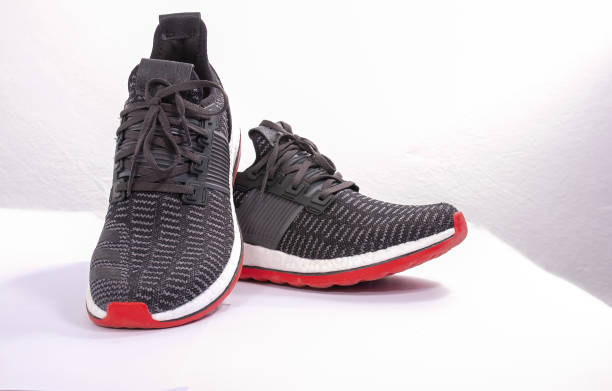
For decades, sneaker construction was dominated by heavy leathers and stiff canvas, materials that prioritized durability and structure over adaptability and airflow. The emergence of engineered mesh uppers did not simply offer an alternative; it fundamentally redefined what a sneaker could be. By focusing on the microscopic interplay of fibers, ventilation, and weight reduction, mesh transformed the athlete’s experience, enabling faster, drier, and more comfortable movement. Yet not all mesh is created equal. Understanding the science behind this woven wonder reveals why it has become the backbone of modern performance footwear and what sneaker enthusiasts should look for when evaluating material quality.
At its core, mesh is a textile structure consisting of interlocking loops, knots, or weaves that create a network of open spaces. These gaps are not accidental imperfections; they are engineered to facilitate air exchange. In a running shoe, for example, the foot can generate significant heat and moisture during a few miles of activity. Traditional leather, while protective, traps that heat and turns perspiration into a breeding ground for blisters and discomfort. Mesh allows warm, humid air to escape while drawing cooler, drier air inward, a phenomenon known as convective heat transfer. The result is a microclimate inside the shoe that remains closer to the ambient temperature, reducing fatigue and the risk of skin irritation. This breathability is quantified by air permeability tests, where manufacturers measure how many cubic feet of air can pass through a square foot of material per minute. Premium performance meshes often achieve rates above one hundred cubic feet per minute, while a typical leather upper might register less than five.
Beyond breathability, mesh revolutionized weight savings. In the era of heavy-duty leather boots, a single sneaker could weigh over a pound. A modern engineered mesh upper, by contrast, can weigh as little as twenty-five grams per shoe. This drastic reduction is achieved through the use of microfilament yarns—polyester, nylon, or sometimes recycled polyethylene terephthalate—that are lighter yet surprisingly strong. The tensile strength of these filaments is carefully calibrated: they must resist tearing under the repeated stresses of lateral cuts, toe-offs, and ground contact, yet remain thin enough to maintain flexibility. Engineers often employ what is called a Jacquard knitting process, where different yarn tensions and stitch patterns are programmed into a single seamless panel. This allows a shoe to have dense, supportive zones around the heel and midfoot while remaining ultra-breathable and stretchy across the forefoot. The result mimics the natural mechanics of the foot, providing structure where needed and freedom where movement occurs.
However, the performance of mesh extends beyond the physical properties of its fibers. Modern treatments and coatings have addressed the historical weaknesses of mesh—namely water resistance and durability. Durable water repellent (DWR) finishes are now commonly applied to mesh uppers, causing moisture to bead and roll off rather than soak into the fabric. This is not a waterproof solution, but it significantly delays saturation during light rain or morning dew. Meanwhile, bonded overlays, often made of thin thermoplastic polyurethane (TPU) films, are welded onto high-wear areas such as the toe cap and lateral sidewall. These overlays add abrasion resistance without closing off ventilation. A well-designed mesh sneaker will thus balance open weave and reinforcement, ensuring that the material does not stretch out of shape over time.
From a collector’s perspective, mesh also offers a distinct aesthetic history. The 1980s saw the first wave of mesh sneakers, including classics like the Nike Air Trainer and the Reebok Ex-O-Fit. These early meshes were relatively coarse and prone to fraying. By the 1990s, brands like Adidas and New Balance experimented with synthetic leather and mesh hybrids, creating the “dual-density” uppers that defined the decade. Today’s Flyknit and Primeknit are direct descendants, blending multiple yarns into a single knit structure that can vary density and elasticity mid-sole. For a sneakerhead testing material quality, the telltale signs of a superior mesh include a tight, consistent weave with no loose threads, a soft yet resilient hand feel, and a slight stretch that returns to shape without sagging.
Ultimately, mesh is not a monolithic material. The difference between a budget nylon mesh that pills after ten wears and a premium engineered knit that lasts hundreds of miles is a matter of fiber quality, weave density, and construction technique. For anyone serious about performance testing, the lesson is clear: a shoe’s upper is not just a cover. It is a dynamic interface between the foot and the ground, and mesh, when executed with precision, provides the most responsive, breathable, and lightweight platform available. As sneaker technology continues to evolve, the humble mesh fiber will remain at the center of innovation, bridging the gap between comfort and athletic excellence.
Articles