The Science of Stability: How Cross-Training Shoes Support Multi-Directional Movement
The modern gym floor is a landscape of contradictions. One moment you are planted firmly beneath a barbell, driving through your heels to complete a heavy squat. The next, you are exploding laterally into a box jump, landing on the balls of your feet before pivoting into a kettlebell swing. This constant shift between vertical force, horizontal acceleration, and rotational torque demands footwear that can do more than just cushion a run or brace a deadlift. The cross-training shoe was engineered precisely for this chaos, and its most critical attribute is stability—a feature that is far more complex than a simple wide base or a flat sole.
At its core, stability in a cross-training shoe is the ability to resist unwanted motion while allowing necessary movement. When you perform a heavy squat, your foot naturally pronates slightly to absorb ground reaction force. But excessive pronation under a three-hundred-pound load can lead to collapsed arches, ankle strain, or knee valgus. Cross-training shoes counteract this through a combination of a low stack height, a firm midsole, and a heel that is often elevated just enough to mimic a weightlifting shoe’s geometry. Unlike running shoes, which prioritize soft foam to attenuate impact over thousands of strides, training shoes use denser materials like compressed EVA or polyurethane that do not compress under heavy loads. This rigidity keeps the foot close to the ground, enhancing proprioception—the body’s awareness of its position in space—so the lifter can feel every micro-adjustment in balance.
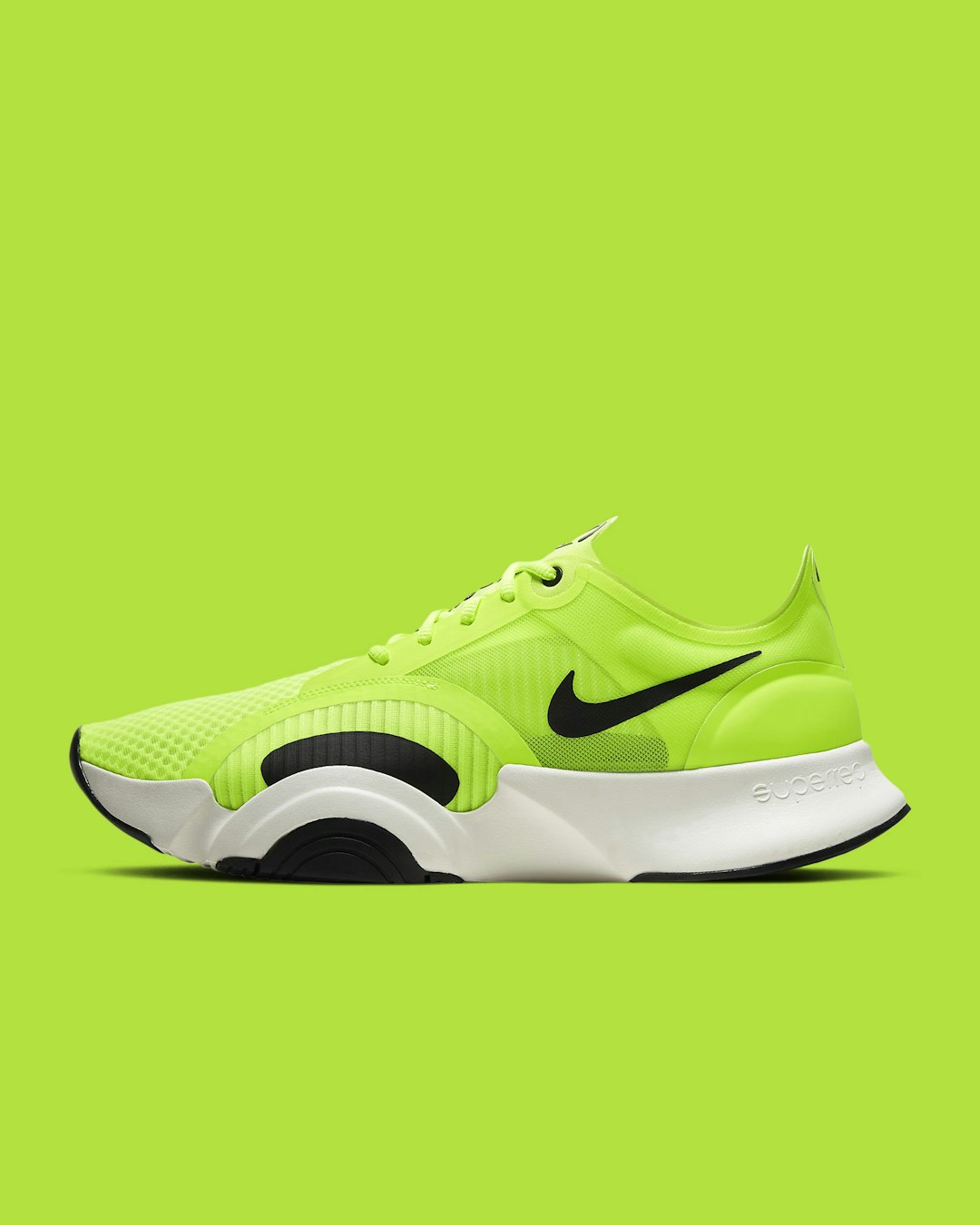
But stability is not only about vertical loading. Lateral movements—side shuffles, agility drills, and defensive slides—place unique stresses on the foot and ankle. A shoe that is too soft in the midfoot will allow the foot to roll over its lateral edge, increasing risk of inversion sprains. To prevent this, cross-training shoes incorporate a wider outsole that flares outward at the forefoot and heel, creating a broader platform. This design, sometimes called a “chassis” or “cage,” is often reinforced with a thermoplastic polyurethane (TPU) shank that runs from the heel to the midfoot. The shank acts as a torsion bar, limiting twisting of the shoe under sudden changes in direction while still allowing the forefoot to flex naturally during push-offs. Some models take this further with a medial post—a firmer density of foam on the arch side—to control overpronation during lateral cuts.
The outsole pattern itself plays a pivotal role in multi-directional stability. Unlike the linear tread of a running shoe, a cross-training outsole features a combination of chevron-shaped lugs, herringbone grooves, and flat rubber sections. Chevrons provide grip during forward and backward motion, while herringbone patterns grip during sideways cuts. The flat sections, often located under the ball of the foot and the heel, ensure solid contact with the floor during lifts. This tread engineering allows the shoe to bite into rubber gym mats or wooden court surfaces without slipping, yet still permit enough slide for proper footwork during box jumps or burpees.
Another often-overlooked element is the heel counter—the rigid cup that wraps around the back of the heel. In high-intensity interval training, you may land from a jump with your heel striking the ground at an angle. A soft or flimsy heel counter will deform, causing the shoe to slip and the foot to slide forward, leading to toe jamming or Achilles strain. Cross-training shoes use a molded external heel counter, often made of stiff TPU or carbon-reinforced nylon, to lock the heel in place. This not only improves stability but also transfers force more efficiently from the ground up through the kinetic chain.
Breathability and flexibility may seem at odds with stability, but modern cross-training shoes manage this balance through strategic mesh overlays. The upper is typically a sandwich of woven textiles and synthetic leathers, with thicker materials around the toe cap and lace eyelets to resist abrasion from rope climbs or lunge straps. The lacing system often extends farther down the tongue than in a running shoe, allowing for a more customized lockdown. Some shoes even incorporate a strap or additional eyelet for a “runner’s lock” that cinches the heel further into the counter.
What all these features add up to is a shoe that does not compromise under the unpredictable demands of functional fitness. The science of stability is not about making the shoe immovable; it is about controlling the range of motion exactly where and when it matters. Whether you are pushing a sled, catching a medicine ball, or stepping onto a plyo box, the cross-training shoe’s architecture ensures that your foot remains a stable, connected platform to the ground. This, in turn, allows your hips, knees, and core to work efficiently without compensating for poor footwear. In a world where workouts are rarely linear, the cross-training shoe’s stability is the unsung hero that keeps your movement safe, your power transfer optimal, and your training session injury-free.
Articles