The Science of Waterproofing and Durability in Hiking Sneakers
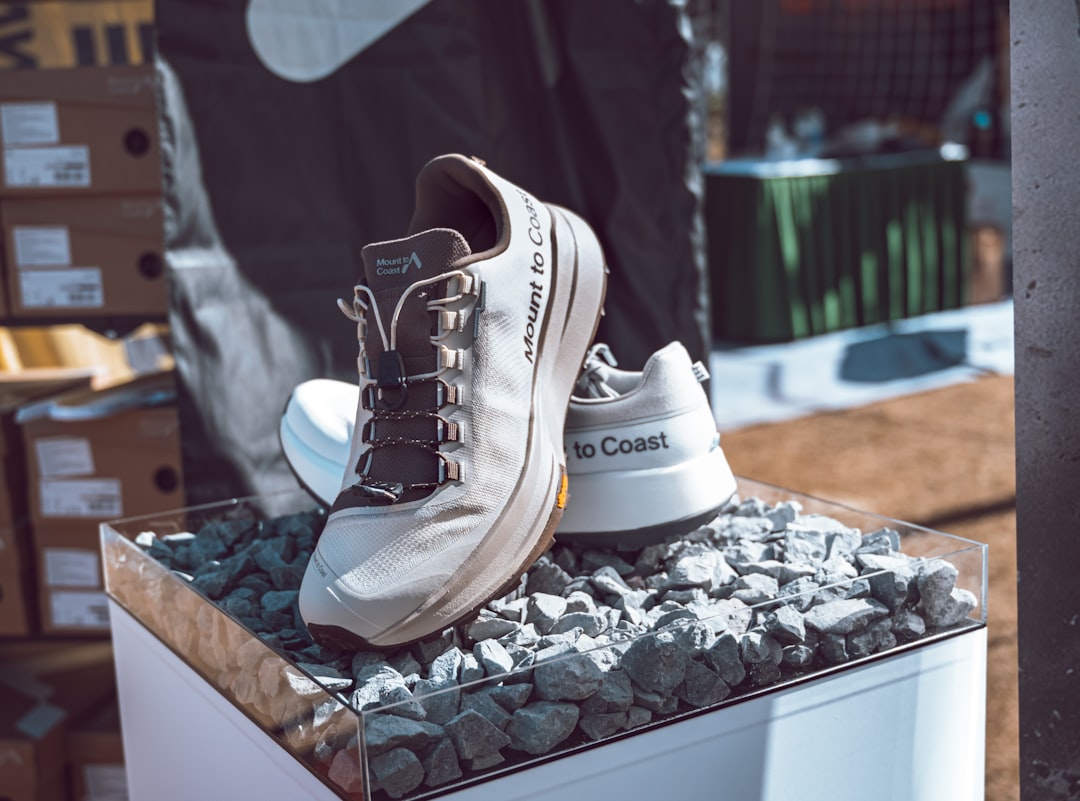
The modern hiking sneaker has evolved into a marvel of material science and biomechanical design, bridging the gap between the rugged protection of traditional boots and the lightweight agility of trail runners. For outdoor enthusiasts who prioritize speed, comfort, and versatility on well-maintained paths or moderate off-trail excursions, these sneakers offer a compelling solution. Their defining characteristics—durability and waterproofing—are not simply marketing claims; they are the result of years of engineering refinement aimed at keeping feet dry, stable, and protected across miles of uneven terrain.
Durability in a hiking sneaker begins with the outsole. The most trusted brands rely on rubber compounds developed specifically for traction and abrasion resistance. Vibram, for example, has become synonymous with high-performance outsoles that use multi-directional lugs to grip loose soil, wet rock, and packed dirt alike. These lugs are spaced sufficiently to shed mud, preventing the buildup that can turn a confident stride into a slipping hazard. Just as important is the outsole’s hardness rating—too soft, and the lugs wear down after a few rocky hikes; too hard, and they lose grip on slick surfaces. Modern hiking sneakers strike a careful balance, often using a dual-density rubber that places a softer compound at the heel and forefoot for shock absorption while keeping a harder layer around the perimeter for edge stability.
Above the outsole, the midsole provides the cushioning and support that separate a comfortable day hike from a punishing one. EVA foam remains the standard, but many hiking sneakers now incorporate rock plates—thin, rigid inserts sandwiched between the outsole and midsole—that protect the foot from sharp stones and roots. These plates do not add significant weight, yet they dramatically improve the sneaker’s ability to withstand repeated impacts over rocky trails. The upper, meanwhile, is a battlefield of competing needs: breathability for warm weather, abrasion resistance for brush and scree, and structure to prevent the foot from sliding inside the shoe. High-end hiking sneakers use a combination of tightly woven nylon mesh and synthetic leather overlays. The mesh is often reinforced with aramid fibers or ballistic-grade polyester, allowing it to resist tears without the weight of full leather. A rubber toe cap is almost mandatory, shielding the foot from stubs against boulders and roots that can quickly end a hike in pain.
Waterproofing is the second pillar of the hiking sneaker’s appeal, and it is achieved primarily through membrane technology. The undisputed leader in this realm is Gore‑Tex, whose expanded polytetrafluoroethylene (ePTFE) membrane contains billions of microscopic pores. These pores are roughly 20,000 times smaller than a water droplet, preventing liquid water from entering, yet 700 times larger than a water vapor molecule, allowing perspiration to escape. This breathability is critical because a waterproof boot that traps moisture from sweat will leave feet just as wet and vulnerable to blisters as one that lets rain in. Competing membranes such as eVent, OutDry, and proprietary systems from Salomon or Merrell use similar principles, often with slight variations in pore geometry or lamination techniques. Some manufacturers have moved toward waterproof coatings applied directly to the outer fabric, but these tend to degrade faster than a laminated membrane, which is permanently bonded to the upper.
The effectiveness of any waterproof system, however, depends on more than the membrane alone. A hiking sneaker’s construction must include sealed seams, a gusseted tongue that prevents debris and water from entering through the lacing area, and a collar that fits snugly around the ankle without chafing. Low-cut versions, which are popular for fast hiking and trail running, sacrifice some ankle protection but gain better freedom of movement and lower weight. Waterproofing also requires proper care. Dirt and oils from the trail can clog the pores of the membrane over time, reducing breathability and, paradoxically, making the shoe feel clammy even if it remains dry against external water. Regular cleaning with a gentle soap and periodic application of a durable water repellent spray help maintain the factory performance.
Compared to traditional leather hiking boots, modern hiking sneakers offer distinct advantages. They are significantly lighter, often weighing half as much per shoe, which reduces fatigue over long distances. They require little to no break-in period because the synthetic materials conform to the foot almost immediately. Their low-profile design allows greater ankle mobility, which improves agility on technical terrain and reduces the risk of ankle strain when scrambling over boulders. That same lack of ankle support, however, means that hikers with weak ankles or those carrying heavy packs may still prefer boots. The sneaker is optimized for day hikes, fastpacking, and trail running on moderate grades—situations where speed and comfort outweigh the security of rigid ankle cuffs.
Ultimately, the fusion of durable construction and reliable waterproofing has made the hiking sneaker a legitimate choice for a wide range of outdoor pursuits. The key is understanding that no single shoe excels everywhere; the best hiking sneaker is one that matches the specific demands of the trail, the weight of the pack, and the anatomy of the wearer’s foot. When chosen wisely, it becomes a tool that lets the hiker focus on the landscape rather than on sore feet or wet socks. The science behind the materials may be invisible to the wearer, but the result is tangible: a stride that feels effortless, a foot that stays dry, and a sneaker that endures season after season.
Articles