The Science of White Sneaker Yellowing: Causes, Prevention, and Reversal
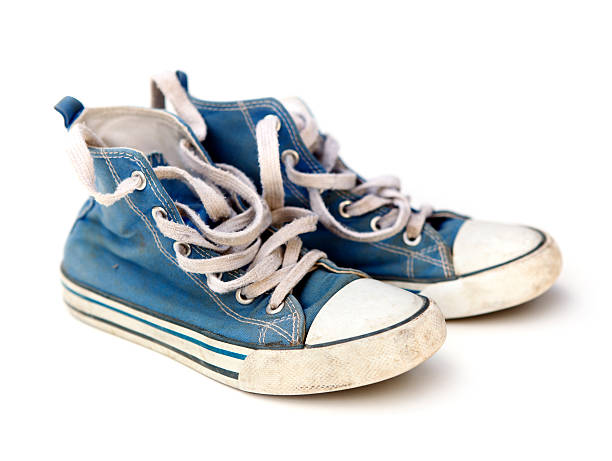
Every sneaker enthusiast knows the quiet heartbreak of pulling a once-brilliant pair of white sneakers from the box only to discover a dull, yellowish tint creeping across the rubber midsole or the canvas upper. This phenomenon, often dismissed as inevitable wear, is actually a complex chemical and environmental process that can be understood, slowed, and in many cases reversed. White sneaker yellowing is not merely a cosmetic nuisance but a reaction between materials, light, moisture, and everyday contaminants. Recognizing the underlying science empowers collectors and everyday wearers to keep their pristine kicks looking fresh far longer than conventional wisdom suggests.
At its core, yellowing stems from oxidation and degradation of polymers. Most white sneakers rely on materials such as ethylene-vinyl acetate, polyurethane, rubber compounds, and synthetic fabrics. When these materials are exposed to ultraviolet light from the sun, the energy breaks molecular bonds and triggers free radical chain reactions. This process, known as photo-oxidation, causes the polymer chains to rearrange into chromophores—molecular structures that absorb blue light and reflect yellow. The result is a warm tint that deepens with continued exposure. Interestingly, older sneakers made with natural rubber or certain adhesives are especially prone to yellowing because they contain unsaturated bonds that oxidize more readily than modern synthetic alternatives.
Beyond UV light, moisture and heat accelerate the process. Humidity facilitates hydrolysis, where water molecules infiltrate polymer matrices and break ester linkages, forming yellow byproducts. Similarly, heat from storage in attics, car trunks, or near radiators speeds molecular motion, increasing the rate of oxidation. This is why sneakers stored in cool, dark, dry environments retain their whiteness longer. Even the air we breathe plays a role: nitrogen oxides and ozone from pollution can react with polymer stabilizers, depleting them and leaving the material vulnerable to discoloration. A pair of white sneakers worn in a city with heavy smog will yellow faster than one worn in a rural area, simply because of airborne chemical attacks.
Prevention, therefore, is a multi-layered strategy. The first line of defense is limiting UV exposure. When not in use, white sneakers should be kept in opaque boxes or in a closet away from windows. For display collectors, UV-protective glass in display cases can block ninety-nine percent of damaging rays. Application of a quality sneaker protectant spray that contains UV absorbers adds an invisible shield. Many such sprays also create a hydrophobic barrier, repelling water and reducing moisture absorption. Additionally, rotating sneakers so that no single pair is worn daily allows the materials to recover and off-gas trapped moisture. Even simple habits like wiping down midsoles after each wear with a microfiber cloth removes sweat salts and dirt particles that can catalyze yellowing over time.
When yellowing has already occurred, reversal is possible but requires careful technique. The most celebrated home method is the “sneaker sun bath” or “ice bath” using hydrogen peroxide and UV light. For rubber midsoles, applying a paste of baking soda and hydrogen peroxide, then wrapping the sneaker in plastic wrap and placing it in direct sunlight for several hours, can bleach the chromophores. The hydrogen peroxide acts as an oxidizing agent that targets discolored molecules, while UV light activates the process. However, this method must be used with caution on colored fabrics, as peroxide can strip dyes. For canvas or knit uppers, a gentler approach involves a mixture of oxygen bleach (sodium percarbonate) and warm water, followed by thorough rinsing and air drying away from direct sun. Commercial sneaker cleaners specifically formulated for yellowing often contain optical brighteners that deposit a blue-white dye to counteract yellow tones, offering a quick cosmetic fix.
It is crucial to understand that some yellowing is irreversible—particularly if the polymer itself has degraded completely, as often happens with vintage sneakers where the sole material has become brittle and crumbly. In such cases, restoration involves replacing the entire sole, a job best left to professionals. For everyday wear, the balance between prevention and acceptance is key. No white sneaker will remain perfect forever, but with knowledge of the chemical adversaries at work, enthusiasts can stretch that pristine period from weeks to years. The battle against yellowing is not lost from the start; it is a quiet, ongoing negotiation between light, air, and the synthetic compounds underfoot.
Ultimately, white sneaker maintenance is a discipline rooted in understanding material science as much as in cleaning routines. By respecting how polymers age, collectors can make informed decisions about storage, wear, and restoration. The next time you notice a faint amber glow on your favorite pair, you will know it is not a failure of care but a natural consequence of molecular time. And you will have the tools to push back against it.
Articles