The Six-Month Test: Why Long-Term Durability Reports Are the Ultimate Sneaker Review
Hype is loud. Initial impressions are immediate. But the true measure of a sneaker’s worth is written in the wear, the grind, and the relentless passage of time. At Sneakerholic, we move beyond the unboxing to deliver the review that truly matters: the six-month durability report. This is where marketing claims meet the unforgiving reality of daily life, and where a sneaker’s character is fully revealed. This is performance testing stripped of pretense, focused solely on how a shoe survives its intended purpose.
The standard review cycle is flawed. It captures a shoe in its infancy, pristine and unproven. A few days of light wear cannot predict how a midsole will compact after 180 days of commuting, how an outsole compound will resist abrasion on concrete, or how a premium upper will handle creasing and stress. Our six-month wear testing protocol exists to close this gap. We put sneakers into real-world rotation, subjecting them to the varied demands of our team’s lives—from city streets and gym floors to casual wear and everything in between. The goal is simple: to document the aging process with clinical objectivity.
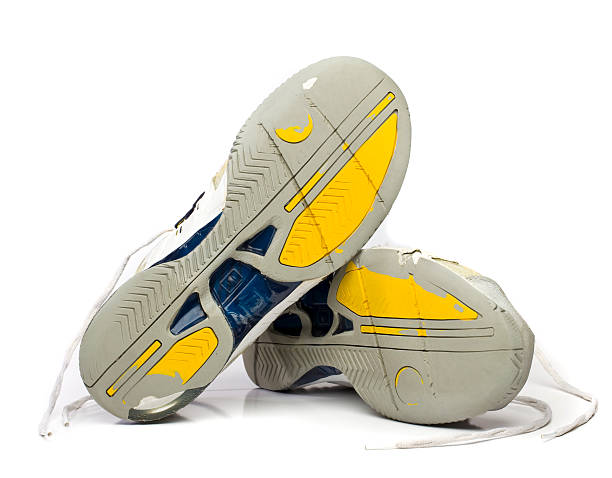
The findings from these extended tests are consistently more revealing than any spec sheet. We assess key failure points with a critical eye. Outsole wear patterns tell a story of gait and traction loss; a once-aggressive herringbone may be smoothed bald in high-impact zones, directly informing durability expectations for runners or court shoes. Midsole compression is measured not in lab simulations but in felt cushioning degradation. Does that plush foam bottom out, or does it retain a degree of its rebound? The answer only appears after months of consistent weight bearing.
Upper materials are scrutinized for their aging grace or rapid decline. Does that synthetic nubuck develop permanent, unsightly creases? Does a knit fabric lose its structural integrity or become prone to tearing at the flex points? Do glued overlays begin to peel, or do stitched panels hold firm? Stitching is examined for unravelling, and the integrity of critical bonds—where the upper meets the midsole—is paramount. A separation at six months is a terminal diagnosis.
For performance models, this testing is non-negotiable. A basketball shoe’s lateral containment or a running shoe’s energy return cannot be judged fairly in a single session. These properties evolve. Our reports detail if a shoe’s stability worsens as materials break in too much, or if the cushioning settles into a more comfortable, still-protective state. For lifestyle models, we focus on aesthetic durability. Does the color fade unevenly? Does the material clean easily, or is it permanently stained? Is the silhouette holding its shape, or does it become sloppy?
This long-form approach cuts through the noise. It validates quality construction and exposes cost-cutting measures that short-term reviews miss. A sneaker that looks and performs nearly new after half a year is a testament to thoughtful design and robust manufacturing. One that is disintegrating, despite gentle use, is a clear warning to our community. At Sneakerholic, we believe your investment deserves this level of scrutiny. Passion is not just about the thrill of the new; it is about informed appreciation, understanding what you own, and knowing how it endures. The six-month report is not just a review; it is the final, definitive verdict.
Articles