The Sole of the Matter: Breaking Down Leather, Suede, Mesh, and Synthetics
In the world of sneakers, material choice is never an accident. It is a calculated decision that dictates performance, dictates durability, and defines character. For the true enthusiast, understanding these materials—leather, suede, mesh, and synthetics—is fundamental. This is not about marketing fluff; it is about what your sneakers are made of and how that translates to your experience on foot. Let’s cut through the hype and examine the reality of these core components.
Leather is the traditional heavyweight. Full-grain or premium leathers offer structure, support, and a break-in period that yields a personalized fit. They provide excellent durability and weather resistance, forming a protective shell for the foot. However, the trade-offs are significant. Leather is heavy, less breathable, and can be stiff, which is why performance models often use it in strategic panels rather than as a full upper. Its value in collector culture is undeniable, lending a classic, premium feel to retro models and lifestyle icons. But in high-intensity scenarios, its lack of ventilation can be a literal sweat-inducing drawback.
Suede is leather’s more temperamental cousin. Created by buffing the underside of a hide, suede delivers unmatched texture and a rich, nuanced aesthetic that changes with wear and light. It is a material of luxury and style, central to many of the most coveted collaborations and retro releases. Yet, its performance is almost purely lifestyle-focused. Suede is notoriously high-maintenance, vulnerable to water, stains, and scuffs. It offers little structure and minimal breathability. Choosing suede is a statement of passion, an acceptance that you are prioritizing visual appeal and tactile sensation over practical, all-weather utility. It is a material for connoisseurs, not for marathon training.
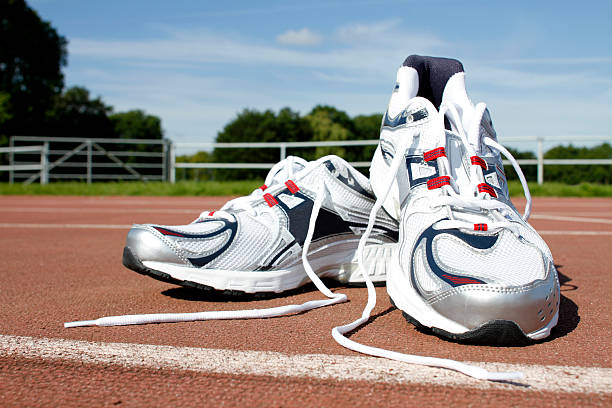
Mesh represents the performance-driven antithesis to leather. Engineered for function, its woven construction prioritizes one thing above all: breathability. Modern technical meshes create a dynamic, lightweight, and ventilated environment that actively manages moisture and temperature. This is the go-to for running shoes, trainers, and any sneaker designed for serious athletic output. The compromise is in structure and durability. While advanced synthetics have strengthened modern mesh, it generally provides less support and protection than leather and can be more susceptible to tearing. Its aesthetic is technical and modern, signaling a shoe built for movement.
This brings us to the vast category of synthetics, which includes everything from basic PU to advanced technical textiles like Flyknit, Primeknit, and Engineered Mesh. These are not mere “cheap alternatives” anymore. High-end synthetics allow for precision engineering that natural materials cannot match. They enable seamless, sock-like constructions, targeted zones of stretch and support, and radical reductions in weight. Their performance profile is customizable, their consistency is guaranteed, and they are often easier to clean and maintain. The criticism of synthetics often hinges on perceived lack of premium feel or environmental concerns, but their dominance in cutting-edge performance design is absolute. They are the present and future of athletic footwear innovation.
The final analysis is this: there is no single “best” material. Each serves a distinct purpose. Leather offers durable, structured heritage. Suede provides textured, premium aesthetics. Mesh delivers uncompromising breathability for performance. Modern synthetics enable revolutionary fits and featherlight construction. Your choice should be a direct reflection of your intent. Are you preserving a piece of history, chasing a personal best, or making a style statement? The material tells the story before you take a single step. At Sneakerholic, we strip back the layers so you can invest in the technology, the heritage, and the quality that matches your passion. Know your materials, and you know your sneakers.
Articles