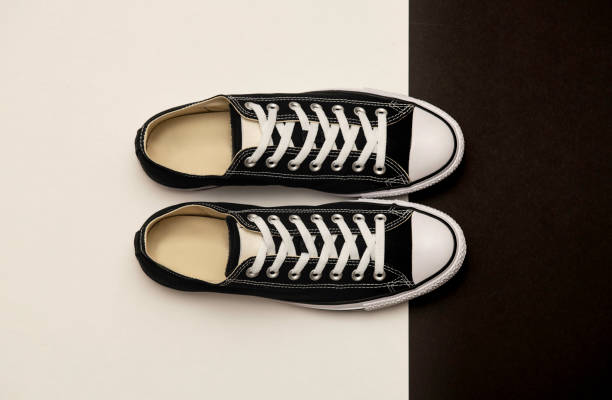
The Thrill of the Swap: Why Trading Sneakers Forges Deeper Connections Than Buying
In the vast ecosystem of sneaker collecting, the transaction of cash for a box-fresh pair has long dominated the landscape. Yet beneath the surface of retail drops and resale platforms lies a quieter, more intimate practice that has sustained the culture for decades: the direct exchange of sneakers between collectors. Trading, or swapping pairs, is not merely a transaction—it is a ritual of trust, storytelling, and mutual discovery that often yields rewards no dollar amount can capture. While buying a sneaker is a moment of acquisition, trading is an act of negotiation that strengthens the very fabric of the collector community.
At its core, swapping relies on a different kind of value system. When two collectors agree to trade, they are not measuring worth solely by market price or resale index. They weigh condition, rarity, personal history, and emotional attachment. A pair of Jordan 1s worn at a legendary concert might carry more weight for one person than a deadstock pair of Yeezys. The trade becomes a barter economy where stories are currency. This dynamic forces collectors to articulate what they truly value, shifting the focus from hype to individual narrative. In doing so, trading cultivates a deeper appreciation for the sneaker’s journey rather than its price tag.
The process of finding a trade partner often begins in the most organic of spaces: local sneaker meetups, Facebook groups, Reddit forums, or Instagram communities dedicated solely to swaps. Unlike the anonymity of a resale site, these environments demand profiles, reputation, and engagement. Before a trade is even proposed, trust must be established. Collectors share photos of soles, insoles, and box labels; they discuss wear patterns and original laces. This vetting process, while time-consuming, builds a layer of accountability rarely found in cash transactions. A bad trade can damage a reputation for years, so the stakes are high. Those who participate learn to read people as carefully as they read condition charts, developing a sixth sense for authenticity and honesty.
One of the most compelling aspects of sneaker swapping is the element of serendipity. Unlike buying, where you usually know exactly what you will receive, trading often involves discovery. You might bring a pair you have grown tired of, only to find someone offering a grail you had stopped hunting for years ago. The negotiation becomes a dance of wants and needs, with both parties leaving not only with new sneakers but with a sense of having solved a puzzle together. This shared satisfaction creates a bond that persists beyond the swap. Many collectors recount stories of meeting lifelong friends over a trade of Air Maxes or a size swap of Dunks. The sneaker becomes a conduit for human connection.
Furthermore, trading serves as a vital tool for collectors who cannot afford the ever-climbing resale prices. The barrier to entry in sneaker culture has risen sharply, with limited releases often requiring bot technology or thousands of dollars. Trading democratizes access. A collector with a modest rotation but deep knowledge can acquire high-value pairs by offering something another person desperately wants. This levels the playing field, rewarding curation over capital. The skill of identifying undervalued pairs and predicting desire in others becomes as important as having deep pockets. In this way, trading communities foster a meritocracy of taste and timing.
Yet trading is not without its pitfalls. Scams are a persistent threat, from counterfeit pairs to bait-and-switch tactics. The community has responded with robust systems: verified middlemen, timestamped photos, and even trade-specific apps that hold both pairs in escrow. These safeguards, while imperfect, have evolved through collective experience. Each successful trade reinforces the unwritten code: honor your word, communicate clearly, and ship on time. This code is the glue that holds swapping networks together, making them resilient against bad actors.
Beyond individual transactions, trading contributes to the larger culture by circulating sneakers that might otherwise sit unworn in a collection. When a pair swaps hands, it enters a new context—worn to different events, photographed in new settings, admired by fresh eyes. The sneaker’s life story grows richer. This circulation contrasts sharply with the static world of “hypebeast” hoarding, where sneakers remain in glass cases. Traders often wear what they trade, valuing use over preservation. Their ethos aligns with the original purpose of sneakers: to be worn, shared, and passed along.
Ultimately, the act of swapping sneakers is a microcosm of what makes collector culture vibrant. It requires vulnerability, negotiation, and a willingness to let go of one thing to gain another. In a retail environment that emphasizes constant consumption, trading offers an alternative model: one of exchange, reciprocity, and community interdependence. The sneakers themselves are merely the medium; the real value is the relationship built across a table, through a DM, or during a rainy meetup. A buyer leaves a store with a box. A trader leaves with a story.
Articles