The Ultimate Guide to Cleaning Suede Sneakers: Step-by-Step Methods for Pristine Kicks
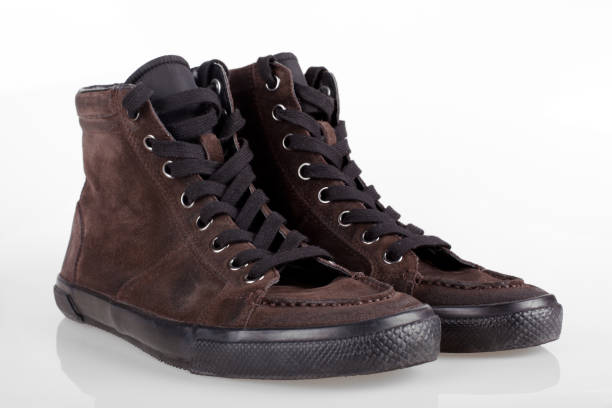
Suede sneakers occupy a special place in any collector’s rotation. Their velvety texture, rich color depth, and retro aesthetic make them instantly iconic, but that same delicate nap is also their greatest vulnerability. A single scuff, a splash of rain, or an unnoticed oil drip can transform a pristine pair into a disheartening mess. The good news is that suede is not unmanageable. With the right tools and a methodical approach, you can restore your sneakers to near‑factory condition without causing irreversible damage. This guide walks you through every stage of cleaning suede sneakers, from pre‑treatment to final brushing, ensuring you never have to retire a favorite pair prematurely.
Before you begin, understand that suede is leather with a buffed, fibrous surface. It is porous and absorbs liquids and dirt quickly, so water should be used sparingly. The cardinal rule is to never submerge suede in water or run it through a washing machine. Instead, rely on dry cleaning techniques and targeted spot treatment. Your essential arsenal includes a suede brush with stiff brass or rubber bristles, a suede eraser or crepe block, a white vinegar solution for stubborn stains, and a protective spray for aftercare. A soft microfiber cloth and a clean, dry toothbrush also come in handy for smaller details.
Start with a thorough dry brushing. Using your suede brush, gently stroke the entire surface of the sneaker in one direction. This lifts the nap and dislodges loose dirt, dust, and surface grime that have settled into the fibers. Pay special attention to crevices around the toe cap, lace eyelets, and any stitching. Do not scrub aggressively; let the bristles do the work. If you notice caked‑on mud or dried debris, use the edge of a spoon or a dull knife to carefully scrape it off before brushing. Once you have loosened the majority of the dirt, use a soft cloth to wipe away the residue.
For scuff marks and shallow stains, the suede eraser shines. Rub the eraser gently back and forth over the mark until it fades or disappears. This works best on abrasions from sidewalks or light scuffs caused by everyday wear. For deeper marks or persistent dirt, switch to the crepe block, which is a softer rubber block that can be rubbed in circular motions to lift embedded particles. After using the eraser or block, brush the area again to restore the nap’s uniform texture.
Water and salt stains present a different challenge. When suede gets wet, the fibers can stiffen and discolor, often leaving a dark ring after drying. If your sneakers are damp, stuff them loosely with paper towels or a shoe tree to maintain shape and let them air dry completely away from direct heat or sunlight. Once dry, gently brush the affected area. If a light halo remains, lightly sand the surface with a suede brush or very fine sandpaper to revive the nap. For salt stains typical of winter sidewalks, mix one part white vinegar with two parts water, dip a clean cloth into the solution, and blot the stain—never rub. The vinegar neutralizes the salt and helps lift it from the fibers. After blotting, use a dry cloth to absorb excess moisture, then let the sneaker air dry. Repeat the process if necessary, and finish with a light brushing.
Grease and oil spots are among the most feared suede adversaries. Act fast by blotting the stain immediately with a paper towel to absorb as much oil as possible. Do not rub, as that spreads the oil deeper. Cover the stain with a generous layer of cornstarch or talcum powder and let it sit for several hours—overnight is ideal. The powder will draw the oil out of the suede. After the waiting period, brush away the powder thoroughly. If a faint mark remains, you can carefully apply a small amount of rubbing alcohol to a cotton swab and dab the spot, then blot with a clean cloth. Test this on an inconspicuous area first, as alcohol can alter the dye.
After all stains are addressed, it is time for the final revival. Lightly dampen a clean microfiber cloth with water (barely wet, not soaking) and wipe the entire sneaker to even out the nap and remove any remaining dust. Then use your suede brush again, this time in a circular motion, to fluff the fibers in all directions. This step unifies the texture and restores that sought‑after softness. Allow the sneakers to dry completely before wearing.
Prevention is the final and most crucial step. Once your sneakers are clean and dry, apply a high‑quality suede protector spray evenly from about six inches away. Hold the can upright and spray in a sweeping motion to avoid saturating any one spot. Let the spray dry for a few hours, then brush lightly to break any stiffness. This invisible barrier repels water, oil, and dirt, making future cleanings far easier and prolonging the life of the suede. Reapply the protector every few weeks or after each deep clean.
Caring for suede sneakers requires patience, but the reward is a pair that retains its original beauty for years. Whether you are preserving a limited collaboration or simply keeping your everyday kicks fresh, the step‑by‑step approach of dry brushing, spot treatment, vinegar or powder absorbing, and final brushing ensures that every material nuance is respected. With the right habits, suede need not be intimidating—it can be a durable, stunning addition to any collection.
Articles