
The Underrated Versatility of Canvas Sneakers: More Than Just a Summer Staple
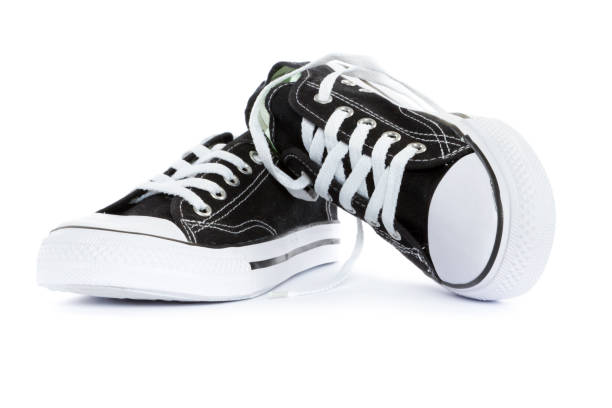
Canvas sneakers have long been relegated to the role of a casual, warm-weather afterthought in many wardrobes. They are often seen as the affordable, lightweight alternative to leather or suede, a shoe reserved for beach trips, quick errands, or lazy weekends. Yet this perception overlooks a far richer truth: canvas sneakers are among the most versatile, historically significant, and culturally resilient footwear designs ever created. Their breathable construction, simple aesthetic, and surprising durability make them suitable for contexts far beyond the summer months, deserving of a prominent place in any sneaker collection.
To understand the versatility of canvas sneakers, one must first appreciate their origins. The modern canvas sneaker emerged in the late nineteenth century as a solution for athletes seeking a lighter, more comfortable shoe than the rigid leather boots of the era. The Converse All Star, introduced in 1917, became the archetype, initially designed for basketball players who prized its lightweight feel and rubber sole. That same shoe would later become a symbol of rebellion, adopted by rock stars, skaters, and counterculture movements. The canvas upper was not an accident of budget manufacturing—it was a deliberate choice that offered unmatched flexibility and breathability. Unlike leather, canvas allowed air to circulate freely around the foot, reducing sweat and heat buildup, making it ideal for physical activity in warm conditions. That same property, however, also made it a year-round option when layered correctly with socks or worn in mild climates.
The breathability of canvas is often cited as its primary advantage in warm weather, but its adaptability extends far beyond temperature regulation. Canvas sneakers possess a unique chameleon-like quality: they can be dressed down with shorts and a tee or elevated with chinos and a blazer. The reason lies in their minimalist profile. Most canvas sneakers lack bulky logos, exaggerated soles, or complex paneling, allowing them to blend into a wide range of outfits. A classic white canvas low-top, for instance, functions almost as a blank canvas itself—it complements denim, linen, trousers, and even certain tailored suits. This aesthetic neutrality, combined with their low cost, makes them an entry point for sneaker enthusiasts who may not yet be ready to invest in higher-end leather models. They are the gateway shoe, teaching the fundamental joy of sneaker culture without the intimidation of price or rarity.
Beyond fashion, canvas sneakers have proven their worth in durability and sustainability. While many assume that canvas wears out quickly, a well-made pair with a vulcanized rubber sole can last for years with proper care. The fabric withstands repeated washing, unlike suede or nubuck, which require specialized cleaning. In an era increasingly focused on environmental consciousness, canvas sneakers offer a compelling advantage: they are typically made from natural fibers, require fewer chemical treatments in production, and are easier to recycle than synthetic or leather alternatives. A single pair of canvas sneakers, properly maintained, can outlast several pairs of cheaper plastic-based shoes, reducing overall consumption.
The cultural footprint of canvas sneakers further underscores their importance. From the basketball courts of the 1920s to the punk rock stages of the 1970s and the skate parks of today, canvas shoes have been present at pivotal movements in youth culture. They are the footwear of iconoclasts, artists, and athletes who valued function over flash. The Vans Old Skool, the Converse Chuck Taylor, the Keds Champion—these are not just shoes but artifacts of social history. They represent a democratization of style, proving that great design does not require expensive materials. In sneaker collecting circles, rare colorways and vintage releases of canvas models command significant prices, demonstrating that collectors recognize their enduring value.
Of course, canvas sneakers do have limitations. They lack the water resistance of leather and can stain more easily. They offer less structural support for high-impact activities. But these perceived weaknesses can be mitigated with simple practices: applying a fabric protectant spray, using insoles for arch support, and rotating between multiple pairs to prolong their life. The key is to embrace canvas sneakers not as disposable summer shoes but as intentional wardrobe staples that reward thoughtful use.
For the sneaker enthusiast, canvas sneakers offer a chance to explore history, experiment with styling, and practice sustainable habits all within a single affordable silhouette. They are the unsung heroes of the sneaker world—often overlooked in favor of flashier designs yet endlessly reliable and adaptable. Whether paired with distressed jeans for a concert or with a tailored suit for a fashion-forward event, canvas sneakers prove that true versatility does not shout; it simply fits. The next time you reach for a pair of summer shoes, consider the canvas sneaker not as a seasonal afterthought but as a timeless foundation for personal expression year-round.
Articles