The Unexpected Harmony of Technical Fabrics and Vintage Silhouettes
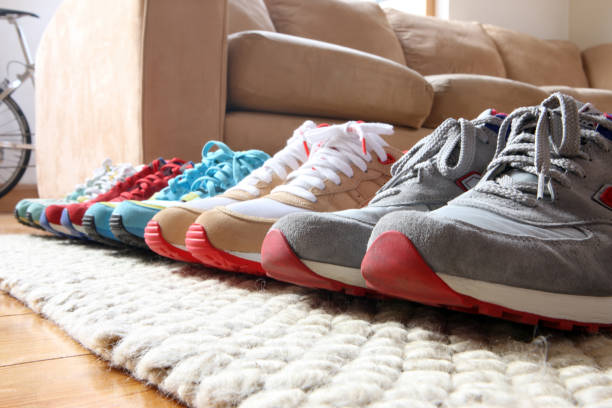
The resurgence of retro running sneakers has fundamentally altered the landscape of modern menswear and womenswear alike, but one of the most compelling developments within this trend is the unexpected marriage of vintage shoe profiles with contemporary technical fabrics in the rest of the outfit. While many enthusiasts focus solely on the sneaker itself—hunting for original colorways or meticulously reissued pairs—a deeper style conversation is emerging around how the material composition of the clothing interacts with the often synthetic, mesh-heavy, and foam-laden construction of classic runners from the 1970s through the 1990s. This is not simply a matter of matching colors; it is a dialogue between eras, between the pre-digital design ethos of a shoe like the New Balance 990v1 and the ultralight, breathable, water-repellent fabrics of modern outdoor apparel.
The appeal of this combination lies in its inherent tension. A vintage running shoe, with its paneled upper, exposed stitching, and often bulky sole unit, carries a tactile nostalgia. It speaks of a time when function dictated form, and materials like suede, nylon, and pigskin leather were chosen for durability and performance rather than for their environmental credentials or technical wizardry. When you pair such a shoe with a contemporary softshell jacket made from a stretch-woven fabric that repels rain and breathes like a membrane, you create a visual and sensory juxtaposition. The shoe feels grounded, almost artisanal in its complexity, while the jacket feels futuristic, streamlined, and purpose-built for movement. This contrast prevents the vintage silhouette from looking like a costume and the technical garment from feeling sterile.
One particularly effective way to execute this aesthetic is through the choice of trousers. The modern technical trouser, often cut in a tapered or slightly relaxed silhouette from a nylon-elastane blend, offers a seamless transition between the upper body and the sneaker. Unlike rigid denim or stiff chinos, these pants drape softly over the shoe’s heel counter and collar, allowing the retro runner to assert its shape without being swallowed by heavy fabric. The slight sheen of a polyester weave, for example, echoes the reflective elements found on vintage running stripes or heel tabs, creating an accidental cohesion. Moreover, the technical trouser’s typical features—zip pockets, articulated knees, adjustable cuffs—introduce a functionalist vocabulary that complements the original performance intentions of the shoe. You are not just wearing a retro runner for style; you are participating in a lineage of movement and practicality.
Layering is another critical component. A classic retro runner often looks most at home when paired with a mid-layer that bridges the gap between fashion and function. Consider a lightweight fleece pullover from the 1990s revival or a contemporary take on the windbreaker. The matte texture of microfleece or the crinkled surface of a nylon shell creates a subtle surface interest that mirrors the multi-textured upper of a Nike Air Tailwind or a Diadora N9000. When these layers are rendered in muted earth tones—olive, rust, taupe, off-white—the overall effect is patinated and lived-in, as if the outfit has been curated over decades rather than assembled in a single morning. The sneaker becomes the anchor, the piece that declares the outfit’s historical awareness, while the technical layers announce a comfort with modernity.
Color theory also plays a pivotal role in this harmony. Vintage running shoes often feature bold color blocking: a white base with forest green and orange accents, or a grey mesh with hits of royal blue and red. To let these colors sing, the technical fabric layers should be kept restrained. A black Gore-Tex shell jacket, a charcoal merino base layer, and a pair of olive nylon trousers provide a neutral stage upon which the sneaker’s palette can perform. The technical fabrics, by virtue of their monotone and matte finishes, do not compete; they recede. The result is an outfit that reads as both studied and effortless, where the retro runner is the undisputed protagonist.
Yet there is also room for bolder integration. A retro runner with a predominantly neon accent, such as the Saucony Shadow 6000 in its Safety Yellow colorway, can be matched with a modern technical vest or shell in a corresponding fluorescent shade. The key is to use the bright color as a small, deliberate pop rather than a dominant field. A yellow zip pull on a jacket, a reflective stripe on a bag, or the inner lining of a technical bomber can echo the sneaker without overwhelming it. This kind of orchestrated echo is what separates a thoughtful outfit from a mere collection of garments.
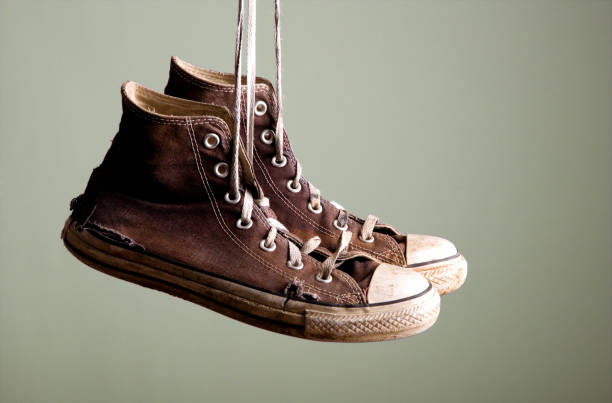
The footwear itself must also be considered in terms of its own material wear. Vintage runners, especially those not subjected to modern reengineering, often develop a characterful patina over time—creased suede, oxidized mesh, softened foam. This natural aging process becomes a storytelling element when paired with pristine technical fabrics. A jacket that repels water and resists pilling highlights the sneaker’s vulnerability and history. The shoe is allowed to be imperfect while the rest of the outfit maintains a crisp, high-performance edge. This is not a clash but a conversation: the shoe has lived, the jacket is ready for anything.
Ultimately, the harmony of technical fabrics and vintage silhouettes is about creating a cohesive visual language that respects both the past and the future. The retro running shoe is not a relic to be preserved in a glass box; it is a dynamic component of a living wardrobe. When surrounded by fabrics that prioritize movement, weather resistance, and minimalism, the shoe’s original purpose—to move, to run, to perform—is reasserted. The styling becomes not an exercise in nostalgia but a thoughtful reconstruction of function. In a world saturated with disposable fashion, this combination offers something rare: a outfit that feels both intentional and alive, where every material choice tells a story of where we have been and where we are going.
Articles