The Unexpected Harmony of Vintage Running Sneakers and Minimalist Fashion
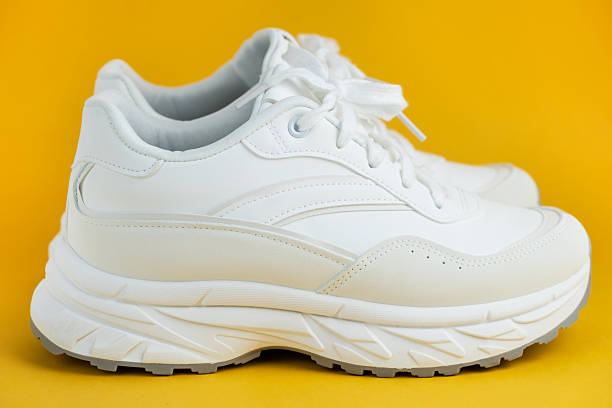
In the ever-shifting landscape of sneaker culture, few pairings feel as counterintuitive yet effortlessly correct as the marriage of bulbous, heavily cushioned retro running shoes with the sharp, uncluttered lines of minimalist fashion. At first glance, the two worlds seem to inhabit opposite ends of the aesthetic spectrum. One is rooted in the functional excess of the 1980s and 1990s—chunky midsoles, mesh panels, and bold color blocking. The other is a philosophy of restraint, favoring monochrome palettes, clean silhouettes, and the subtle luxury of fabric and cut. Yet, when these elements collide, the result is a style that feels both nostalgic and forward-looking, comfortable and deliberate.
The appeal of this combination lies in the tension it creates. Minimalist fashion, often associated with designers like Jil Sander, Helmut Lang, or the quiet refinement of Japanese labels, thrives on purity. A well-cut wool trouser, a crisp white shirt, a longline overcoat—these pieces speak in whispers. They demand attention through absence, not excess. By contrast, a vintage running shoe like the New Balance 990v3, the ASICS Gel-Lyte III, or the Nike Air Max 1 is a statement of volume. Its layered construction, visible cushioning, and often retro-futuristic detailing bring a burst of texture and history to an otherwise subdued outfit. The shoe does not scream; it grounds the entire look in a tangible, lived-in reality.
What makes this pairing particularly compelling is how it reframes the perception of both elements. The minimalist outfit, which might otherwise read as severe or inaccessible, becomes approachable when grounded by a familiar sneaker silhouette. The running shoe, which could easily tip into athletic or sloppy territory, gains sophistication when surrounded by tailored, quiet garments. It is a dialogue between high and low, between the art gallery and the track field, that elevates each part. For the wearer, it signals a nuanced understanding of fashion—a willingness to break rules without breaking the visual harmony.
Key to mastering this look is the choice of sneaker. Not every retro runner fits the bill. The most successful models tend to be those with a restrained color palette—or at least a dominant neutral tone. A pair of cream and grey New Balance 993s, for instance, can blend seamlessly with beige linen trousers and a black turtleneck. The ASICS Kayano 5 in its understated “Cream/Silver” iteration works beautifully against the starkness of a raw denim jean and a white tee. The sneaker becomes a neutral itself, albeit one with texture and heritage. For those who prefer bolder accents, a single pop of color—such as the iconic “Infrared” on an Air Max 90—can serve as the sole visual excitement in an otherwise muted ensemble, drawing the eye without overwhelming.
Beyond color, the silhouette matters. Minimalist fashion tends to favor straight, wide, or slightly cropped pant legs that allow the sneaker to breathe. Tapered trousers that break just above the ankle, or wide-leg pants that skim the shoe’s upper, create a clean line that doesn’t compete with the shoe’s bulk. The goal is to let the sneaker exist as a deliberate architectural element, not an afterthought. Similarly, outerwear should lean toward the sleek—long trenches, leather jackets, or oversized blazers—to counterbalance the shoe’s chunky profile. The overall impression should be that of a person who knows exactly what they are doing, even if the combination seems effortlessly thrown together.
This trend has found particular resonance in the world of contemporary menswear, where the lines between streetwear and tailoring have blurred. Brands like Online Ceramics, A Kind of Guise, and older Margiela collections have all explored this terrain. But it extends beyond the runway. On city streets, from Tokyo to Paris to New York, one sees this look adopted by creatives, architects, and designers—people who understand that clothing can be both functional and expressive. The retro running shoe, once a relic of gym floors and jogging paths, has been reborn as a symbol of refined, everyday rebellion.
Ultimately, the harmony between vintage running sneakers and minimalist fashion is not about nostalgia for its own sake. It is about using the past to complicate the present. The shoe brings history, warmth, and a touch of irreverence to the cool detachment of minimalism. The minimalist outfit, in turn, provides a stage for the sneaker to perform without shouting. In a world where fashion often oscillates between maximalism and austerity, this pairing offers a middle ground—a quiet revolution in texture and tone, where comfort and elegance finally shake hands.
Articles