The Unexpected Rise of the Dad Shoe: How New Balance Fueled a Fashion Revolution
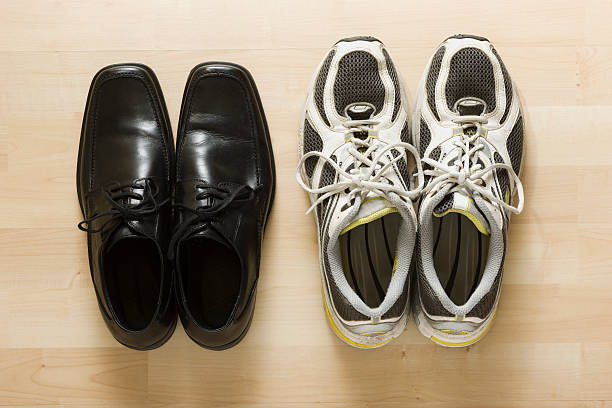
For decades, the aesthetic of the “dad shoe” was a fashion faux pas, synonymous with clunky silhouettes, technical mesh, and grey palettes favored by middle-aged men on suburban errands. Yet, in a dramatic sartorial reversal, this once-maligned style staged a monumental revival, ascending from practical footwear to a coveted status symbol. This resurgence was fueled by a potent cocktail of nostalgia, shifting fashion paradigms, and strategic cultural positioning, with New Balance emerging not merely as a participant but as the central architect of the trend’s legitimacy and enduring appeal.
The revival’s fuel can be traced to several interconnected cultural shifts. Primarily, it was a direct reaction against the dominant sleek, minimalist aesthetics of the early 2010s. The fashion cycle, perpetually in search of the next antithesis, pivoted towards “ugly chic” and normcore, embracing the deliberately uncool as the new vanguard of cool. This created a fertile ground for the dad shoe’s bulky, complex silhouettes. Concurrently, a powerful wave of 1990s and early 2000s nostalgia swept through generations, recontextualizing the footwear of that era not as outdated but as authentically retro. Furthermore, the overarching trend towards comfort and practicality, accelerated by the pandemic, cemented the appeal of shoes built for support over style, making the dad shoe’s inherent functionality a key selling point.
Within this perfect storm, New Balance’s centrality was no accident; it was the result of decades of brand integrity and shrewd cultural maneuvering. Unlike some competitors who hastily created “dad-style” shoes, New Balance had an authentic, deep-rooted heritage in the category. Models like the 574, 990, and 993 were genuine articles, worn by actual dads for their renowned comfort and durability since the 1980s. This authenticity was priceless in an era increasingly skeptical of manufactured trends. The brand’s “Made in USA/UK” lines, with their premium craftsmanship and storytelling, elevated the dad shoe from a generic concept to an object of quality and understated luxury.
New Balance also masterfully navigated the critical intersection of subculture and high fashion. They secured credibility by becoming the shoe of choice for influential indie music scenes and streetwear circles, where their unpretentious aesthetic resonated. This grassroots cool was then amplified through strategic, limited-edition collaborations with premier fashion labels like Aimé Leon Dore, Jjjjound, and Salehe Bembury. These partnerships reinterpreted classic New Balance silhouettes through a contemporary lens, using premium materials and exclusive colorways that generated immense hype and positioned the shoes as collectible fashion items, all while retaining their essential “dad” DNA.
Perhaps most importantly, New Balance successfully broadened the dad shoe’s appeal beyond its ironic beginnings. By offering a spectrum of styles—from the classic grey New Balance 990 to more vibrant, fashion-forward collaborations—they attracted a diverse audience. It was no longer just fashion insiders wearing them ironically; it was a wide demographic choosing them sincerely for their unique blend of comfort, quality, and style. The brand’s marketing, often focusing on artisanship and timeless design rather than fleeting trends, reinforced this enduring value.
In conclusion, the dad shoe revival was fueled by a cultural pendulum swing towards nostalgia, comfort, and anti-minimalism. Yet, it was New Balance’s authentic heritage, strategic collaborations, and unwavering commitment to quality that transformed the trend from a fleeting joke into a mainstay of modern style. By being the original, they became the ultimate, proving that in the cyclical world of fashion, sometimes what is most genuinely unfashionable holds the seeds of the next revolution. The dad shoe’s journey from the garden center to the runway was, in many ways, a path paved by New Balance.
Articles