The Unforgettable Legacy of the Vans Old Skool Sidestripe
Few silhouettes in footwear history have managed to transcend their original purpose as thoroughly as the Vans Old Skool. Born from the gritty skateparks of Southern California in the late 1970s, this low-top sneaker has become a cornerstone of street style, a symbol of creative rebellion, and a permanent resident in the pantheon of iconic sneakers. Its journey from a functional skateboarding tool to a global fashion staple is a story of design ingenuity, subcultural adoption, and timeless appeal.
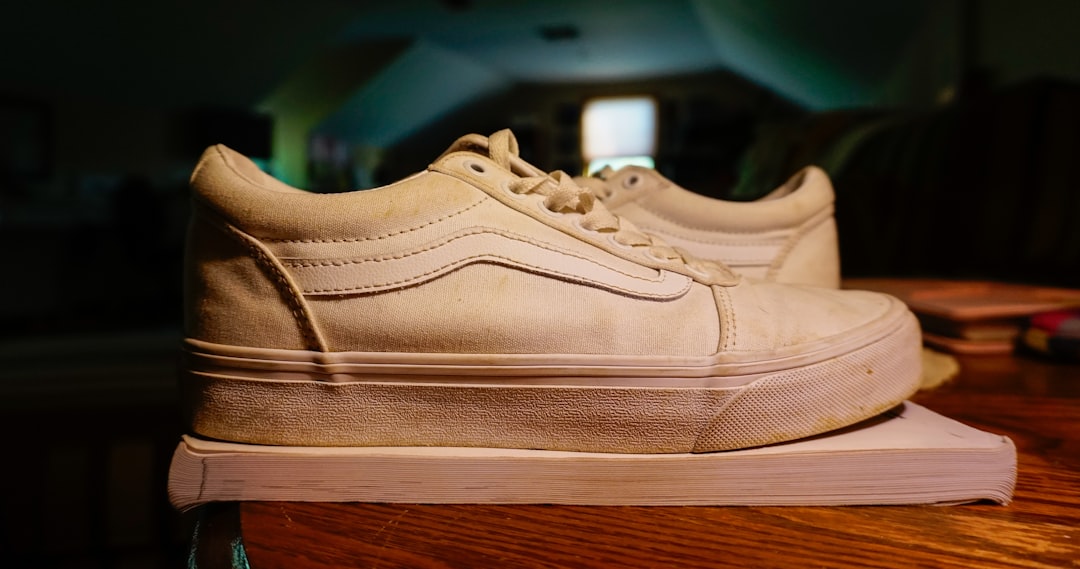
The Vans Old Skool debuted in 1977 under the name “Style 36,” a designation that echoed the brand’s early catalog numbering system. What set it apart from the brand’s existing slip-ons and lace-up high-tops was a revolutionary addition: the now-legendary Sidestripe. This curved leather panel, originally made from suede, was not merely decorative. It was a practical reinforcement designed to withstand the constant friction caused by board grip tape during ollies, kickflips, and slides. Skaters had long complained that canvas uppers shredded too quickly; the Sidestripe added durability exactly where the foot flexed and scraped against the board. This functional innovation became the shoe’s visual identity, a bold, swooping line that has remained virtually unchanged for nearly five decades.
By the early 1980s, the Old Skool had firmly embedded itself in the burgeoning skateboarding culture. The shoe’s padded collar, reinforced toe cap, and sturdy vulcanized sole offered the board feel and impact protection that skaters demanded. It was the go-to footwear for legendary teams like the Bones Brigade, and images of pros like Steve Caballero, Stacy Peralta, and Tony Hawk gripping their boards in Old Skools became etched into the sport’s visual history. The Sidestripe was more than a logo; it was a badge of authenticity. Owning a pair meant you were part of a tribe that valued function over flash, grit over glamour. The shoe’s simple, unpretentious aesthetic—often in classic black with a white stripe—allowed it to fade into the background of action photos while simultaneously making a statement about the wearer’s allegiance to the skate scene.
The transition from subculture to mainstream fashion did not happen overnight, but it was inevitable. In the 1990s, as grunge and alternative culture embraced thrift-store aesthetics, the Old Skool found new life off the board. Musicians, artists, and counterculture figures adopted the shoe for its rugged, working-class vibe. Rappers in the West Coast hip-hop scene paired them with oversized jeans and hoodies, and the Sidestripe began appearing on MTV just as frequently as on skate videos. By the 2000s, high-fashion designers and streetwear brands recognized the Old Skool’s potential. Collaborations with labels like Supreme, Fear of God, and independent boutiques transformed the classic silhouette into a canvas for luxury materials, bold patterns, and limited-edition exclusivity. Yet, unlike many sneakers that lose their soul when commodified, the Old Skool retained its original DNA. The Sidestripe never became a gimmick; it remained a unifying thread between skateparks and runway shows.
What truly cements the Vans Old Skool in the Sneaker Hall of Fame is its remarkable consistency. While other models come and go with trend cycles, the Old Skool has enjoyed decades of uninterrupted relevance. Its design is so recognizable that even a single glimpse of the dotted line formed by the side stripe instantly communicates the brand. It has been worn by presidents and punks, by toddlers and grandmothers, by professional athletes and art critics. The shoe’s durability and comfort—rooted in that original vulcanized construction—ensure that it remains a practical choice for everyday wear, not just a nostalgic relic.
Moreover, the Old Skool has served as a platform for cultural expression. Countless customizations, from hand-painted patterns to DIY embroidery, have allowed individuals to stamp their identity onto a classic shape. The shoe’s simplicity invites personalization, making each pair feel unique even when the silhouette remains uniform. Whether laced loosely for a relaxed look or tied tight for a sharper profile, the Old Skool adapts to its wearer’s lifestyle. It has appeared in films, on album covers, and in gallery exhibitions, proving that a sneaker can be both a utilitarian object and an artistic muse.
In an era of endless sneaker drops and hype-driven releases, the Vans Old Skool stands as a testament to the power of honest design. It did not need a celebrity endorsement to become famous; it earned its status through years of reliable service and organic cultural absorption. The Sidestripe is not just a stripe—it is a signature of resilience, a mark of subcultural pride, and a reminder that the best icons are those that remain true to their roots while evolving with the people who wear them. The Old Skool has earned its place on the podium not by following trends, but by becoming the trend that never fades.
Articles