
The Unmatched Versatility of Cross-Training Shoes: From Gym Floor to Everyday Life
In the ever-expanding universe of athletic footwear, few categories possess the chameleon-like adaptability of the cross-training shoe. While running shoes are optimized for forward propulsion, basketball shoes prioritize ankle support and court grip, and casual sneakers focus on aesthetics, the cross-training shoe exists in a fascinating middle ground. Designed to handle a dizzying array of movements—lateral cuts, vertical jumps, heavy lifts, and agile footwork—these shoes have evolved far beyond their utilitarian origins. Today, they represent a critical intersection of performance engineering and everyday practicality, making them arguably the most versatile piece of footwear any active person can own.
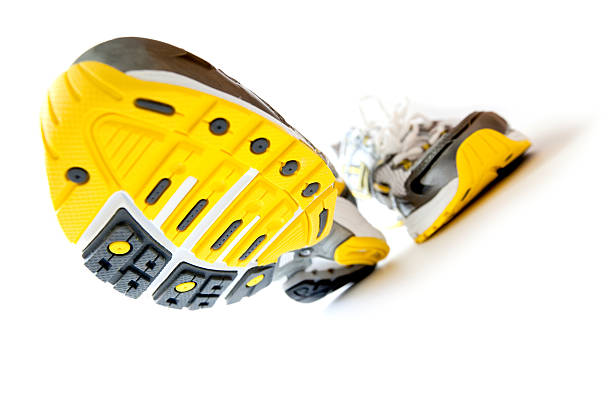
The core philosophy of a cross-training shoe is compromise in the best possible sense. Unlike specialized footwear that excels in one specific activity, the training shoe must distribute its capabilities across multiple demands. This begins with the outsole, which typically features a flat, full-length rubber pattern with multidirectional traction. The tread is not as aggressive as a trail shoe nor as smooth as a running shoe; instead, it offers grip on gym floors, turf, concrete, and even light trails. This tread design allows for explosive movements in multiple directions without sacrificing stability during a heavy squat or deadlift. Coupled with a wider platform, often reinforced with a heel clip or medial post, the midsole provides a stable base that prevents foot roll while still offering enough cushioning for box jumps or short runs. Modern foams like EVA compounds, sometimes infused with responsive materials such as Nike’s React or Adidas’s Boost, deliver a balance: not too soft to compromise lift stability, yet not too firm to cause discomfort during high-impact plyometrics.
Perhaps the most underrated feature of the training shoe is its upper construction. Where running shoes prioritize breathability and minimal weight, training shoes must withstand lateral stress. They frequently incorporate reinforced toe caps, medial overlays, or even strap systems to lock the foot in place during side-to-side movements. Materials range from durable mesh to synthetic leather and knit fabrics, often with additional stitching in high-wear areas such as the toe box and the lateral side. This construction ensures that the shoe survives the abuse of rope climbs, sled pushes, and agility drills without blowing out. At the same time, modern designs have become sleeker and more lifestyle-friendly. Brands now offer cross-training silhouettes that transition effortlessly from the gym to the street, blending performance features with streetwear aesthetics. This dual identity is why many sneaker enthusiasts own a pair of training shoes not just for workouts, but as everyday beaters that can handle a casual walk, a quick errand run, or even a light hike.
The history of the cross-training shoe is rooted in the fitness boom of the late 1980s and early 1990s, when aerobics, circuit training, and home gyms exploded in popularity. Icons like the Reebok Pump, Nike Air Trainer 1, and the original Cross-Trainer line from various brands set the template. These shoes were marketed to athletes who did not specialize in a single sport—the weekend warrior, the gym enthusiast, the multi-sport athlete. That legacy continues today, but the modern training shoe has been refined by the demands of functional fitness and high-intensity interval training. Movements like burpees, lunges, kettlebell swings, and rope slams place unique stresses on the foot that early training shoes could not anticipate. As a result, contemporary models feature deeper heel drops for squatting, reinforced toe caps for rope climbs, and heel-to-toe flexibility for dynamic workouts.
One of the most compelling arguments for investing in a quality cross-training shoe is the concept of injury prevention. Because these shoes are engineered for multidirectional support, they reduce the risk of ankle sprains, plantar fasciitis, and other common overuse injuries that occur when wearing improper footwear. The combination of a stable heel, a wide toe box, and a non-compressible midsole helps maintain proper form during compound lifts. Meanwhile, the outsole’s grip prevents slipping during explosive movements. For anyone who rotates between weightlifting, cardio, and mobility work in a single session, the cross-training shoe eliminates the need to change footwear between stations, saving time and maintaining performance consistency.
Another fascinating aspect is the growing intersection of cross-training and sneaker culture. Limited-edition collaborations featuring iconic training shoe models have become highly sought after. The Reebok Club C, originally a training shoe, now thrives as a lifestyle staple. The Nike Air Trainer series has seen retro releases that appeal to both collectors and fitness enthusiasts. This blurring of lines signifies that the training shoe is no longer just a tool; it is a statement. Wearing a pair of sleek, performance-oriented trainers signals an active lifestyle and an appreciation for functional design. As athleisure continues to dominate fashion, the versatile training shoe stands as the perfect embodiment of form meeting function.
In conclusion, the cross-training shoe offers unmatched versatility because it refuses to be pigeonholed. It provides the stability needed for heavy lifting, the cushioning required for jumping, the traction demanded by agility drills, and the comfort necessary for all-day wear. For the sneaker enthusiast who wants a single pair of shoes capable of handling a gym session, a casual outing, and everything in between, there is no better choice. The modern training shoe is a testament to how far footwear engineering has come—a true hybrid that respects the past while embracing the future of movement.
Articles