The Unseen Battle: How Mesh Revolutionized Breathability Without Sacrificing Structure in Modern Performance Sneakers
When the sneaker industry first embraced synthetic materials, traditionalists mourned the decline of leather and suede. Yet among the most transformative innovations to emerge from this shift is mesh. Often overlooked as a budget alternative to premium hides, mesh has quietly undergone a quiet revolution that makes it arguably the most technically advanced material in performance footwear. The tension between breathability and structural support has long plagued sneaker engineers, and mesh has emerged as the unlikely hero that reconciles these opposing demands.
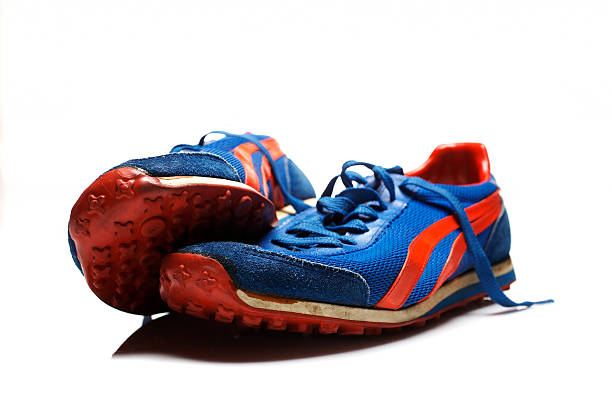
At its core, mesh is a textile constructed from interlaced fibers that create a porous, net-like structure. The spaces between the threads are not a flaw but the feature that defines its performance. Air circulation, moisture evaporation, and weight reduction all derive from that open weave. Early iterations of mesh in the 1980s, such as those found in the Nike Air Trainer or the Reebok Pump, prioritized ventilation above all else. They were airy but flimsy, offering little lateral support and stretching out of shape after a few wears. Leather and suede provided structure through density, but at the cost of trapping heat and absorbing moisture. The question that drove material scientists for decades was whether a fabric could be simultaneously breathable and rigid.
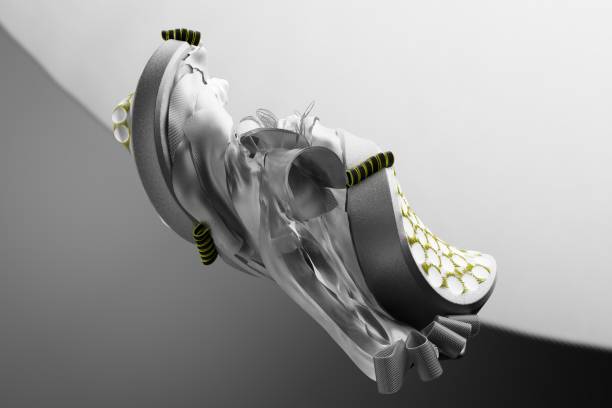
The answer arrived through layering techniques and engineered yarns. Modern performance mesh is rarely a single layer. Instead, it is a composite of an outer mesh that provides abrasion resistance, a middle spacer mesh that creates a pocket of trapped air for cushioning, and an inner lining that wicks sweat away from the foot. This three-dimensional architecture allows air to flow freely while the fibers themselves are locked in place by thermal bonding or high-frequency welding. Adidas’ Primeknit and Nike’s Flyknit further blurred the line between mesh and knit, using computer-controlled yarn placement to vary density across the upper. Where the foot needs structure, the weave tightens; where it needs breathability, the weave opens. The result is a single-piece upper that eliminates the need for overlays, reducing weight and friction points.
Performance testing of mesh reveals surprising durability. While leather can crack and suede can stain and waterlog, modern synthetic meshes such as those using Cordura nylon or Dyneema fibers exhibit tensile strengths comparable to traditional materials. In abrasion tests, a woven mesh with a bonded TPU coating can withstand thousands of cycles against rough surfaces without fraying. The key is that mesh fails gracefully, if at all—unlike leather, which develops permanent creases, or synthetics that peel. Mesh tends to fray at the edges rather than catastrophically tear, giving the wearer early visual cues that replacement is near.
Breathability remains mesh’s strongest claim. In controlled studies measuring foot temperature and humidity during exercise, mesh uppers consistently reduce internal temperature by two to three degrees Celsius compared to leather, and by as much as five degrees compared to thick suede. This difference translates directly to comfort during long runs, high-intensity training, or extended wear in warm climates. Yet the perception that mesh is somehow less premium persists, largely because early mesh sneakers were cheaply made. Today’s technical mesh, especially when combined with vapor-permeable membranes like Gore-Tex or eVent, can achieve waterproofing without sacrificing airflow—a feat impossible with leather, which must be treated with waxes that eventually clog pores.
The structural limitations of mesh have been addressed through strategic reinforcement. Modern performance sneakers often integrate a mesh base with synthetic overlays at the heel counter, eyelet row, and toe box. These overlays are not merely decorative; they function as exoskeletal support that prevents the mesh from stretching under tension. The Brooks Ghost and ASICS Nimbus lines exemplify this hybrid approach, using a structured mesh that holds the foot securely without the weight of leather. On the basketball court, the Nike LeBron series has evolved from thick leather to a lightweight mesh-and-Kevlar composite that resists torsional forces while allowing the foot to breathe during explosive movements.
Suede and leather will always have a place in casual and heritage sneakers, where patina and texture matter more than weight and ventilation. But for the athlete who demands performance, mesh has become the gold standard. It is lighter, dries faster, and can be engineered with variable stretch and stiffness zones that no single natural material can match. The unseen battle between breathability and structure has been won not by choosing one over the other, but by reimagining what a fabric can do when fibers are woven with purpose and precision.
Articles