The Upcycled Sneaker Outfit
In a world where fashion often demands the new, the fresh, the just-released, there is a quiet revolution happening in the way we dress our feet. It is not about the latest hyped collaboration or the most limited retro drop. It is about finding beauty in what already exists, extending the life of materials, and making a statement that does not rely on a receipt. This is the essence of the upcycled sneaker outfit, a stylistic approach that merges environmental consciousness with the deep cultural appreciation that defines sneaker collecting. To embrace this trend is to understand that style and sustainability are not opposing forces but rather partners in a more thoughtful, personal, and arguably more interesting way of dressing.
The philosophy behind an upcycled outfit begins with the sneaker itself. Instead of searching for the newest factory-fresh pair, the focus shifts to the pre-owned, the vintage, the deadstock from another era, or even the heavily worn daily beater. A pair of 1990s New Balance 990s, showing the gentle patina of age on their suede panels, tells a story that a brand-new pair cannot. A set of original Air Jordan 1s, with cracked leather and faded color, becomes not a flaw but a feature, a testament to the life they have lived. The first step in building this outfit is selecting a sneaker that has a history, a sneaker that you are willing to care for and continue to use. This choice immediately reduces demand for new production and keeps perfectly good materials out of landfills.
Building the rest of the ensemble around such a sneaker requires a shift in mindset. The goal is not to look like you just walked out of a futuristic eco-pod, but rather to create a cohesive, contemporary look that champions durability and resourcefulness. Consider a foundation piece made from recycled or organic materials. A pair of wide-leg trousers in organic cotton or a hemp-based canvas takes the place of fast-fashion synthetics. The cut is important here; a slightly looser, more relaxed silhouette complements the often-chunky profile of a classic retro sneaker. The top layer can be a simple, well-worn linen shirt or a vintage band tee, sourced from a thrift store or passed down through a family. The texture of these natural fibers, often slightly imperfect or faded, harmonizes with the worn-in character of the upcycled sneaker. This is not a look of pristine perfection but of lived-in quality.
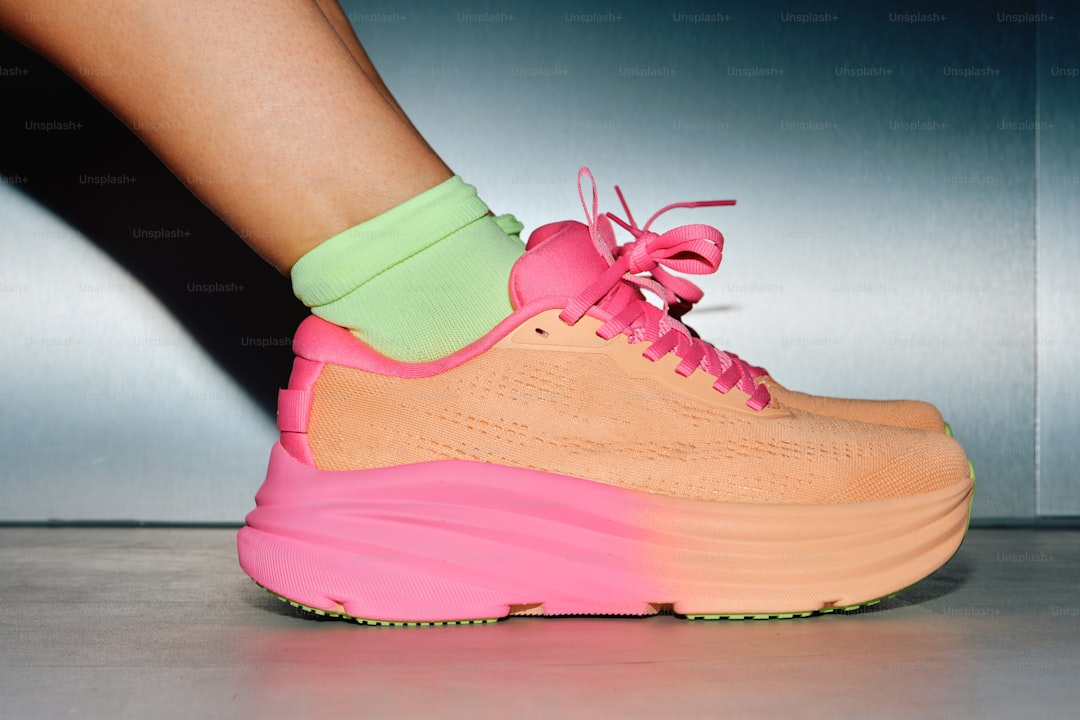
The real challenge and joy of this style is avoiding the trap of looking like a costume. The easiest way to fail at sustainable fashion is to make it look like a uniform of beige and brown, devoid of personality. The upcycled sneaker outfit thrives on contrast and surprise. A bright, neon-accented pair of vintage Adidas can breathe life into an otherwise monochrome, earth-toned outfit. A pair of heavily scuffed Converse Chuck Taylors, perhaps with a hand-painted design on the side, can add a punk edge to an otherwise tailored blazer and trousers. The key is to let the sneaker lead, but not dominate. It should feel like a natural, intentional part of the ensemble, not a forced attempt at activism.
Materials themselves become the focus of the conversation. Understanding what your sneakers are made of is crucial. Many classic silhouettes from the 1980s and 1990s used full-grain leathers and durable natural rubbers, materials that were designed to last decades, not months. When you buy a pair of these used, you are not just buying a shoe; you are salvaging high-quality, non-renewable resources that have already been extracted. Modern sustainable brands have also joined this conversation, offering sneakers made from recycled ocean plastics, algae-based foams, and Piñatex (pineapple leather). Pairing a brand-new, sustainably manufactured sneaker like a Veja or an Allbirds with a vintage thrifted wardrobe creates a powerful dialogue between past innovation and future solutions.
Beyond the aesthetics, there is a deeper cultural significance to this styling approach. It challenges the dominant narrative of sneaker culture, which for decades has been built on scarcity, limited releases, and the relentless pursuit of the next drop. The upcycled outfit is a direct counterpoint to that pressure. It suggests that worth is not determined by retail price or resale value, but by personal meaning, craftsmanship, and longevity. It elevates the collector from a passive consumer to an active curator, someone who makes choices based on ethics and aesthetics rather than hype and FOMO. Caring for an upcycled sneaker is a practice in itself. Learning to clean suede, to re-dye leather, to use a rubber eraser on white midsoles, or even to take your beloved pair to a cobbler for a resole, transforms the relationship from disposable to cherished.
The most compelling argument for this style is that it looks genuinely good. It is a look of confidence, of someone who knows their own taste and is not swayed by the latest trend cycle. The textures are richer, the colors are more nuanced, and the overall silhouette feels grounded in reality. An outfit built around a vintage pair of Asics Gel-Lyte IIIs, worn with a pair of well-faded raw denim jeans and a heavy cotton sweatshirt from a decade ago, is an outfit that makes sense. It is comfortable, practical, and visually interesting in its subtlety. It does not scream for attention but slowly invites closer inspection, revealing the stories in the stitching, the fading, and the sole wear.
Ultimately, the upcycled sneaker outfit is an invitation to slow down. It asks you to look at your closet with fresh eyes, to see potential in what you already own, and to find beauty in the imperfect. It is a celebration of the object’s journey, from factory to feet, from thrift store to a new life on the street. In a fashion landscape that often feels disposable, this approach offers substance. It proves that the most radical, forward-looking style is often the one that looks backward, carefully, respectfully, and with a deep appreciation for the things that last. The future of sneaker fashion is not made of new plastic; it is made of repaired leather, reimagined canvas, and the enduring soul of a great shoe.
Articles