The Ventilation Score: How Sneaker Breathability Affects Hot Weather Performance
In the sweltering heat of summer, every step can feel like a battle against the elements. For sneaker enthusiasts, the choice of footwear during hot weather is not merely a matter of style but of physiological comfort and performance. While cushioning, traction, and weight often dominate the conversation, one metric has quietly emerged as the unsung hero of warm-weather kicks: the ventilation score. This numerical rating, derived from controlled breathability testing, quantifies how effectively a sneaker allows heat and moisture to escape, preventing the dreaded swamp foot that plagues runners, walkers, and casual wearers alike. Understanding the ventilation score is essential for anyone seeking to maintain peak comfort when the mercury rises.
Breathability testing in sneakers is a surprisingly nuanced process. Laboratories typically use a dynamic moisture vapor transmission rate (MVTR) test, which measures the mass of water vapor that passes through a unit area of the upper material over a specified time under controlled temperature and humidity conditions. Alternatively, some facilities employ a thermal mannequin foot equipped with sensors that detect heat buildup and air exchange. The resulting ventilation score, often presented on a scale from zero to ten, synthesizes data from multiple zones of the sneaker—toe box, vamp, tongue, and collar—to provide a holistic picture of airflow. A high score indicates that the shoe can dump heat and sweat rapidly, while a low score warns of potential overheating in prolonged use.
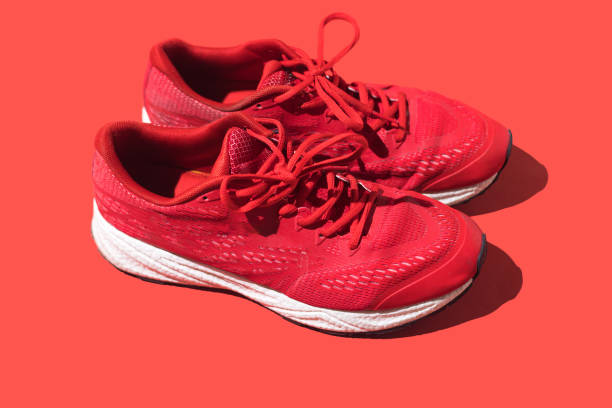
The primary battleground for breathability is the upper material. Traditional leather and synthetic leathers, prized for their durability and structure, score poorly in ventilation tests because they act as vapor barriers. In contrast, engineered mesh and knit fabrics have revolutionized hot-weather sneaker design. Take, for example, the single-layer jacquard mesh used in many modern running shoes. Its open structure allows air to circulate freely, yielding ventilation scores that often exceed eight out of ten. However, not all meshes are created equal. Dense, tightly woven meshes intended for stability may trap heat, while ultra-open weaves sacrifice support. The ideal balance, as revealed by ventilation scoring, involves a gradient of permeability—denser zones at the heel and midfoot for lockdown, porous panels at the forefoot for exhaust.
Beyond the material, the construction of the shoe’s lining and insole plays a critical role in hot-weather performance. Many sneakers feature a moisture-wicking interior layer, such as Dri-Lex or a hydrophobic polyester fleece, designed to transport sweat away from the foot to the upper’s outer surface where it can evaporate. Ventilation testing accounts for this by measuring not just the air permeability of the outer fabric but the total system’s ability to reduce relative humidity inside the shoe. A sneaker with a high ventilation score will show a rapid drop in internal humidity after a simulated sweat pulse, often within thirty seconds of active air movement. Perforated sockliners and open-cell foam footbeds further enhance this effect, as they allow hot air to be displaced by cooler ambient air during gait cycles.
Interestingly, the tongue and collar design often make the difference between a good ventilation score and an excellent one. Gusseted tongues, while excellent for keeping out debris, can block airflow if made from non-breathable material. Conversely, a thin, loosely woven tongue with a central air channel can act as a chimney, drawing hot air upward and out of the shoe with each step. Similarly, collar padding that is too thick can create a vapor seal around the ankle, trapping heat. Testing reveals that a thin, perforated collar—often seen in minimalist trail shoes—can boost ventilation scores by as much as two points without compromising fit. These micro-details underscore that breathability is not solely about the fabric’s weave but about how the entire upper system manages airflow paths.
How does this translate to real-world performance? A sneaker with a ventilation score of six or below may feel comfortable in air-conditioned environments but become oppressive during a midday jog in 35°C heat. The foot’s temperature can rise rapidly, leading to increased sweat production, blisters, and even heat rash. On the other hand, a sneaker scoring eight or above provides a noticeable cooling effect—wearers often describe feeling a breeze across their toes. This is not merely subjective. Controlled studies have shown that runners in high-ventilation shoes maintain a lower core foot temperature by an average of 2.5°C over a 10-kilometer run compared to those in low-scoring models. That thermal relief translates into sustained performance and reduced fatigue.
Yet the ventilation score is not the sole determinant of hot-weather suitability. It must be weighed against other factors like water resistance, durability, and support. For instance, a sneaker with a perfect ventilation score might use an extremely open mesh that tears easily or allows dirt ingress, compromising its longevity. Conversely, some lightweight trainers achieve excellent breathability but lack the torsional rigidity needed for fast-paced runs. The most successful hot-weather sneakers occupy a sweet spot where ventilation scores of seven to nine coexist with reinforced toe caps, internal heel counters, and TPU overlays placed strategically to avoid blocking key airflow zones.
For the sneakerhead navigating summer heat, the ventilation score serves as a datapoint that demystifies comfort. It bridges the gap between marketing claims of “breathable” and tangible performance. By consulting these scores alongside release calendars and review notes, collectors can make informed choices about which drops deserve priority, especially for outdoor activities or long hours on pavement. As climate change drives more frequent heatwaves, the importance of ventilation testing will only grow. Sneaker brands that invest in high-MVTR materials and airflow-optimized construction will dominate the warm-weather segment, while those relying on outdated leather or dense synthetics may find their offerings relegated to cool-weather closets.
Ultimately, the ventilation score is more than a number—it is a reflection of how well a sneaker partners with the foot during its most demanding moments. It quantifies the feeling of stepping out of a stuffy room into a fresh breeze, a sensation that no amount of cushioning or style can replicate. For the hot-weather warrior, knowing that score is the first step toward stepping lighter, cooler, and faster.
Articles