
The Versatile Shield: How Waterproofing Sprays Guard Against More Than Just Water
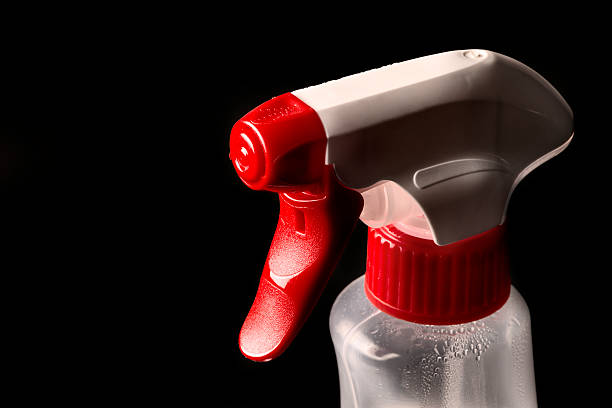
The primary promise of a waterproofing spray is right there in its name: to repel water. From rain-soaked jackets to suede shoes caught in a downpour, these products are a first line of defense against moisture. However, a common and practical question arises: can these sprays also protect against other types of stains, such as oil, dirt, or wine? The answer is a nuanced yes, but with important caveats rooted in the science of how these sprays work and the nature of the stains they encounter.
At their core, most modern waterproofing sprays are not merely “water” repellents; they are more accurately described as liquid-repellent treatments. They work by depositing a microscopic, protective layer—often using fluoropolymers or silicones—onto the fibers of a fabric or material. This layer lowers the surface energy of the material, causing liquids to bead up and roll off rather than being absorbed. This principle of surface tension applies to more than just water. Many water-based spills, including coffee, soda, juice, and even some types of ink or mud before they dry, will behave similarly to water when they encounter a properly treated surface. The spray creates a temporary barrier that gives you precious time to blot the spill away before it can seep into the fibers, effectively preventing a stain from setting.
The limitation, however, lies in the chemistry of the spill itself. Waterproofing sprays are exceptionally effective against water-based liquids because they are designed to combat polar molecules. Oil-based stains—such as cooking grease, motor oil, or certain makeup products—present a different challenge. These are non-polar substances, and a standard waterproofing spray may be less effective against them. The protective barrier might slow the absorption, but it is less likely to cause oil to bead up perfectly. For this reason, some specialized sprays are formulated with additional chemicals aimed at providing oleophobic (oil-repelling) properties as well as hydrophobic (water-repelling) ones. Consumers seeking broader protection should look for sprays that explicitly mention defense against oil and grease.
Furthermore, the efficacy against dry particulate stains, like dirt, dust, or chalk, is more indirect. A treated surface often becomes smoother at a microscopic level, making it harder for dry particles to cling to the fibers. This can allow dirt to be brushed off more easily rather than grinding in. However, if the dirt becomes wet or muddy, the liquid-repellent properties again come into play, preventing the moisture from carrying the dirt deep into the fabric. It is also crucial to understand what these sprays cannot do. They are not an invisible, impermeable plastic coating. They do not protect against mechanical damage like tears or abrasion, and they cannot repel stains that are forcefully ground into the material or allowed to sit for an extended period. The protection is a shield, not an impenetrable force field.
In conclusion, waterproofing sprays offer a valuable and broader defensive capability than their name implies. They can indeed provide significant protection against a wide array of common, water-based stains, from wine to coffee, granting users critical time to address accidents. Their performance against oily substances is less reliable and depends on the specific formulation. For optimal results, one should select a product tailored to both the material being treated and the anticipated threats, carefully follow application instructions, and maintain realistic expectations. Ultimately, while not a universal stain-proof solution, a quality waterproofing spray is a versatile tool in preserving our belongings, acting as a formidable barrier against a surprisingly diverse portfolio of everyday spills and soiling agents.
Articles