The Waffle Sole Revolution: How Vans Gripped Skate Culture Since 1966

In 1966, the Van Doren Rubber Company opened in Anaheim, California, selling durable canvas shoes directly to customers. The first models were simple: sturdy uppers and vulcanized rubber soles. As Southern California kids pushed through streets and drained swimming pools, they needed footwear that could withstand grip tape, concrete, and constant impact. Vans provided that utility. The brand’s early success came not from a grand marketing campaign but from listening to the people who wore its shoes hardest. Skaters discovered that the thick rubber sole offered traction and board feel, while the canvas upper was easy to customize and repair. By the early 1970s, Vans had become a quiet tool of a rebellious new sport.
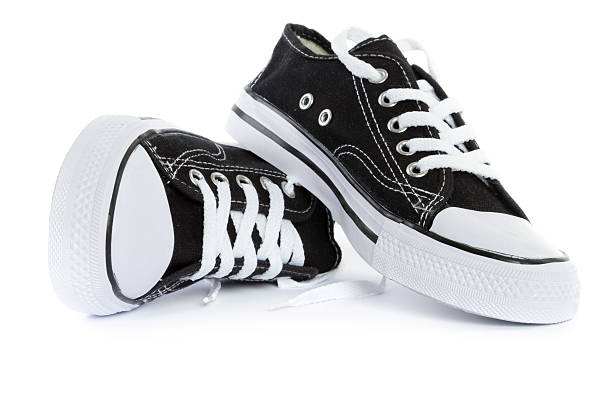
The breakthrough arrived with the waffle sole. Its diamond-patterned tread, originally designed for grip and durability, became a signature. The pattern looked like a breakfast waffle, but its function was serious. It gripped skateboard decks, absorbed impact, and gave riders confidence when carving pool walls. The sole was not merely a technical detail; it was a tactile connection between skater and board. That connection helped define the sensation of skateboarding itself. When skaters rode vertical walls, they described it as going “off the wall,“ a phrase Vans later adopted as its slogan. The slogan captured a culture that treated empty pools, ditches, and concrete banks as creative canvases. Vans was not outside skateboarding looking in. It was inside the scene, learning from riders who demanded more.
In 1976, Vans introduced the Style 95, later known as the Era. Developed with input from skateboarders Tony Alva and Stacy Peralta, the Era featured a padded collar and heel for support. It was among the first shoes designed specifically for skateboarding rather than adapted from casual wear. The following year, the Old Skool arrived with a leather side stripe that became one of footwear’s most recognizable silhouettes. In 1978, the Sk8-Hi added ankle protection for vertical skating, giving riders a high-top option that balanced support with flexibility. These models formed a lineage: the Authentic, the Era, the Old Skool, and the Sk8-Hi. Each responded to skating’s changing demands, from pool riding to street, while maintaining vulcanized construction and waffle grip.
The 1980s brought mainstream attention and internal struggle. The checkered Slip-On became a pop-culture symbol after appearing in Fast Times at Ridgemont High, but skateboarders still valued Vans for performance. The company faced financial difficulties and filed for bankruptcy in 1984. Yet its connection to skate shops and riders kept the flame alive. As skateboarding evolved through the 1990s, Vans rebuilt credibility with pro models and team riders. Steve Caballero’s signature high-top was cut down by skaters who wanted a mid-top, leading to the Half Cab. That shoe became a classic because it emerged from actual skating practice, not a boardroom concept. Vans also supported events, videos, and tours that gave skateboarders platforms to showcase their skills. The brand’s identity became inseparable from the DIY energy of skate culture.
In the 2000s, Vans expanded into fashion, music, and lifestyle without abandoning its core. Collaborations and premium lines attracted collectors, while Pro Skate refined technical performance. Modern skate shoes use advanced foams and reinforced stitching, but the waffle sole remains a symbol. It represents function first, style second, and community always. The evolution from Anaheim canvas shoe to global icon is not just about rubber and canvas. It is a story about co-creation. Skateboarders tested, modified, and demanded more from Vans, and the brand responded by treating them as partners rather than consumers. That relationship gave Vans authenticity that cannot be manufactured.
Since 1966, Vans has grown alongside skateboarding’s shifting landscape. Pools gave way to parks, vert gave way to street, and local scenes became global networks. The brand carried its origins: vulcanized soles, side stripes, checkered patterns, Off the Wall. They reveal an evolution shaped by use, failure, feedback, and reinvention. The waffle sole may have started as a practical solution, but it became an emblem of belonging. For skateboarders, Vans became equipment for expression, not an accessory. Its longevity comes from knowing skate culture is not a market segment. It is a living practice, and Vans has remained relevant by walking alongside it, one grip-taped step at a time.
Articles