The Yeezy Boost 350: Kanye West’s Game-Changing Silhouette
When the Yeezy Boost 350 first materialized in 2015, it didn’t just enter the sneaker market; it rewrote the rulebook. This was not merely another celebrity collaboration. It was a cultural detonation, a precise strike at the heart of sneaker design orthodoxy that permanently altered the landscape. For Sneakerholic’s Hall of Fame, the 350 is not just an iconic model; it is the definitive proof of concept that a performer could architect a sneaker empire to rival industry titans, and in doing so, dictate the aesthetic direction for a decade.
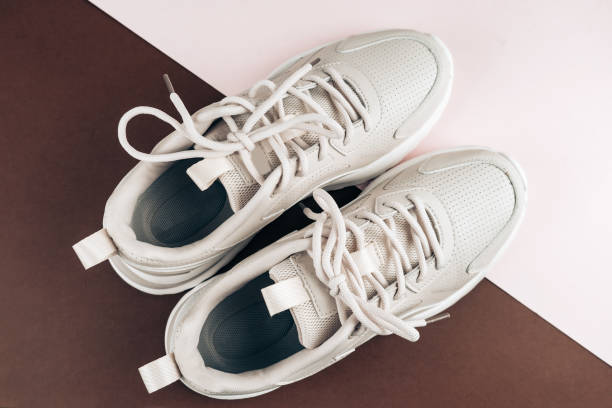
Prior to the 350’s “Turtle Dove” debut, the Yeezy line with Adidas was defined by the aggressive, angular 750—a high-top statement piece that felt exclusive and somewhat distant. The 350 changed everything by going low. Its genius was one of radical subtraction. Designer Kanye West and the Adidas team stripped away the bulk, the overt tech, and the loud branding. What remained was a sleek, form-fitting Primeknit sock, cradling a foot-hugging silhouette that was both alien and familiar. The now-legendary “boost” cushioning, visible through a translucent midsole strip, provided the technical credibility and cloud-like comfort that hype alone could never sustain. This was a sneaker built for the street, for all-day wear, not just for display. It democratized high-fashion sensibilities, translating the minimalist ethos of luxury houses into a wearable, mass-producible sneaker.
The impact was immediate and seismic. The 350 mastered the art of the “drop,“ creating a frenzy of anticipation and digital line-ups that became the new normal. But its true legacy lies in design influence. It spearheaded the “dad shoe” and normcore movement before it even had a name, championing a subdued, tonal color palette that stood in stark contrast to the bright colors and synthetic materials dominating the era. The distinctive ribbed pattern of the Primeknit upper and the curved, gum-like outsole became instantly recognizable signatures, copied and referenced across the industry from fast fashion to competing sportswear giants. It made knit uppers and chunky, comfort-focused soles the dominant language of late-2010s sneaker culture.
Furthermore, the 350’s evolution became a masterclass in brand narrative. Each new colorway—from the pivotal “Pirate Black” and “Oxford Tan” to the earth-shattering “Beluga” with its orange stripe—was an event. Limited releases like the “Zebra” fueled the secondary market to astronomical heights, while broader “restocks” and new iterations like the 350 V2 with its “SPLY-350” branding (later removed) kept the conversation perpetually alive. It created a new model of engagement: a constant, simmering dialogue between creator and consumer, mediated through footwear.
For Sneakerholic, analyzing iconic models means identifying those that create a before and after. The Yeezy Boost 350 is the epitome of this. It moved the needle from sneakers as collectible objects to sneakers as uniform—a foundational piece of a global style lexicon. It proved that comfort and minimalist design could command the highest levels of desire. It transformed Kanye West from a collaborator into a mogul, forcing the entire industry to reconsider the power dynamics between athletes, artists, and brands. The Yeezy Boost 350 is more than a shoe; it is a landmark. It is the moment the street truly took over, not with a shout, but with a whisper-soft, boost-cushioned step.
Articles