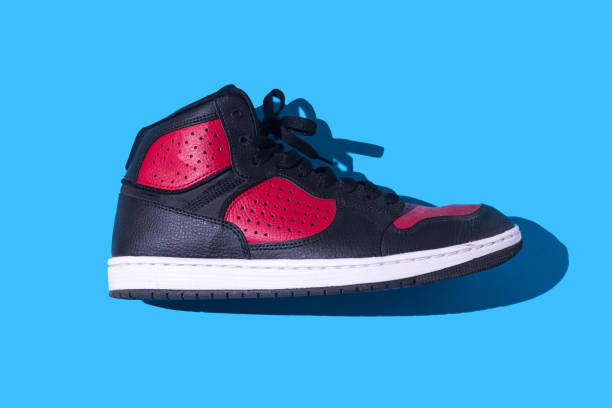

Understanding Sneaker Terminology: OG, Retro, High, Mid, and Low

The world of sneakers is rich with terminology that can sometimes be confusing for enthusiasts, especially when discussing iconic models like the Air Jordan 1. Terms such as “OG,“ “Retro,“ and the various height designations—High, Mid, and Low—each carry specific meanings that denote a shoe’s history, design, and release. Understanding these distinctions is key to appreciating the nuances of sneaker culture and making informed collecting decisions.
OG (Original) sneakers refer to the very first versions of a shoe released during its initial debut. For the Air Jordan 1, this means the models that dropped in 1985, designed by Peter Moore. These OGs are the benchmark against which all subsequent versions are compared. They are characterized by their historical significance, authentic details, and often, superior materials and craftsmanship compared to later releases. Owning an OG sneaker is akin to possessing a piece of basketball and fashion history, making them highly sought after by collectors and incredibly valuable, though often difficult to find in pristine condition.
Retro sneakers are re-releases of original models, often updated with modern materials or slight design tweaks while aiming to stay true to the original aesthetic. The term “Retro” signifies that the shoe is a revival of a past design. While Retros aim for authenticity, they may differ from OGs in subtle ways, such as the shape, materials, or branding details. For instance, some Retro versions might feature a different tongue tag or a slightly altered silhouette compared to their original counterparts. The quality of Retro releases can vary, with some being lauded for their faithfulness to the original and others criticized for using cheaper materials.
The height designations—High, Mid, and Low—refer to the cut of the sneaker around the ankle. The High cut is the most iconic and was the original silhouette for the Air Jordan 1, famously worn by Michael Jordan himself. It offers maximum ankle support and a classic look. The Mid cut is a compromise, sitting lower than the High but higher than the Low, offering a balance between support and a more casual aesthetic. The Low cut, as the name suggests, features a significantly lower profile, providing less ankle coverage and a more relaxed, summer-ready vibe.
It’s important to note that within these categories, there can be further distinctions. For example, “OG Lows” specifically refer to original low-cut versions that might feature distinct branding, like Nike Air on the tongue, as opposed to later low-cut models that might feature a Jumpman logo. Similarly, the “Retro ’85” designation often points to a specific era of re-release that aims for a high degree of fidelity to the original 1985 design. Understanding these layers of terminology allows enthusiasts to delve deeper into the history and evolution of their favorite sneaker models.
1. OG (Original) Sneakers
The term OG, standing for Original, refers to the very first iteration of a sneaker model released during its initial debut. For iconic shoes like the Air Jordan 1, the OG versions are those that first hit the market in the late 1980s and early 1990s. These sneakers are highly prized by collectors due to their historical significance and authenticity, representing the exact design, materials, and craftsmanship that were available at the time of the shoe’s launch. Owning an OG sneaker is like holding a piece of history, often associated with the peak of a player’s career or a pivotal moment in sneaker culture. Due to their age, finding OGs in pristine condition is exceptionally rare, contributing to their immense collector value and desirability.
2. Retro Sneakers
Retro sneakers are re-releases of classic or original models that have been brought back to the market, often years after their initial debut. While Retros aim to capture the essence of the OG design, they are not exact replicas. Manufacturers may update materials, adjust the silhouette slightly, or incorporate modern manufacturing techniques. The quality of Retro releases can vary significantly; some are celebrated for their faithfulness to the original, using premium materials, while others might be criticized for using less durable or cheaper components compared to their predecessors. The term “Retro” signifies a revival, allowing new generations of sneaker enthusiasts to experience iconic designs that might otherwise be inaccessible due to rarity or age.
3. High-Top Sneakers
The High-top cut is often considered the most classic and iconic silhouette for many basketball sneakers, including the Air Jordan 1. This design features a collar that extends above the ankle, providing enhanced support and protection. The original Air Jordan 1, released in 1985, was a high-top, worn by Michael Jordan himself during his early career. This height is synonymous with the shoe’s heritage and its connection to the golden era of basketball. High-tops are favored by many for their aesthetic appeal, perceived ankle support, and their direct link to the shoe’s historical context in the sport.
4. Mid-Top Sneakers
Mid-top sneakers represent a middle ground between the high-top and low-top designs. They feature a collar that typically sits around the ankle bone, offering a moderate level of support and a versatile aesthetic. The Jordan 1 Mid, for instance, is heavily influenced by the OG High design but offers a slightly more relaxed fit and appearance. This cut appeals to those who want a bit more ankle coverage than a low-top but find high-tops to be too restrictive or bulky. Mids provide a balance that works well for both casual wear and light athletic activities, making them a popular choice for everyday use.
5. Low-Top Sneakers
Low-top sneakers are characterized by their cut that sits below the ankle, offering the least amount of ankle coverage among the three variations. This design provides maximum freedom of movement and a more casual, often sportier look. For the Air Jordan 1, low-top versions have evolved over time. Original “OG Lows” might feature specific branding elements, such as “Nike Air” on the tongue, distinguishing them from later iterations that may sport a Jumpman logo and potentially different material quality. Low-tops are generally considered more breathable and are a popular choice for warmer weather or for individuals who prefer a less constricting feel around the ankle.
6. The Distinction Between OG and Retro Lows
When discussing Low-top Air Jordan 1s, the distinction between “OG Low” and “Retro Low” is significant. An OG Low refers to a low-cut version that was part of the original release run in the 1980s. These are exceedingly rare and valuable due to their historical authenticity. In contrast, Retro Lows are re-releases of these original low-cut designs, or entirely new low-cut designs inspired by the OG aesthetic, produced in later years. A key differentiator can be the branding; original OGs might feature “Nike Air” on the tongue, while many Retro versions, especially those released after the mid-2000s, often display the Jumpman logo instead. Furthermore, the quality of materials and construction can differ, with OGs generally considered to be of higher quality than many subsequent Retro releases.
Articles