Waxed, Flat, or Rope: Choosing Replacement Laces That Change a Sneaker’s Character
A sneaker’s laces are one of the few original parts that can be changed without altering the shoe’s structure, yet their effect is rarely subtle. They frame the tongue, control how tightly the upper wraps the foot, and draw the eye toward the throat. A lace swap can make a bulky trainer look leaner, a simple canvas shoe feel more premium, or a worn pair seem new again. Material, width, length, weave, aglet style, and finish all influence comfort, durability, and personality. Understanding those variables turns a quick substitution into deliberate customization.
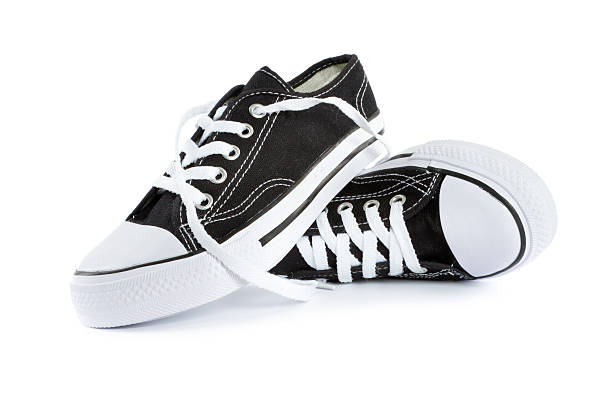
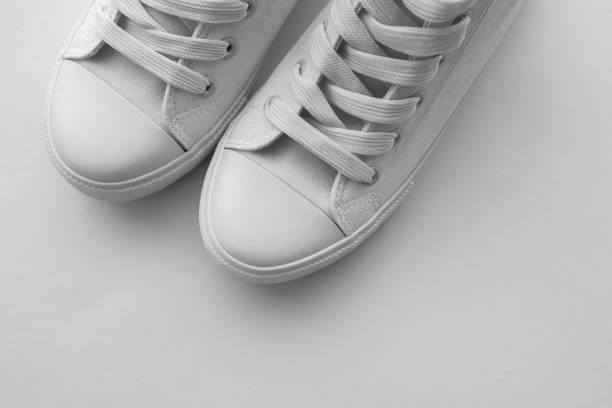
Flat cotton laces remain the default for retro runners, skate shoes, and basketball silhouettes. Their wide, matte surface fills eyelets evenly and creates a familiar, casual look. They tie into generous bows and sit softly against the tongue, making them comfortable for all-day wear. The downside is that cotton can fray, stain, and stretch over time. Waxed flat laces solve some of those problems. A light wax coating repels moisture, reduces friction, and helps knots stay tied. They also add a subtle sheen that can elevate leather sneakers and smart-casual outfits. The trade-off is stiffness, so waxed laces may need a break-in period before they conform.
Round rope laces bring volume and texture. Their braided construction creates a three-dimensional line that stands out against flat uppers, making them popular on hiking sneakers, trail shoes, and chunky high-tops. Rope laces reinforce a rugged aesthetic, especially with metal aglets or contrasting speckles. On sleeker silhouettes, however, they can overwhelm the design and make the shoe feel top-heavy. Standard round athletic laces are thinner and more flexible, designed for speed and secure fit. Oval laces sit between flat and round; they slide through eyelets easily and reduce pressure points, though their slick surface can loosen unless double-tied. Matching lace shape to shoe proportions matters more than following a trend.
Specialty materials expand the possibilities further. Leather laces lend a refined, handcrafted feel to premium sneakers and boots. They age with patina, require occasional conditioning, and can be cut to length, but they are less forgiving if knotted too tightly. Elastic laces offer convenience, turning lace-up sneakers into slip-ons while maintaining a customized fit. Reflective laces add safety and a technical edge in low-visibility conditions. Ribbon and satin laces introduce fashion-forward contrast, often softening aggressive silhouettes or creating a playful, delicate look. Recycled polyester, hemp, and bamboo options appeal to wearers who want lower-impact materials without sacrificing style. Each material changes how the lace behaves and how it communicates priorities.
Length and width determine whether a lace swap succeeds. Too long, and excess loops drag, snag, and look untidy. Too short, and the shoe cannot be tied securely. Counting eyelet pairs and measuring the original laces provides a reliable starting point, but personal preference matters. Width is equally important. Slim eyelets reject thick laces, while wide eyelets can make thin laces look sparse. A thicker lace fills the space, creates a bolder bow, and may improve knot security, but it can press against the tongue and create hotspots. A thinner lace reduces bulk and pressure, yet it may slip more easily. Color and pattern add the final layer. A tonal lace creates a clean line, while a contrasting lace highlights the shoe’s architecture. Matching the tongue, midsole, or logo can make a design feel intentional. The best choice respects the sneaker’s proportions while adding one clear point of interest.
Care keeps replacement laces looking good. Cotton and synthetic laces can be hand-washed with mild soap and air-dried, while waxed laces need only a damp cloth. Leather laces should be conditioned occasionally to prevent cracking. Frayed ends can be replaced with new aglets or sealed with clear nail polish, but once a lace stretches unevenly or loses its shape, replacement is wiser than repair. Rotating several lace styles protects them from wear and lets the same sneaker shift between casual, athletic, and formal moods. Lace swaps are small, affordable, and reversible, making them one of the safest forms of customization. They can improve fit, extend the life of a favorite pair, and give an old silhouette a fresh identity without touching the upper itself. The right lace feels secure, suits the shoe’s proportions, and reflects the wearer’s taste.
Articles