
Why Athlete Feedback Still Outweighs Influencer Hype in Sneaker Performance Testing
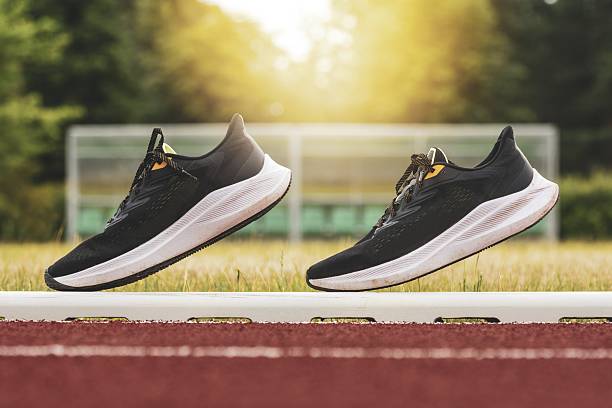
Every serious sneaker review begins with a question: does the shoe actually perform? Marketing can promise energy return, lockdown, and court feel, but truth emerges only after repeated runs, cuts, jumps, and miles. That truth is rarely discovered by one tester alone. It is shaped by expert opinions, each with different biases, skills, and relationships to footwear. Among athletes, collectors, and influencers, the most valuable performance insights often come from those who use the shoe under pressure and can separate novelty from function.
Athletes bring the most direct form of performance data. A basketball player feels lateral stability during a hard defensive slide. A runner senses whether a carbon plate helps or fights their stride. A tennis player notices if a lateral cage holds the foot during a split step. Their feedback is embodied, immediate, and difficult to fake. When an athlete says a shoe lacks torsional rigidity, they may not use engineering language, but the observation still points to a real design issue. Testers can then translate that feeling into measurable terms: plate stiffness, heel counter shape, outsole rubber hardness, or midsole compression. Athlete testimony becomes field research rather than celebrity endorsement.
Yet athlete feedback is not automatically objective. Sponsored athletes may emphasize strengths and soften criticism. Their biomechanics may differ from the average buyer. A guard on clean hardwood has different needs from a forward on dusty outdoor courts. This is why expert opinion must be triangulated. One athlete’s preference for a snug fit can be another’s source of pain. The best performance testing uses multiple athletes across positions, sizes, and playing styles, then looks for patterns. If several testers independently report heel slippage, the issue is likely structural. If only one reports it, the problem may be fit or foot shape.
Collectors contribute a different kind of expertise: material literacy and historical context. They know how full-grain leather breaks in, how patent leather creases, and how a retro midsole differs from an original. That knowledge matters because modern sneakers often blend heritage design with contemporary technology. A collector can spot when a performance retro uses cosmetic tooling rather than functional tooling. They can compare a reissue to an original and explain why the ride feels flatter or the upper feels stiffer. That perspective prevents reviews from treating every release as if it appeared in a vacuum.
Collectors also understand the collector’s paradox: a shoe can be beautiful, rare, and culturally significant while still being mediocre on court. Their input helps separate display value from playability. In expert roundtables, collectors raise the question pure athletes might ignore: who is this shoe actually for? Is it a lifestyle model dressed in performance language, or a genuine tool for competition? Answering that requires both technical testing and cultural memory.
Influencers occupy a more complicated space. At their best, they are skilled communicators who translate dense performance concepts into accessible language. They build communities, gather questions, and pressure brands to address real concerns. A credible influencer with a consistent testing protocol can be as useful as a traditional reviewer. They may run the same drill, on the same court, for weeks, and document every detail. That consistency creates a dataset followers can compare across models.
At their worst, influencers amplify hype. They reward novelty, chase trends, and may lack experience to distinguish a genuinely supportive upper from a merely tight one. Their reach can make a mediocre shoe seem revolutionary, especially when affiliate links and early access shape incentives. The solution is not to dismiss influencers but to evaluate their methods. Do they disclose sponsorships? Do they test multiple sizes? Do they compare against benchmarks? Credibility in performance review comes from transparency, not follower count.
The strongest expert opinions emerge when athletes, collectors, and influencers are placed in conversation rather than competition. Athletes reveal how a shoe behaves under stress. Collectors reveal what has changed over time and what materials truly mean. Influencers reveal how information travels and how communities interpret it. A thorough performance test uses all three voices, then returns to the shoe itself: fit, cushioning, traction, stability, durability, and feel. Expert opinion is not a shortcut around testing. It is a lens that helps testers ask better questions.
Articles