Why Confirmed Artist Sneaker Collaborations Are Reshaping Release Calendars
Artist-led sneaker collaborations have moved from side projects to central events on the release calendar. A confirmed partnership between a musician, visual artist, or designer and a footwear brand no longer simply adds another colorway to a seasonal lineup. It creates a date that collectors monitor, a story that resellers speculate about, and a cultural moment that extends far beyond the shoe box. The most successful collaborations feel less like product launches and more like limited exhibitions that happen to be wearable.
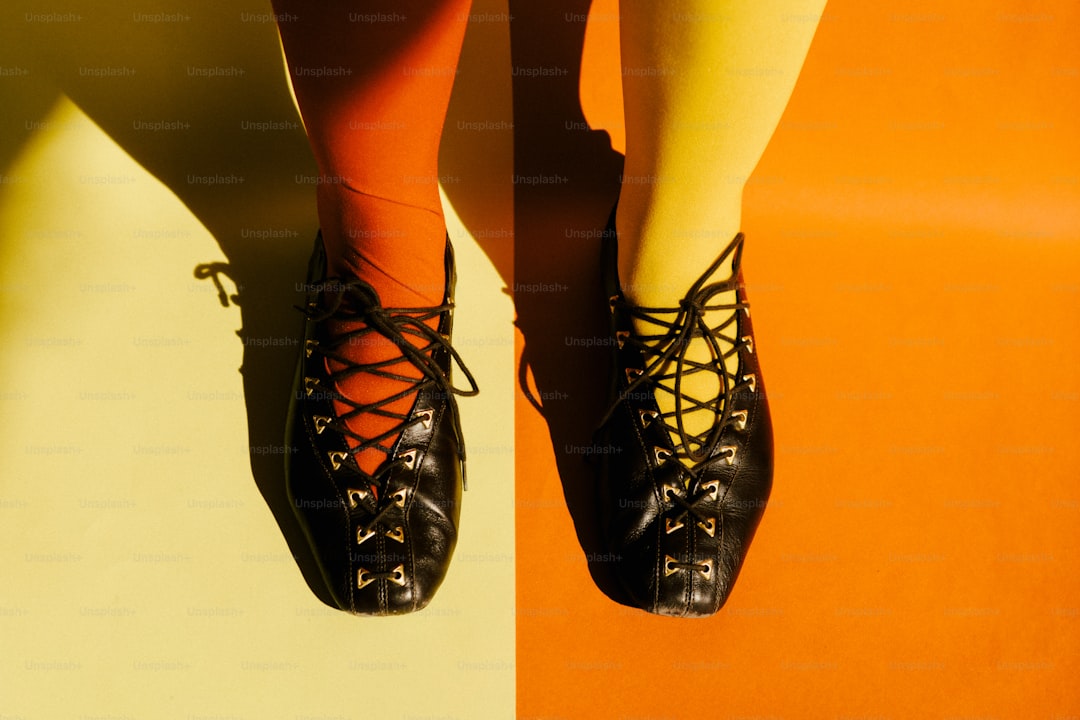
The shift begins with authorship. When an artist signs on to a sneaker project, the design language changes. Materials, stitching, packaging, and even the language used in campaign imagery can reflect that person’s creative world. A painter might treat the upper as a canvas, a musician might translate album-era aesthetics into texture and tone, and a fashion designer might rework proportions until the silhouette feels newly tailored. Collectors are not only buying a shoe; they are buying a physical piece of that artist’s practice. That emotional connection is why confirmed collaborations can command attention before a single official image appears.
Release calendars have adapted to this reality. Brands now treat artist partnerships as tentpole moments, often slotting them alongside major seasonal drops rather than burying them in general release schedules. Confirmation matters because the rumor cycle can be chaotic. Leaked samples, speculative mockups, and social media claims can build hype, but they can also exhaust it. A clear announcement gives the collaboration a narrative frame: who designed it, what it references, when it will release, and how limited the run will be. The calendar becomes a storytelling device, with teasers, official images, and release-day details spaced out to maintain momentum without turning the drop into pure noise.
Scarcity remains a powerful force, but the terms have changed. Limited runs and regional exclusives still drive demand, yet collectors increasingly expect transparency. A confirmed collaboration that announces its availability clearly can build trust, while vague releases invite bots, backdoor rumors, and frustration. The best drops balance exclusivity with fairness. Raffles, verified accounts, in-store protocols, and staggered releases are not just logistics; they are part of the culture surrounding a collaboration. When handled well, they create a sense of occasion. When handled poorly, they overshadow the design itself.
The secondary market also shapes how collaborations are perceived. High resale prices can signal cultural relevance, but they can also distort the conversation. A shoe that is impossible to buy may become famous for its unavailability rather than its design. Collectors who remember the artist’s influence often push back against this, emphasizing storytelling, craftsmanship, and personal connection over profit. That tension is now central to drop culture. That scrutiny can be healthy, forcing brands to explain materials, production numbers, and design decisions instead of relying on mystery alone. The most respected collaborations tend to offer something beyond scarcity: a clear point of view, thoughtful details, and a release experience that rewards genuine fans rather than only the fastest checkout.
Community plays a decisive role. Artist collaborations often draw people who are not traditional sneaker collectors but fans of the artist, and that crossover energizes the scene. It brings new perspectives, new styling choices, and new conversations about what a sneaker can represent. At the same time, longtime collectors bring institutional memory, caring about silhouettes, materials, and historical references. A strong collaboration can speak to both groups without pandering to either. It can include hidden details for close followers while remaining visually compelling to someone encountering the brand for the first time.
Ultimately, confirmed artist collaborations are reshaping release calendars because they turn dates into cultural checkpoints. The shoe is the object, but the drop is the event, and the story is what lasts. Brands that understand this are not simply scheduling products; they are curating moments where art, design, commerce, and community meet. A well-planned collaboration gives the calendar rhythm, moving from announcement to campaign to release with a sense of narrative progression. That rhythm keeps collectors engaged without making every week feel like a forced event. For collectors, the most memorable releases are rarely the loudest or the most expensive. They are the ones where the artist’s voice remains visible long after the hype cycle moves on.