Why Flat Soles Matter: Board Feel, Grip, and Control in Skateboarding Shoes
Flat-soled skateboarding shoes are often recognized by their low profile and clean silhouette, but their real value lies in how they connect the rider to the board. The sole is the primary interface between foot and deck, and a flat design maximizes the amount of contact across the entire foot. That broad, even contact translates into board feel: the ability to sense the deck’s edges, concave, and flex through the shoe. For skaters who rely on precise foot placement, especially during flip tricks and ledge technicality, that tactile feedback is not a minor detail. It is the difference between confident control and guessing where the board is beneath the feet.
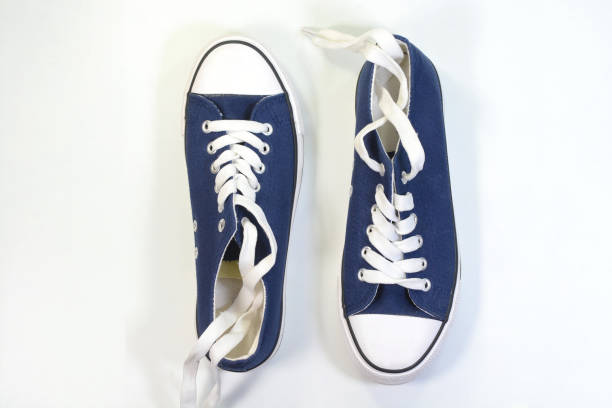
A flat sole works because it distributes pressure more uniformly than a highly arched or thickly cushioned sole. When the foot sits closer to the deck, subtle movements in the toes and heel register almost immediately. Vulcanized skate shoes are a classic expression of this idea, pairing a thin rubber outsole with a flexible upper so the shoe bends with the foot. Cupsole designs can also be flat, though they typically add more midsole foam and structure. The key is not simply thinness but consistency: a flat platform that does not rock or roll underfoot, allowing the skater to press, slide, and scoop with predictable response.
Grip is closely tied to that flat contact patch. A sole with a broad, relatively even tread pattern can sit flush against griptape, increasing friction where it matters. Overly aggressive lugs or deep channels may shed debris well, but they can also reduce the amount of rubber touching the board. Skate-specific rubber compounds are usually chosen for tackiness and durability, and many flat soles use a gum or gum-like formula that grips without feeling sticky. The best tread balances grip with the ability to pivot and slide the foot during tricks. When the sole is flat, the rider can modulate pressure more naturally, easing off for a shove-it or pressing harder for a kickflip.
Flat soles also influence flick and board control. Flip tricks depend on the shoe’s side profile and toe shape, but the sole’s flatness gives the foot a stable base from which to initiate the scoop. A flat platform prevents the foot from rocking onto an edge unintentionally, which can dull the flick or cause the board to flip off-axis. Similarly, when landing, a flat sole spreads impact across the foot rather than concentrating it on a narrow point. That does not mean flat shoes lack cushioning. Modern skate shoes often combine a flat outsole with a molded footbed or impact heel insert, preserving board feel while taking the edge off repeated landings.
Protection and board feel are always in tension. A very thin vulcanized sole offers excellent feedback but less shock absorption; a thicker cupsole may protect the heel and arch but mute the connection to the deck. The right choice depends on terrain, style, and preference. Street skaters who spend time on ledges and flatground often favor thin, flexible flat soles for precision. Transition skaters and those hitting larger gaps may prefer a flat sole with more internal cushioning and a reinforced heel. Either way, the flat profile remains central because it keeps the foot planted and stable.
Fit and footbed selection matter just as much as outsole construction. A flat sole cannot compensate for a loose heel or a cramped toe box. The foot should sit securely without pressure points, and the insole should support the arch without lifting the heel away from the board. Removable insoles let skaters tune cushioning and arch support while preserving the shoe’s flat stance. Lace protection, durable side panels, and reinforced ollie areas contribute to longevity, but none of those features replace the fundamental relationship between a flat sole and the deck.
Over time, sole wear changes board feel. Smoothed tread, compressed foam, and worn footbeds reduce grip and responsiveness. Rotating shoes, keeping soles clean, and replacing insoles can extend usable life, but a heavily worn outsole should not be trusted for serious skating. Flat-soled skate shoes are not simply a style choice; they are a functional system for reading the board, gripping griptape, and controlling pressure. Understanding how sole thickness, rubber compound, tread pattern, and footbed interact helps skaters choose footwear that matches their technique and keeps every trick feeling predictable.