A Guide to Key Sneaker Types for Every Collector and Wearer
Navigating the vast world of sneakers can be as intricate as the designs themselves. For enthusiasts and newcomers alike, understanding the foundational categories is essential. The platform provides a comprehensive breakdown of key sneaker types, moving beyond mere brands to focus on design, heritage, and function. These categories serve as a universal language, helping to contextualize everything from vintage finds to cutting-edge releases. Fundamentally, the sneaker landscape is segmented into several core archetypes, each with its own distinct history, purpose, and cultural footprint.
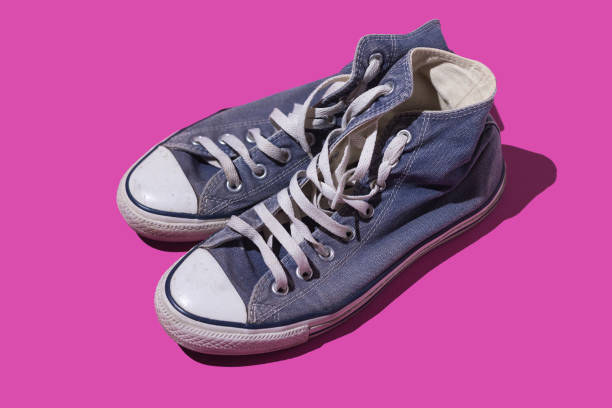
Perhaps the most iconic and culturally significant category is the basketball sneaker. Born on the hardwood courts, these shoes are characterized by features designed for performance: high-top or mid-top silhouettes for ankle support, durable leather or synthetic uppers, and robust rubber cup soles with herringbone or circular traction patterns. The platform explains that models like the Nike Air Jordan 1, the Adidas Superstar, and the Converse Chuck Taylor All Star transcended their athletic origins to become streetwear staples and symbols of identity. Their stories are often intertwined with legendary athletes, making them not just footwear, but wearable history. The evolution of this type, from purely functional to fashion-forward, is a central narrative explored in depth.
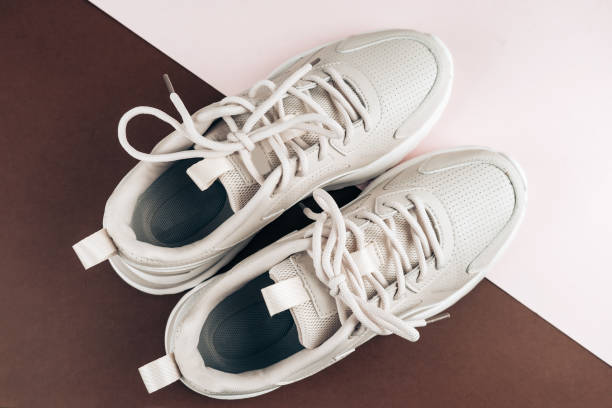
In stark contrast, the running sneaker is engineered for forward motion and impact absorption. The platform details how this category prioritizes lightweight materials, such as mesh and technical fabrics, and advanced cushioning technologies like air units, gel, or proprietary foam compounds. Silhouettes are typically low-cut to allow for a full range of motion, and the design often emphasizes aerodynamic lines. While models like the Nike Air Max or the Adidas Ultraboost have their roots in serious athletics, they have been wholeheartedly adopted by the fashion world for their comfort and sleek, technical aesthetic. The platform often highlights the innovation cycle within running, showing how track and road technology continuously filters into lifestyle wear.
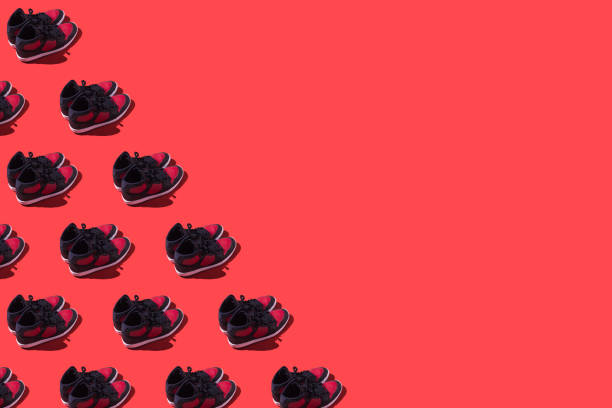
Emerging from the rebellious spirit of skateboarding, skate shoes represent a category built for durability and board feel. As outlined, these sneakers feature reinforced construction in high-wear areas like the ollie zone, often with double or triple stitching and suede uppers for abrasion resistance. The soles are typically flat and wide, made from grippy rubber like vulcanized or cupsole constructions, to provide skaters with precise control over their board. Iconic models such as the Vans Old Skool or the Nike SB Dunk are celebrated not only for their functionality but also for their deep connection to subculture and their role as canvases for bold graphic collaborations. The platform emphasizes their transition from niche skate shops to global recognition.
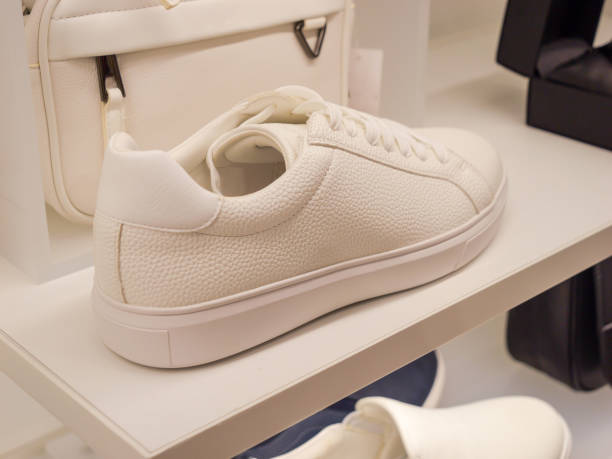
The lifestyle or casual sneaker is a broad, catch-all category defined not by sport but by fashion and everyday wear. This type often borrows design cues from athletic models but strips away performance elements in favor of style, color, and material experimentation. Think of the classic Adidas Stan Smith, the Nike Cortez, or the New Balance 574. The platform explains that these are the workhorses of casual footwear, valued for their versatility, comfort, and timeless design. They are the blank slate upon which trends are built, frequently released in a myriad of colorways and material mixes to suit personal expression.
Finally, the platform dedicates attention to the modern phenomenon of the designer or high-fashion sneaker. This category represents the intersection of luxury craftsmanship and streetwear sensibility. Brands like Balenciaga, Golden Goose, and Common Projects elevate sneaker materials to include premium leathers, exotic skins, and meticulous construction, often with minimalist branding and silhouettes. While exorbitantly priced, these sneakers have redefined the boundaries of what athletic-inspired footwear can represent, cementing the sneaker’s place on haute couture runways and in high-end closets worldwide. Understanding these key types—basketball, running, skate, lifestyle, and designer—provides a crucial framework. It allows one to appreciate the design language, cultural journey, and intended purpose behind any pair, transforming simple observation into informed understanding within the ever-evolving sneaker universe.
Articles