Air Jordan 11: Patent Leather Perfection and the Space Jam Phenomenon
The Air Jordan 11 is not just a sneaker; it is a paradigm shift frozen in time. Its entry into the Sneaker Hall of Fame is a foregone conclusion, a result of its revolutionary design, cultural earthquake, and enduring legacy. To understand the AJ11 is to understand a moment when basketball footwear shed its athletic-only skin and stepped irrevocably into the realm of high fashion and global iconography. The story is inseparable from its most legendary colorway, the “Concord,“ and its immortalization in the film Space Jam, creating a perfect storm that forever altered sneaker culture.
Before the 11, performance basketball shoes were just that—performance tools. Tinker Hatfield, facing the challenge of designing for Michael Jordan’s return from his baseball hiatus, threw out the rulebook. The inspiration was a dress shoe: a patent leather Derby. Hatfield’s vision was to create a shoe that looked refined enough to wear with a suit, yet performed at the highest level. The introduction of that glossy patent leather mudguard was a stroke of genius. It was durable, wiped clean easily, and most importantly, it added a previously unseen level of luxury and shine to the basketball court. This was a direct challenge to convention. Paired with a ballistic mesh upper for breathability and a carbon fiber spring plate for sublime stability and transition, the 11 was a technical marvel. But it was the patent leather that captured imaginations, transforming the shoe from mere equipment into an object of desire.
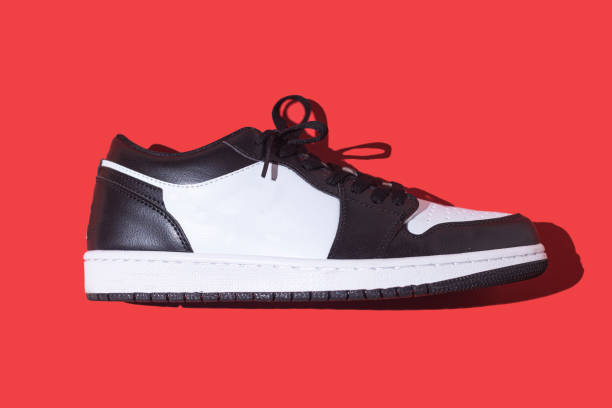
The design’s public unveiling came at the worst possible time, during the 1995 NBA playoffs against the Orlando Magic, following Jordan’s “I’m back” fax. The shoe was still in samples, and the now-iconic “Concord” colorway—with its black patent, white mesh, and vibrant purple Jumpman—was what MJ laced up. Despite the playoff loss, the sneaker won the war for cultural supremacy. Its full retail release later that year caused pandemonium, a scene that would become a recurring ritual for every subsequent 11 drop. The shoe looked like the future, and wearers felt it.
Then came Space Jam. The 1996 film was a global blockbuster, and on Jordan’s feet for nearly every frame was a previously unseen colorway: a black patent leather mudguard paired with a white mesh upper and a cool icy blue outsole. The “Space Jam” 11 was not a general release at the time; it existed almost solely on screen and on MJ’s feet. This scarcity and its direct link to Jordan’s cinematic persona mythologized the model further. The shoe became a ghost, a grail, whispered about in every sneaker forum and shop. When it finally saw a retro release years later, the frenzy was apocalyptic, proving the lasting power of that original cinematic placement. Space Jam didn’t just feature the shoe; it cemented the Air Jordan 11 as a cross-generational icon, connecting with kids who worshipped Bugs Bunny and adults who worshipped MJ.
Today, the Air Jordan 11 remains the crown jewel of the Holiday season release calendar. Its annual drop is a cultural event, a testament to its timeless design. The patent leather mudguard remains the defining feature, a bridge between the hardwood and the high street. From the elegant “Cool Grey” to the classic “Bred,“ each colorway is judged against the perfection of the original Concord and the mythical aura of the Space Jam. For collectors and everyday enthusiasts alike, the AJ11 represents a peak. It is the flawless synthesis of performance innovation, audacious design, and storytelling, forever enshrined in the Sneaker Hall of Fame not for what it was, but for what it made possible. It proved a sneaker could be everything at once.
Articles