
Sneaker Hall of Fame: Most Iconic Models
Air Jordan Retro Classics: 3, 4 and 11








Frequently asked questions
Why is the Air Max 1 considered a Hall of Fame sneaker?
The Air Max 1 is a Hall of Fame sneaker due to its paradigm-shifting impact on design and culture. It pioneered visible Air cushioning, creating an entirely new category of sneakers and influencing countless future models. Its significance transcends performance, becoming a timeless fashion staple and a canvas for collaborations. The AM1 represents a perfect fusion of technology, art, and storytelling, embodying a pivotal moment in sneaker history. Its enduring popularity across generations of collectors and enthusiasts cements its status as an undisputed icon.
What are the essential care and maintenance tips for canvas sneakers?
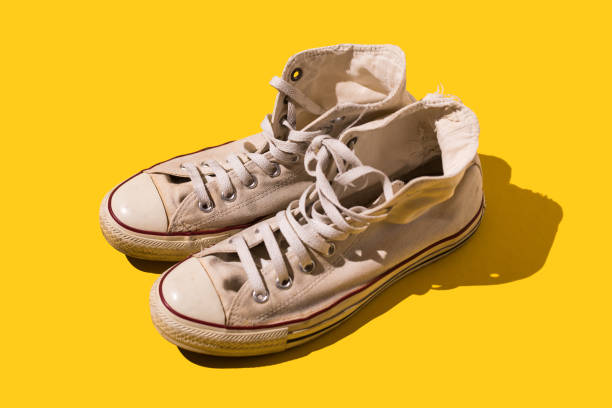
Essential care includes regular brushing to remove dry dirt, spot cleaning with a mild soap solution, and air-drying away from direct heat. For deep cleans, gentle machine washing in a pillowcase is recommended. Protecting them with a water-repellent spray and storing them in a cool, dry place will significantly extend their lifespan.
How did the Air Force 1 transform from a basketball shoe to a streetwear pillar?
Introduced in 1982 as a premium basketball shoe with innovative Nike Air cushioning, its survival after being discontinued in 1984 is key. Demand from Baltimore, New York, and other East Coast cities kept it alive, leading to iconic city-exclusive colorways. It became a cornerstone of hip-hop style in the late ’80s and ’90s, its bulky silhouette and crisp white leather symbolizing status and street credibility. The AF1’s legacy is a testament to the power of grassroots, community-driven revival over corporate marketing.
How should you style Air Max 1 sneakers?
Air Max 1s are incredibly versatile, seamlessly bridging streetwear, smart-casual, and sporty aesthetics. For a classic look, pair them with slim-fit jeans or chinos and a simple t-shirt or hoodie. Their clean lines also work with tailored trousers and an oversized blazer for a high-low mix. Embrace the 80s/90s heritage with track pants or cargo pants. The key is to let the sneakers be the statement—opt for neutral tones elsewhere to make a colorful AM1 pop, or use a bold pair to elevate an otherwise monochromatic outfit.
Why is the Nike Air Jordan 1 so historically significant?
The Air Jordan 1’s significance is multifaceted. Its 1985 release, paired with Michael Jordan’s rookie season and the NBA’s “banned” colorway story, created unparalleled marketing magic. It broke the mold with high-top styling and the bold Nike Swoosh, transitioning performance basketball shoes into must-have fashion items. This model single-handedly launched the athlete signature sneaker empire and established sneakers as a powerful form of self-expression, laying the groundwork for the entire modern sneaker-collecting culture.