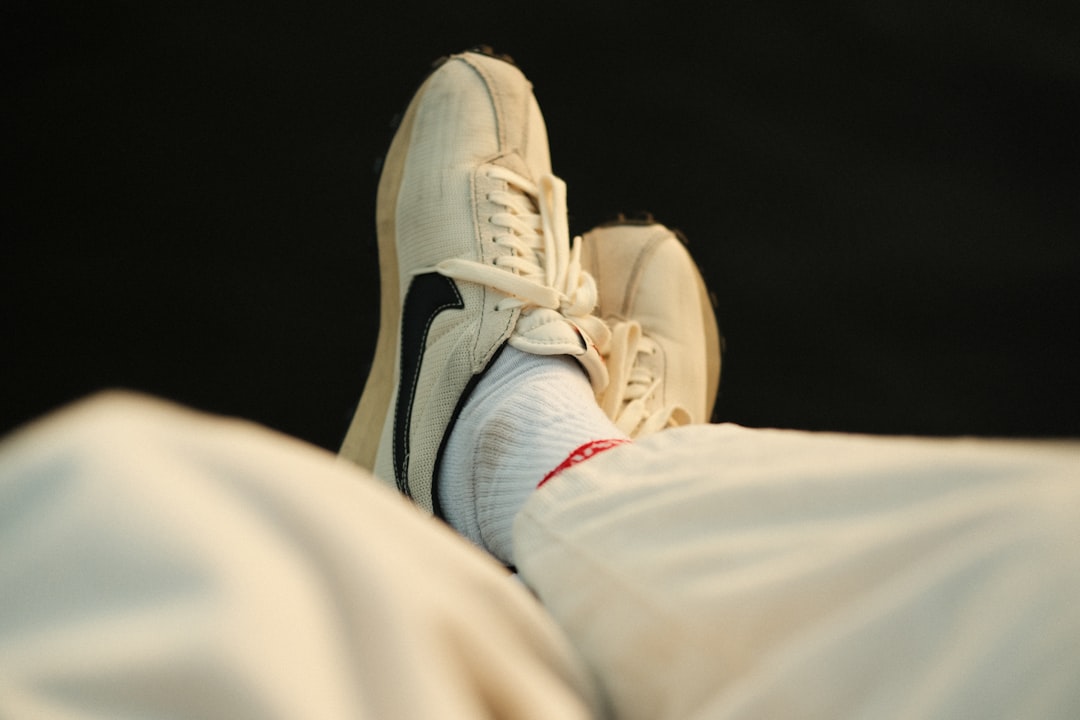
How Air Jordan 1 Collaborations Turned a Basketball Shoe Into a Cultural Canvas
The Air Jordan 1 was never meant to be quiet. Its 1985 debut carried Michael Jordan’s rookie promise, a banned-color controversy that became marketing legend, and a silhouette that refused to blend in. Decades later, that rebellious energy has made it a natural canvas for collaboration. Designers, musicians, boutiques, and artists have used the Air Jordan 1 to tell stories beyond basketball. Each partnership adds a layer while preserving the high cut, Wings logo, perforated toe box, and paneled upper that invite reinvention.
The modern collaboration era changed how sneaker fans understood the Air Jordan 1. Limited releases with fashion houses and cultural tastemakers transformed the model from a retro basketball shoe into a luxury object and collectible artifact. When high fashion met the court shoe, materials shifted from standard leather to premium suede, tumbled leather, deconstructed edges, and unexpected textiles. Color palettes moved beyond Chicago, Bred, and Royal blocking into muted earth tones, stark monochromes, and provocative contrasts. These choices did not erase the Air Jordan 1’s history; they reframed it for audiences who might never have watched Jordan play.
One reason the silhouette works so well for collaboration is its architecture. The Air Jordan 1 offers broad panels that function like blank spaces. A designer can treat the swoosh as a statement, hide it beneath overlays, expose stitching, or replace it with text and symbols. The ankle collar can be cut, padded, or left raw. The toe box can feel sleek or bulbous depending on the last and materials. This flexibility allows collaborators to impose a strong visual identity without losing the shoe’s essential DNA. The result can feel punk, luxurious, minimal, nostalgic, or futuristic while remaining unmistakably an Air Jordan 1.
Collaboration also turned the Air Jordan 1 into a storytelling device. A musician’s release might reference a hometown, album era, or personal memory through color and material. A boutique’s version might honor a city’s sneaker community with subtle details visible only up close. An artist’s interpretation might comment on consumption, craftsmanship, or nostalgia. These stories give collectors something to chase beyond aesthetics. The shoe becomes a conversation piece, a marker of taste, and a connection to the creator’s world. That narrative layer explains why some collaborations command extraordinary attention while others fade.
The secondary market and social media amplified this phenomenon. A single image of an unreleased pair can travel across platforms in hours, generating speculation about quantities, inspiration, and release details. Hype cycles can make collaboration feel like an event, but the most enduring Air Jordan 1 partnerships balance scarcity with genuine design thought. Collectors return to them because the story holds up after launch noise fades. They appreciate how a heel detail, special tongue tag, or custom box connects the shoe to a broader creative vision. The best collaborations feel like chapters in the Air Jordan 1’s biography rather than mere color swaps.
Customization culture runs parallel to official collaborations. Sneaker artists and everyday wearers have long used the Air Jordan 1 as a platform for personal expression. Painted panels, distressed finishes, swapped laces, and mixed materials let individuals create one-of-one versions that official releases cannot match. This do-it-yourself spirit keeps the model alive between launches and reinforces the idea that the Air Jordan 1 belongs to its wearers as much as its designers. A scuffed pair tells a different story than a pristine collector’s item, but both participate in the same culture of adaptation.
The Air Jordan 1’s collaborative history also reveals tensions within sneaker culture. Limited access creates desire, but it can also exclude. Resale prices and bot-driven releases can make a shoe feel less like an object of expression and more like a financial instrument. Yet the appetite for creative reinterpretation persists. Collaborators continue to approach the silhouette because it offers a recognizable stage with endless room for variation. Wearers continue to seek out those versions because they want a piece of that creative dialogue on their feet.
The Air Jordan 1 became a cultural canvas because it was already a cultural symbol. Collaboration expanded the ways that symbol can speak: basketball history, fashion, music, city identity, and personal memory. That range keeps partnerships judged by how well they add to story.