Balancing Bold Proportions: Styling Chunky and Slim Sneakers with Everyday Outfits
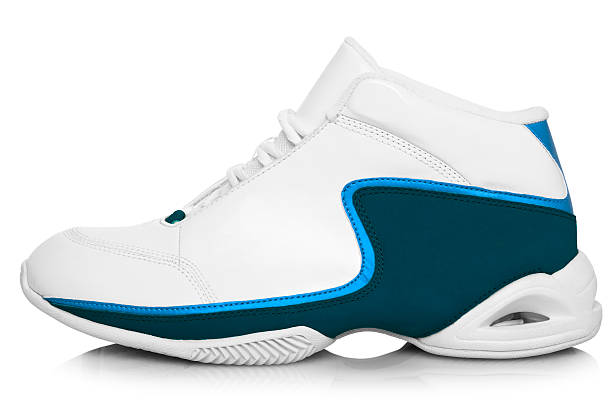
Chunky sneakers and slim sneakers represent two opposite approaches to visual weight, and the most successful outfits treat that weight as part of a larger composition. A chunky sole adds mass at the base of the body, while a slim profile keeps the foot streamlined and quiet. Neither is inherently better. The goal is balance: a silhouette that feels deliberate rather than top-heavy, bottom-heavy, or accidentally mismatched.
Visual weight begins at the feet and travels upward. A bulky sneaker needs enough clothing volume to anchor it. Wide-leg trousers, straight denim, cargo pants, and relaxed shorts often create a stable base because their hems fall around or over the shoe rather than tapering sharply above it. When a chunky sneaker meets a very skinny jean or a cropped legging, the contrast can be striking, but it can also make the foot look oversized. That effect may be exactly the point in a streetwear look, but it works best when the rest of the outfit repeats some of that boldness through an oversized jacket, a textured hoodie, or a relaxed shirt. The sneaker should feel like a decision, not an afterthought.
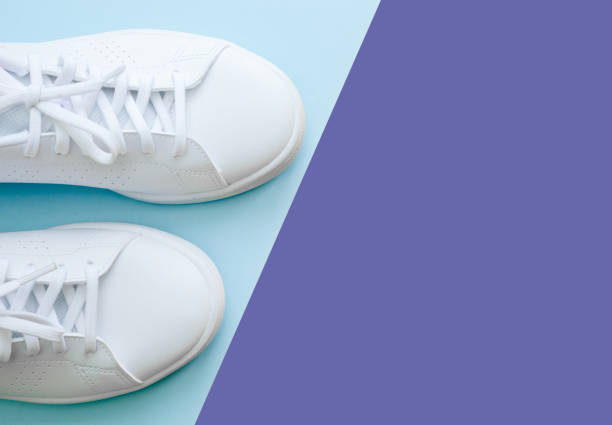
Slim sneakers call for a different kind of balance. Their low profile can disappear beneath wide, heavy clothing unless the outfit gives them a clear role. A tapered pant, a cropped hem, or a sock that bridges the ankle can keep a slim shoe from looking too small. Slim sneakers often shine with tailored shorts, straight-leg chinos, and lean denim because the clean line of the shoe echoes the clean line of the clothing. The risk is over-slimming the whole silhouette until the outfit looks constrained. A little volume elsewhere, such as a boxy overshirt or a looser top, keeps the proportion modern and comfortable.
Hem length is one of the most practical tools for balancing bold proportions. A wide-leg pant that breaks over a chunky sneaker creates a heavy, grounded line; the same pant with a slim sneaker can look airy and sharp. Cropped pants expose the ankle and make the sneaker more visible, which suits both chunky and slim styles if the sock choice is intentional. A visible sock can add continuity, especially with a low-profile shoe, while a hidden sock keeps the focus on the ankle line. The key is to decide where the eye should stop. If the sneaker is the statement, clear space around it helps. If the clothing is the statement, the shoe can support it quietly.
Color and texture also shift perceived weight. A chunky sneaker in a dark, monochrome color can feel less overwhelming than a bright, multi-panel design, while a slim sneaker in a light shade can appear slightly more substantial. Matching the sneaker to the hem of the trousers or to a detail in the upper body creates a visual thread that makes the proportion feel intentional. A tonal outfit with one contrasting shoe can also make a chunky style feel intentional, while a slim shoe in a matching tone keeps long lines uninterrupted. Texture matters too: suede, mesh, and leather panels add visual density even when the shoe is not physically large. A smooth, minimal sneaker can balance a textured outfit without competing, while a bulky, textured sneaker can hold its own against heavy denim or layered knits.
The occasion should guide the final proportion. Casual weekends allow more exaggeration: wide pants with a chunky shoe, or lean trousers with a sleek runner. Workplace-friendly looks usually benefit from restraint, such as a clean slim sneaker with straight trousers or a moderate chunky sole with a structured jacket. Travel outfits favor comfort, but proportion still matters; a bulky sneaker with a long, flowing pant can look balanced, while a slim sneaker with a tapered jogger keeps the line tidy. The best outfits are not about following a rigid formula. They are about checking the mirror for visual weight: does the shoe feel anchored, does the hem make sense, and does the outfit look purposeful from top to toe? When those questions have clear answers, chunky and slim sneakers can both become powerful tools for balancing bold proportions.