How to Style Retro Running Sneakers with Tailored Trousers for a Modern Look
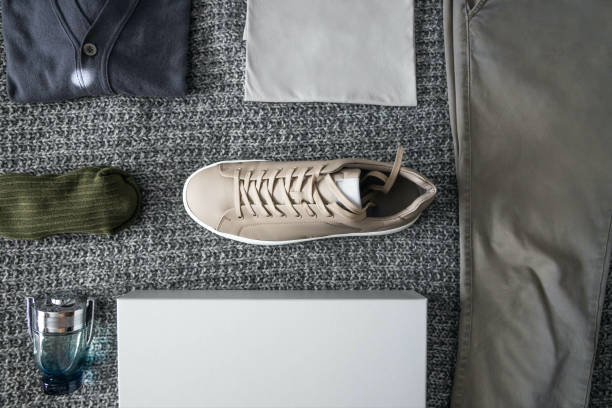
Retro running sneakers have a way of softening tailored clothing without making it feel careless. The trick is to treat them as a deliberate counterweight to structure, not as an afterthought. A vintage runner brings mesh, suede, and a low-slung profile to pressed wool or crisp cotton, and that contrast starts the modern look. The goal is balance: the sneaker should feel intentional beside the trouser, and the trouser should look chosen with the sneaker in mind. When those two pieces agree on proportion, color, and formality, the result reads as polished rather than costumey.
Proportion does most of the work. A retro runner is usually low-profile but visually busy, with panels, overlays, and a slightly chunky sole. Pairing it with a wide, pooling trouser can swamp the shoe and make the hem look sloppy. A cleaner approach is a trouser with a gentle taper or a straight leg that breaks just once above the shoe. The hem should skim the sneaker or stop slightly shorter, letting its shape and color remain visible. Cropped trousers can work well, especially with a crew sock that adds a deliberate finish. If the trouser is pleated and full, keep the sneaker sleek and low; if the sneaker is substantial, choose a trouser with enough weight to hold its line. The ankle is the hinge of the outfit, so give it room to breathe.
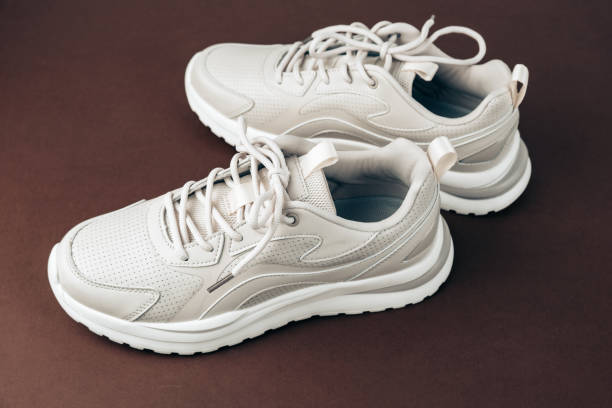
Color is the next decision. Vintage running models often carry multiple tones, from cream mesh and grey suede to navy, burgundy, ochre. The easiest way to modernize them is to echo one color in the trouser or layer above, then keep everything else quiet. A grey suede runner with a charcoal wool trouser and a white tee is simple, but it becomes sharp when a light blue shirt or a navy knit picks up a detail in the shoe. Monochrome outfits also work well because they let the sneaker act as the only textured element. Avoid matching every panel exactly; the point is harmony, not uniformity. A neutral trouser in stone, olive, navy, or black gives the sneaker room to lead, while a bolder trouser can work if the shoe is mostly tonal and the rest is restrained.
Fabric and finish matter as much as color. Tailored trousers in wool, cotton twill, or a linen blend bring a crispness that contrasts nicely with the mesh and suede of a retro runner. The sneaker’s materials are casual, so the clothing should not be too precious. A soft-shouldered blazer, an unstructured overshirt, or a fine-gauge knit keeps the outfit from looking like a suit with the wrong shoes. Denim can work, but a clean, dark straight-leg jean often feels more modern than heavily distressed denim because it lets the sneaker’s vintage details stand out. With a tailored jacket, keep the shirt simple and skip the tie; an open collar or crew neck keeps the contrast sharp.
Socks deserve a clear decision. An invisible sock creates a clean, bare-ankle line that works with cropped hems and warm weather. A visible crew sock in white, cream, or a color pulled from the sneaker adds a sportswear cue and can make the outfit feel more connected. A thin dress sock or loud pattern that competes with the shoe can make the look feel accidental. Choose one signal and repeat it: a white crew sock with a white tee, or a tonal sock with a tonal trouser. The sneaker should look like part of the outfit’s rhythm, not a separate object attached to the ankle.
Finally, let the setting guide the level of polish. A retro runner with tailored trousers can move from a creative office to a weekend gallery visit to a relaxed dinner, but it needs small adjustments. For work, choose a darker trouser, a structured coat, and a clean sneaker in a muted color. For weekends, try a lighter trouser, an oversized shirt, and a runner with more color. The common thread is restraint: one focal point, a clear hem, and fabrics that feel intentional together. Worn this way, vintage running sneakers do not undercut tailoring; they make it feel current, approachable, and shaped for the way people actually move through modern life.