Canvas, Leather, and Slip-Ons: Choosing Casual Sneakers That Last
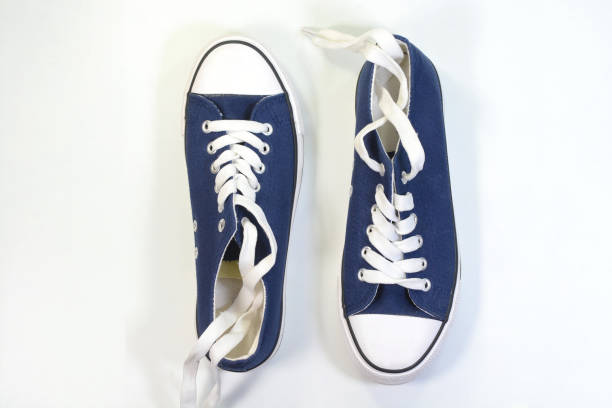
Canvas sneakers earn their place in a casual rotation through breathability, low weight, and the ability to soften around the foot without losing their easygoing character. Cotton canvas is woven rather than tanned, so it feels airy in warm weather and pairs naturally with denim, chinos, and shorts. Its weaknesses are equally clear. Canvas absorbs moisture, holds dust in its texture, and can fade or stain when exposed to rain and mud. A disciplined care routine matters more than frequent washing. Brush off dry dirt, spot-clean with a mild soap solution, and air-dry away from direct heat. Machine washing may seem convenient, but it can distort the upper, weaken adhesive, and leave stiff panels. For everyday wear, canvas rewards simple habits: rotate pairs, stuff them with paper to hold shape, and treat stains early. The material’s appeal lies in its democratic look and lived-in patina, but longevity depends on keeping moisture and grit from settling deep into the weave.
Leather sneakers answer a different set of needs. Smooth leather offers structure, resistance to light rain, and a surface that can be wiped clean after daily wear. Full-grain and top-grain uppers develop creases and a subtle patina that many wearers value, while suede brings texture but demands more caution around water and salt. Leather casual sneakers bridge relaxed and polished territory. A clean low-top in white, cream, black, or brown can move from weekend errands to informal workplaces without looking out of place. The tradeoff is maintenance. Leather benefits from occasional conditioning, brushing, and protection against prolonged dampness. Without care, it can dry, crack, or stain. With care, it molds to the foot and holds shape better than canvas. Leather also tends to be warmer, making it a strong choice for cooler months and unpredictable weather, though breathability varies with lining and construction.
Slip-ons combine the ease of laceless design with the material character of canvas or leather. Their clean silhouette suits minimalist styling, travel, and quick daily wear. Fit is the decisive factor. Because there are no laces to adjust, the upper must hold the foot securely through elastic gussets, heel padding, and a well-shaped last. A slip-on that feels loose at the heel will rub, while one that pinches across the instep will never become comfortable. Canvas slip-ons feel casual and light, especially with no-show socks or bare ankles in warm weather. Leather slip-ons look more deliberate and can pair with tailored trousers or a simple jacket. Sock choice changes the entire effect, from hidden liners to visible ribbed socks. Break-in should be gradual; short walks first will reveal pressure points before a long day exposes them.
Material choice should follow climate, routine, and maintenance willingness. Canvas suits dry, warm conditions and casual outfits, but it needs stain awareness. Leather handles broader weather and offers more structure, yet it asks for conditioning and protection. Slip-ons favor convenience, but their fit must be precise. Construction details matter as much as the upper: a cushioned insole, a flexible outsole, secure stitching, and a toe cap that resists scuffing all affect daily comfort. Vulcanized soles feel flat and flexible, while cupsole constructions add support and heft. Lining materials influence breathability, and removable insoles can extend wear for people who need extra arch support. These details determine whether a sneaker survives a commute, a weekend trip, or a long museum day.
Styling casual sneakers is less about rules and more about proportion and repetition. Canvas low-tops work with faded denim, relaxed chinos, and shorts, while leather pairs cleanly with dark jeans, knitwear, and unstructured tailoring. Slip-ons look best when the hem is intentional, whether cropped trousers, rolled denim, or shorts. Neutral colors are versatile, but a single accent pair can anchor an otherwise quiet wardrobe. Rotating shoes extends their life and reduces odor, moisture, and sole compression. Storage in a dry, ventilated space matters, as does allowing wet pairs to dry naturally. Casual sneakers also carry collector value through reissued canvas classics, premium leather builds, and slip-on collaborations. Their real appeal, however, is daily utility: they reward care, fit, and thoughtful rotation with comfort and character that grow over time.