Canvas, Leather, or Slip-On: Choosing the Right Casual Sneaker for Everyday Life

Casual sneakers have moved far beyond gym floors and weekend errands. They are now the default footwear for commutes, coffee runs, creative offices, travel days, and relaxed evenings. Within that broad category, canvas, leather, and slip-on styles each offer a distinct balance of durability, comfort, maintenance, and visual character. Understanding those differences makes it easier to build a rotation that feels intentional rather than accidental. The category is wide, but the underlying question is practical: which upper supports the way a person actually moves through the week?
Canvas sneakers remain the most familiar expression of casual footwear. Their woven upper is lightweight, breathable, and flexible, which makes them comfortable in warm weather and easy to pack. Canvas also carries a relaxed, youthful energy that pairs naturally with denim, shorts, and unstructured tailoring. The material develops a lived-in look quickly, and for many wearers that patina is part of the appeal. However, canvas is not naturally water-resistant, and light colors show dirt fast. For city wearers, a darker canvas or a coated finish can ease some of that concern. A protectant spray and a simple cleaning routine can extend lifespan, but canvas will never be as forgiving as leather in rain or slush. Its strength lies in versatility and approachability: a crisp white canvas shoe can sharpen a simple outfit, while a faded pair signals easy weekend ease.
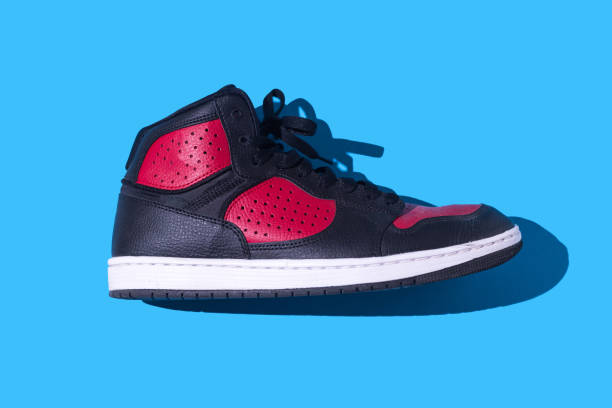
Leather sneakers occupy a more polished space. Smooth leather, pebbled grain, and suede variations can dress up casual looks without the formality of a dress shoe. Leather resists light moisture better than canvas, holds its shape, and often ages into a richer surface over time. That durability comes with weight and cost, and leather requires more deliberate care. Conditioning keeps the material supple, while brushing and occasional cleaning prevent grime from settling into pores. Suede demands even more attention because rain and salt can mark it quickly. A darker leather or treated suede also hides minor scuffs and rain spots better than pale shades. Yet leather’s payoff is structure: it can bridge the gap between relaxed and refined, making it suitable for dinners, office casual settings, and travel outfits that need to look put together with minimal effort.
Slip-on sneakers solve a different problem. They prioritize convenience without surrendering to the house-shoe look. Elastic gussets, stretch panels, and laceless constructions make them quick to put on and remove, which is useful for airport security, quick errands, and anyone who values low-friction dressing. Slip-ons often feel airy and minimal, and their streamlined profile works well with cropped trousers, joggers, and casual dresses. The tradeoff is adjustability. A slip-on must fit correctly from the start because there are no laces to fine-tune volume or width. Some designs can rub at the heel or lack midfoot security during brisk walking. Choosing a pair with a supportive footbed and a secure elastic panel makes a significant difference. For wider feet, look for a roomy toe box and a flexible opening.
The best choice depends less on trends and more on daily reality. A person who walks through unpredictable weather and wants low maintenance may gravitate toward leather, while someone in a warm climate or a creative setting may find canvas more natural. Slip-ons shine for travel, commuting, and days when speed matters. Many sneaker wardrobes work best as a small rotation: a canvas pair for dry, casual days; a leather pair for polished versatility; and a slip-on for convenience. This approach reduces premature wear because each shoe is used for the conditions it handles best. Climate, gait, and storage conditions matter as much as outfit preferences.
Fit and care deserve equal attention across all three materials. Casual sneakers should leave room at the toe, hold the heel securely, and flex without pinching. Rotating pairs allows moisture to dissipate and extends lifespan. Cleaning should match the material: canvas benefits from gentle brushing and spot treatment, leather from conditioning and avoiding excess water, and slip-ons from keeping elastic panels free of grit. Styling also follows material logic. Canvas reads relaxed and expressive, leather reads clean and adaptable, and slip-ons read minimal and modern. When those signals align with the rest of an outfit, casual sneakers stop being an afterthought and become the foundation of everyday style.