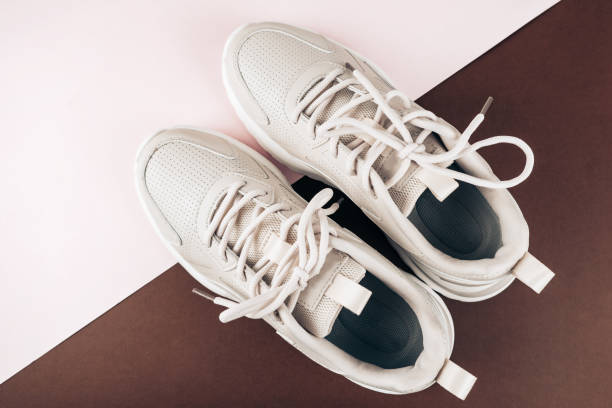
Canvas Sneakers: The Enduring Appeal of Casual Simplicity
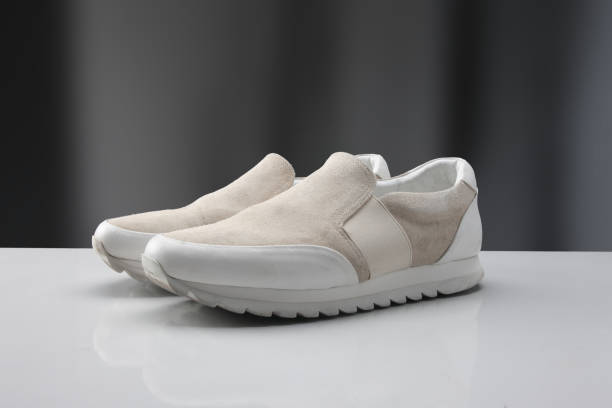
Canvas sneakers occupy a rare place in modern dress. They are not the most technical running shoes, nor the most polished leather trainers, yet they remain a default choice for millions of people. Their simple construction—a woven cotton upper stitched to a rubber sole—has changed remarkably little over the decades. That simplicity is precisely the point. Canvas sneakers offer an easy, approachable form of footwear that moves from errands to weekends, from classrooms to creative offices, without demanding attention or complicated care. They are casual by nature, but not careless. This balance helps explain why they continue to appear in wardrobes across generations and lifestyles.
The canvas sneaker grew from practical beginnings. Vulcanized rubber made durable soles possible, while cotton canvas provided a breathable, affordable upper. Early versions served tennis players, basketball players, students, and military trainees before crossing into everyday wear. Over time, the shoe shed its specialist identity and became a symbol of relaxed style. Its cultural life expanded through sport, music, skateboarding, and campus life. A plain canvas shoe could be personalized with doodles, scuffed with use, or kept crisp and clean. That flexibility allowed it to belong to almost anyone, regardless of budget or fashion expertise.
What makes canvas especially suited to casual and lifestyle wear is its texture. Leather sneakers can look sharp and structured, and slip-ons can offer effortless entry, but canvas brings a softer, more lived-in quality. The fabric breathes in warm weather, conforms gradually to the foot, and develops a record of wear. A crease or faint mark is not always a flaw; it can be part of the shoe’s character. This patina makes canvas sneakers feel personal. They are less about pristine perfection and more about comfortable repetition. The material also lends itself to color, print, embroidery, and patchwork, so a basic silhouette can become expressive without becoming formal.
Styling canvas sneakers is largely a matter of balance. A low-profile white pair works with denim, chinos, linen trousers, and casual dresses. A black or navy canvas shoe can ground brighter clothing and transition more easily into evening casual settings. High-tops add volume and work well with slim or straight-leg trousers, while low-tops keep the line clean and unobtrusive. Slip-on canvas styles are particularly useful for travel, warm weather, and days when simplicity matters most. Leather sneakers may bring polish to a smart-casual outfit, but canvas sneakers bring ease. The best looks tend to avoid overthinking the shoe: let it support the outfit rather than dominate it, and keep proportions intentional.
Canvas sneakers also reward thoughtful care. Because the upper is fabric, dust and dirt can settle into the weave. A soft brush, mild soap, and cool water can remove most surface grime, while air drying away from direct heat protects the shape and adhesion. A protective spray can help repel moisture, and rotating pairs gives each shoe time to dry and recover. Some people embrace the worn-in look; others prefer a cleaner finish. Both approaches work, but regular maintenance extends the shoe’s life and reduces the urge to replace it prematurely. In an era when durability matters, keeping a simple canvas pair in rotation is a quietly sustainable habit. Store them in a dry, ventilated place, and avoid sealing damp shoes in a bag, where odors and mildew can develop.
The casual wardrobe is often built from pieces that do not demand much but still feel considered. Canvas sneakers fit that brief. They are accessible, adaptable, and capable of moving through a day without complaint. They pair with tailored shorts and plain T-shirts, with workwear and knitwear, with slip-on ease and lace-up structure. A clean pair can even sit beside more structured leather footwear without looking out of place. Their lack of formality is not a weakness; it is a form of freedom. A leather sneaker can sharpen an outfit, and a slip-on can simplify it, but canvas remains the dependable middle ground. It absorbs the rhythms of daily life—commutes, coffee runs, weekend walks, travel—and looks better for it. That is why the canvas sneaker endures: not because it tries to be everything, but because it makes ordinary days easier to dress for.