Cross-Training Shoes: The Versatile Foundation of Every Workout

Cross-training shoes occupy a practical middle ground in the sneaker world, built for people who move through different demands in a single session. A workout might begin with a warm-up on a rowing machine, shift into strength work with dumbbells, include lateral shuffles or agility drills, and finish with a short conditioning circuit. Running shoes are tuned for repeated forward motion, while dedicated lifting shoes prioritize a stable base and minimal flex. Cross-trainers aim to support all of these activities without becoming a compromise that feels unstable under load or clumsy during quick movement. That versatility is why a well-chosen pair can become the most useful shoe in a gym bag.
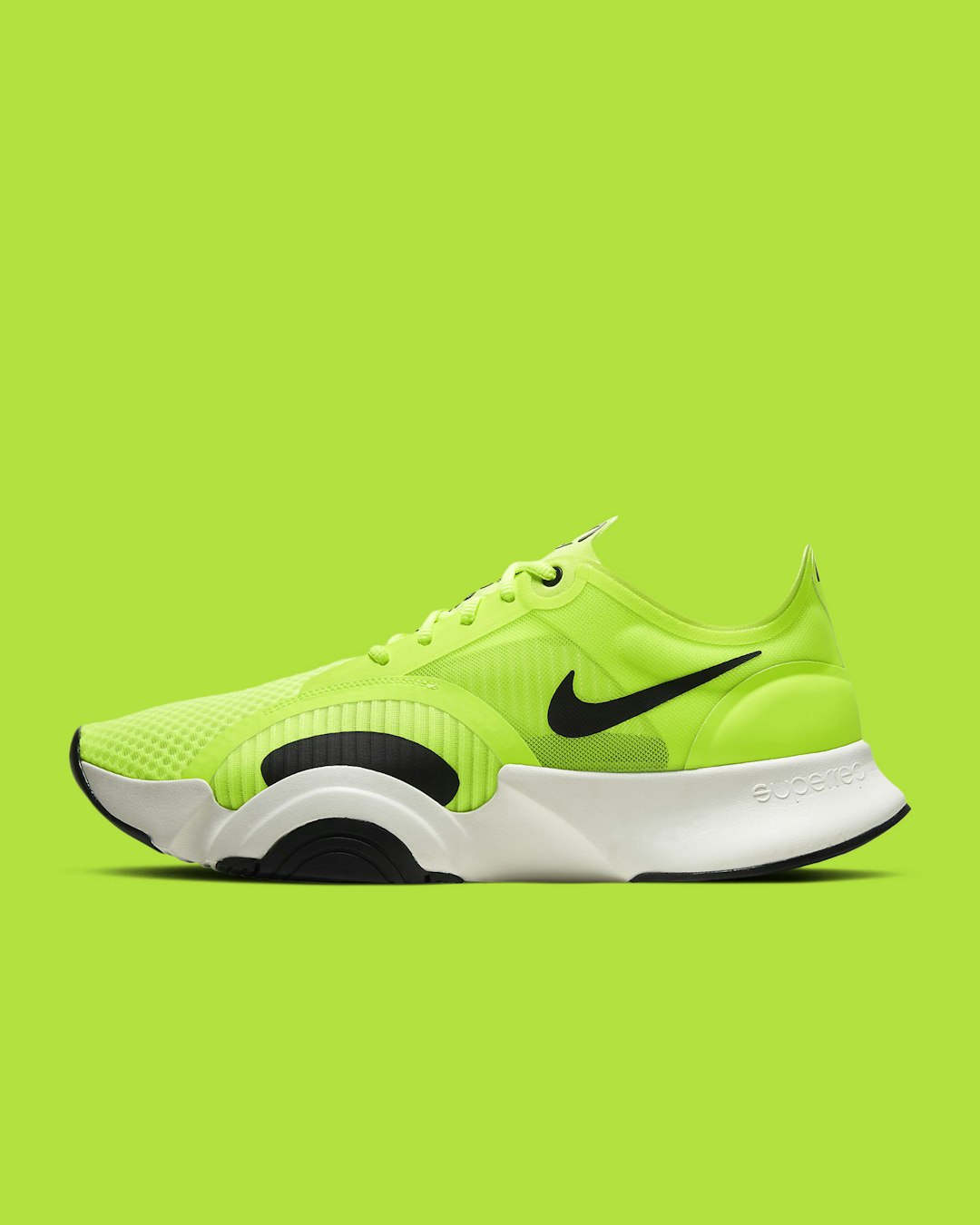
The defining feature of a cross-training shoe is balance. It needs enough cushioning to absorb impact during jumps, short runs, and high-energy intervals, but not so much softness that the foot sinks and wobbles during squats or lunges. A firmer midsole and a relatively flat platform help the wearer feel connected to the floor, which matters when balance and force transfer are part of the exercise. Some models use a slightly denser heel for lifting and a more responsive forefoot for dynamic work, while others rely on a stable foam compound that resists compression. The goal is not maximum softness or maximum rigidity, but predictable support across varied movements.
Lateral stability is another essential quality. Sports such as basketball, tennis, and group fitness demand side-to-side movement, and a shoe with a wide base, reinforced upper, and secure midfoot wrap can reduce the sensation of rolling over the foot. A stable heel counter supports the ankle during quick cuts, while a slightly firmer medial and lateral structure helps contain the foot inside the shoe. This does not need to feel restrictive. Modern cross-trainers use engineered mesh, synthetic overlays, and internal straps to create a locked-in feel without sacrificing breathability or comfort during longer sessions.
Outsole design also separates a capable trainer from a casual sneaker. Gym floors, rubberized platforms, turf, and outdoor surfaces all create different traction needs. A cross-training outsole often features a grippy rubber compound with a multidirectional tread pattern, allowing the shoe to grip during pushing, pulling, and pivoting. Some models include a pivot point under the forefoot for smooth turns, while others add more durable rubber in high-wear zones for rope climbs or sled pushes. A shoe that grips too aggressively can feel sticky on certain mats, while one that is too smooth becomes slippery during lateral work. The best choice depends on the training environment, but reliable traction is non-negotiable.
Fit and lockdown deserve careful attention because cross-training involves so many foot positions. The heel should sit securely without slipping, the midfoot should feel wrapped rather than pinched, and the toe box should allow enough room for toes to spread and stabilize during balance work. A shoe that is too long can cause the foot to slide forward during lunges, while one that is too narrow can create pressure during extended sessions. Trying shoes later in the day, wearing the same socks used for training, and testing a few quick squats, side steps, and calf raises can reveal more than standing in front of a mirror. Laces and straps should distribute pressure evenly, and the heel should remain planted when the foot moves in different directions.
Versatility also extends to how a cross-trainer fits into a broader rotation. Someone who lifts heavy barbells several times a week may prefer a dedicated lifting shoe for maximum stability, reserving cross-trainers for mixed sessions and conditioning. A runner who adds strength work might keep a low-profile trainer for gym days and separate running shoes for mileage. For general fitness enthusiasts, however, one reliable cross-trainer can cover most classes, home workouts, and moderate strength sessions. Rotating shoes allows foam to recover between sessions, reduces wear in high-stress zones, and keeps the interior fresher. Cleaning the outsole, air-drying after sweaty sessions, and avoiding excessive heat when storing shoes can extend their useful life.
Cross-training footwear is ultimately about readiness for the unexpected. The workout may change, the surface may shift, and the body may move in directions a running shoe never anticipated. A balanced cross-trainer gives the foot a stable platform, secure hold, and dependable grip without demanding a different shoe for every exercise. That practicality makes it a foundational piece of gym footwear rather than an afterthought.