Choosing Walking and Work Shoes With Extra Arch Support: A Practical Guide
Arch support is often described as if it were a single cushion tucked under the foot. In reality, it is a relationship between the foot’s natural shape, the shoe’s internal geometry, and the way load travels through the body during thousands of steps. Walkers and workers who spend long shifts on concrete, tile, or warehouse floors need more than soft foam. They need a shoe that keeps the midfoot from collapsing, distributes pressure across the sole, and remains stable when fatigue sets in. The best choice begins with the foot, not the label.
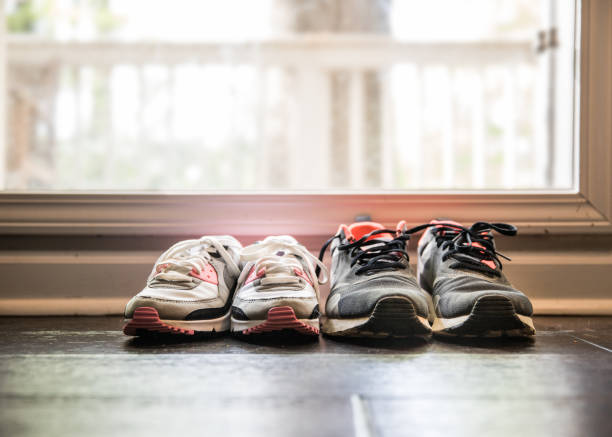
Understanding arch behavior under weight matters more than memorizing arch categories. Many people have a high arch that looks pronounced when seated but flattens when standing; others have a low arch that rolls inward during movement. A wet footprint test offers a rough clue, but it cannot show dynamic movement. Look instead at wear patterns on old shoes. Heavy wear along the outer edge may suggest underpronation and a need for shock absorption, while wear on the inner forefoot may point to overpronation and a need for firmer midfoot guidance. The goal is not to force the foot into a fixed shape but to support it through its natural range while reducing strain.
Arch support in walking and work shoes should feel noticeable without becoming intrusive. A good arch bed rises gradually under the midfoot and blends into the heel cup rather than forming a hard lump. When trying on shoes, stand and press down through the foot. The arch should meet the foot evenly, with no sharp pressure under the instep and no gap that allows the midfoot to sag. Walk on a hard surface, not only carpet. Carpet hides instability, while tile and concrete reveal whether the shoe’s midsole bends too easily or twists under load.
For work shoes, consider the demands of the job as much as the step count. Someone walking a hospital corridor needs breathability, quiet traction, and easy cleaning. A warehouse worker needs a protective toe, slip resistance, and a stable heel. A teacher or retail worker who stands for hours may benefit from a slightly rockered sole that reduces forefoot strain. Extra arch support should never compromise safety features or fit. If the shoe is too narrow through the midfoot, even a well-designed arch bed will press uncomfortably; if the heel is loose, the foot will slide and the arch support will land in the wrong place.
Cushioning and support are partners, not rivals. Soft foam can feel pleasant in the first hour and collapse by the fourth. Firmer foam under the arch and heel often provides better endurance. A pronounced heel counter can stabilize the rearfoot, while a broad forefoot platform improves balance. Removable insoles are useful because they allow custom orthotics or aftermarket arch supports, but check that the replacement does not raise the heel too much or crowd the toe box. Lacing technique also matters. A heel-lock lacing pattern can secure the foot without over-tightening the midfoot.
Footwear should be tested gradually. Wear new shoes for short errands before a full shift, and rotate them with a proven pair during the first week. Feet swell during the day, so shop or measure in the afternoon when possible. Replace worn shoes when the midsole creases deeply, the heel cup feels loose, or the upper leans inward. Arch support is most effective when the shoe fits correctly, matches the work environment, and is refreshed before its structure breaks down. With patient fitting and realistic testing, walkers and workers can find shoes that support the foot without demanding attention.