Crease Prevention and Sole Restoration: A Practical Guide to Longer-Lasting Sneakers
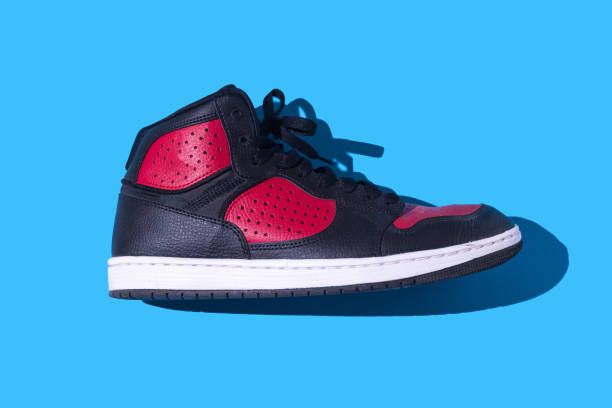
Creases in sneakers are not merely cosmetic; they are structural changes in the upper caused by repeated flexing, pressure, and moisture. The toe box bends with every step, and materials such as leather, suede, knit, and synthetic mesh respond differently. Leather tends to form soft rolls, suede can flatten or scar, and knit uppers may stretch into deep folds. Prevention begins before the first wear with fit. A shoe that is too long creates excess material that folds forward, while a shoe that is too short forces the foot into an unnatural flex point. A secure heel with about a thumb’s width at the toe is usually ideal. Lacing also matters because it controls volume and lockdown. Over-tightening can distort the upper, while loose lacing allows the foot to slide and create sharper creases. A heel-lock lacing pattern can improve stability without squeezing the toe box.
Daily habits do much of the work. Shoe trees should be inserted soon after wear, while the upper is still warm and slightly relaxed, because they fill the toe box and encourage the material to return to shape. Cedar trees are especially useful because they absorb moisture, but any well-fitted tree is better than none. Crease guards can help high-risk pairs, though they are not comfortable for everyone and should never force the foot into a cramped position. Walking style matters as well; heavy toe-off and excessive bending at the ball of the foot accelerate folding. Rotation is one of the simplest safeguards. Giving a pair a day to dry and recover reduces moisture buildup and lets the upper settle. Storage should be cool, dry, and out of direct sunlight, with shoes stuffed lightly and never stacked under heavy weight. Heat is an enemy because it can shrink, warp, or weaken adhesives, so radiators and hot cars are poor storage choices.
Sole restoration starts with accurate diagnosis. Yellowing on rubber and foam midsoles is usually oxidation caused by UV exposure, heat, and time, while brown or gray discoloration is often embedded dirt. Scuffs and abrasions are surface damage, and deep gouges may require professional repair. The first step is always dry brushing to remove loose grit, followed by a gentle wash with mild soap, lukewarm water, and a soft brush. Harsh bleach and strong solvents can dry out rubber, damage paint, and leave chalky residue. For stubborn midsole grime, a dedicated sneaker cleaner and a soft-bristled brush are safer than aggressive scrubbing. A melamine sponge can lift light scuffs, but it should be used sparingly because it is mildly abrasive.
Oxidation is harder to reverse than dirt. Oxygen-based whitening treatments designed for rubber can help, but they must be used carefully, evenly, and according to instructions. Heat and strong sunlight are not shortcuts; they can accelerate yellowing and damage the upper. After cleaning, thorough rinsing and drying in shade are essential. A UV-protective spray or a simple routine of storing shoes away from sunlight slows future discoloration. Outsole treads also deserve attention because trapped grit acts like sandpaper and reduces traction. A stiff brush and careful removal of stones and mud keep the sole functional. When restoring color, avoid painting over flexible areas unless the product is designed for footwear and applied in thin layers.
Prevention and restoration support each other. A clean, dry, properly stored sneaker resists creasing and sole degradation far better than one left damp in a closet. Conditioning leather after cleaning keeps it supple and less likely to crack along fold lines, while suede needs brushing and protection rather than heavy moisture. The goal is not to keep sneakers frozen in perfect condition but to slow wear without sacrificing comfort or function. Consistent small actions, such as using shoe trees, rotating pairs, cleaning soles before discoloration sets in, and shielding footwear from direct sun, deliver more reliable results than occasional intense rescue attempts. With thoughtful fit, structure, and regular care, creases become manageable and soles retain their visual appeal and grip for far longer.