Proportions and Negative Space: Building Streetwear Outfits Around Statement Sneakers
A great sneaker outfit is rarely about the shoe alone. It is about the space around it. In streetwear, statement kicks need room to breathe, and that room is created by hem lengths, silhouette choices, layering, and the deliberate use of negative space. When a chunky runner, high-top basketball shoe, or low-profile skate sneaker becomes the anchor of an outfit, the clothing should frame it rather than compete with it. The goal is not to match every element perfectly but to build a visual rhythm in which the sneaker feels inevitable, as though the rest of the outfit was assembled to give it a proper stage.
Hem length is the most immediate tool for directing attention toward footwear. A cropped pant that stops just above the ankle creates a clean window between fabric and shoe, especially useful with high-tops that deserve to be seen in full. A relaxed denim hem that pools slightly over a low-profile sneaker produces a different effect, softening the shoe’s shape and making the outfit feel more casual and lived-in. Wide-leg cargos or track pants can work beautifully with bulky sneakers because the volume above balances the weight below. The risk comes when both the pant and the shoe are excessively voluminous without any counterweight; in that case, the outfit can read as heavy rather than intentional. A tapered ankle, a visible sock, or a slightly shorter inseam can restore balance.
Negative space matters just as much as fabric. Streetwear often thrives on contrast between covered and uncovered areas, and the ankle is a useful zone for creating that contrast. A plain white sock can act as a visual pause between a complex sneaker and a patterned pant. A bold sock can extend the sneaker’s color story upward, while a no-show sock creates a cleaner, more streamlined line. Shorts offer the most obvious opportunity: a knee-length or slightly shorter short keeps the leg visible and lets the sneaker carry the lower half of the outfit. With longer shorts, the shoe can start to feel buried unless the silhouette is deliberately oversized or the color palette is tightly controlled.
Proportion is not only about length but also about weight. A heavy sneaker such as a trail shoe or an exaggerated dad runner pairs naturally with loose denim, boxy tees, and utility jackets. A sleek low-top, by contrast, can support slimmer trousers, cropped jackets, and more minimal layers. Mixing weights is allowed, but it should be deliberate. A delicate low-profile sneaker under extremely wide pants can look swallowed, while a massive sneaker beneath skinny jeans can make the foot feel disproportionately large. The most reliable approach is to create a triangle of visual weight: broader shoulders or an oversized top, a controlled middle, and a lower half that either balances the upper volume or narrows toward the shoe.
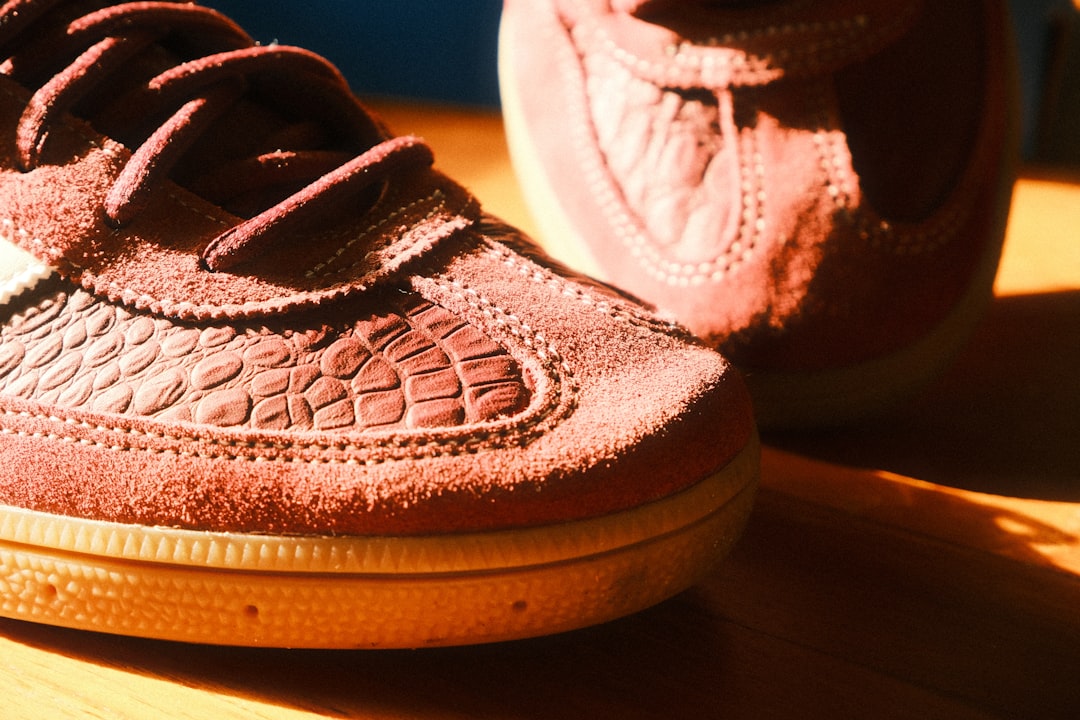
Color and texture also shape the way sneakers are read. A neutral outfit of grey, black, cream, and washed denim gives a colorful sneaker an unobstructed moment. Conversely, tonal dressing can make a monochrome sneaker feel integrated rather than isolated. Texture adds depth without adding noise: brushed flannel, nylon cargo pockets, washed cotton, ribbed socks, and suede sneaker panels can all coexist when the palette stays disciplined. The most effective streetwear outfits often repeat one or two sneaker colors somewhere above the ankle, whether through a cap, a hoodie drawstring, a jacket lining, or a sock stripe. This kind of echo creates cohesion without turning the outfit into a costume.
Layering should support the sneaker’s placement in the overall look. A cropped bomber or varsity jacket can shorten the upper body and make the legs and shoes appear longer. A long overcoat or parka can create a dramatic vertical line that makes a chunky sneaker feel grounded. A hoodie under a structured jacket adds the casual, athletic undertone that streetwear depends on, while a simple tee keeps the focus on silhouette. Accessories should be treated as punctuation rather than competition: a small crossbody bag, a beanie, or a silver chain can reinforce the outfit’s mood without pulling attention away from the kicks.
Ultimately, building outfits around sneakers is an exercise in editing. The best looks do not pile on every trend; they decide what the sneaker needs and remove what it does not. Hem length controls the frame, negative space creates clarity, proportion balances weight, and color echoes tie the story together. When those elements work in harmony, the sneaker stops looking like an afterthought and becomes the natural center of a complete streetwear statement.