Court Shoe Essentials: Matching Tennis, Pickleball, and Volleyball Sneakers to Grip, Stability, and Cushioning
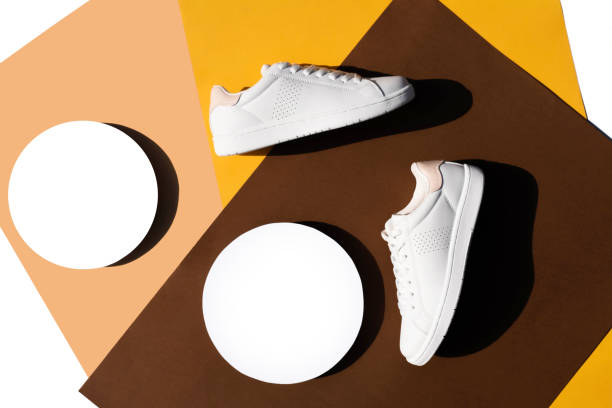
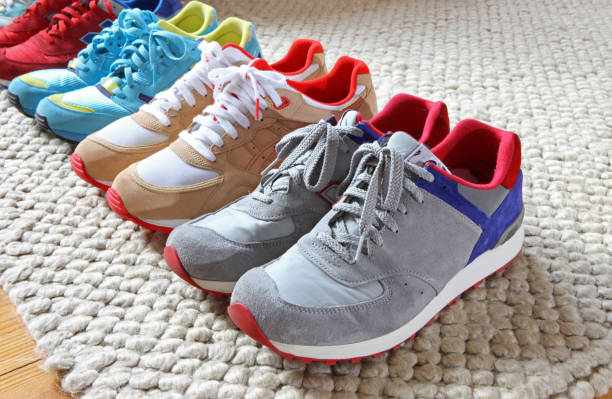
Court shoes look similar at a glance, but tennis, pickleball, and volleyball place different demands on the foot. A shoe that feels perfect for baseline sliding may feel clumsy during quick pickleball exchanges, while a volleyball shoe built for repeated jumps may wear out quickly on an outdoor tennis court. Understanding how grip, stability, cushioning, and durability interact helps players choose footwear that supports movement patterns rather than fighting them.
Tennis is the most surface-variable of the three sports. Hard courts reward a durable outsole with a tight herringbone or modified tread pattern that grips without grabbing too abruptly. Clay courts require a smoother, more open tread that lets the foot slide and releases trapped clay, while grass courts call for a flatter, lower-profile sole with selective traction. Tennis also involves repeated lateral pushes, sudden stops, and toe drag during serves and open-stance strokes. A suitable tennis shoe therefore needs a reinforced medial and lateral upper, a stable heel counter, and outsole rubber in high-wear zones. Cushioning must absorb impact without making the shoe feel mushy, because too much softness can slow the first step and reduce court feel. Weight matters, but durability and lateral containment usually matter more for players who train frequently.
Pickleball borrows movements from tennis but compresses them into a smaller court. Players shift direction constantly, lunge for dinks, and rotate quickly at the kitchen line. The best pickleball shoes prioritize low-to-the-ground stability, reliable grip, and a supportive upper that holds the foot during short, sharp cuts. Because many pickleball courts are outdoor hard surfaces, outsole durability is important, yet the shoe should not feel like a heavy tennis tank. A moderate herringbone pattern often works well, provided the rubber compound balances traction with wear resistance. Toe protection helps players who drag their trailing foot during serves or lunges. Cushioning should be responsive rather than maximal, since pickleball rewards quick reactions and balanced weight transfer more than long-distance shock absorption. A snug midfoot and a slightly wider forefoot can accommodate the lateral spread that occurs during wide dinks and defensive retrievals.
Volleyball has a different rhythm: explosive jumps, repeated landings, and rapid transitions at the net. Indoor volleyball shoes typically use gum rubber outsoles for tacky traction on smooth wooden or synthetic courts. The tread pattern is usually less aggressive than tennis herringbone because the priority is consistent grip without excessive buildup of dust or debris. Cushioning is more generous in the forefoot and heel to manage landing impact, while the midsole should remain stable enough to prevent rollover during block landings and lateral shuffles. Volleyball players also benefit from a supportive upper, a secure heel fit, and sometimes a slightly higher collar or reinforced ankle area for confidence during net play. However, extra height should not restrict the ankle’s natural mobility. Breathability matters during long matches, but ventilation panels should not compromise the structural hold needed for side-to-side movement.
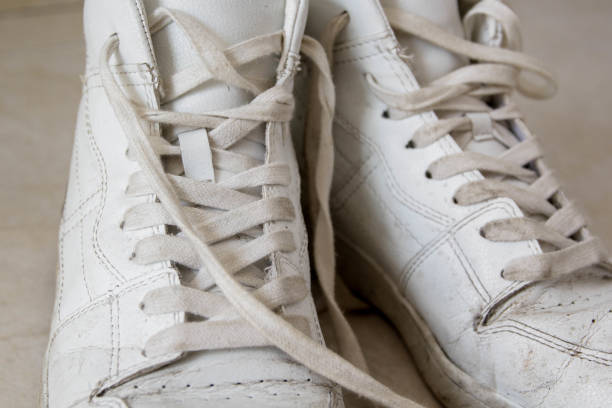
Across all three sports, fit is the foundation of performance. The heel should lock in without slipping, the midfoot should feel secure, and the forefoot should allow enough room for toes to splay during push-off and landing. Players should test shoes in the afternoon when feet are slightly larger, and they should wear the same socks they use in competition. A shoe that is too tight can cause blisters and limit circulation; one that is too loose can allow the foot to slide over the footbed, increasing instability and toe pressure. Court shoes should also match the actual playing surface. Indoor volleyball shoes used outdoors may lose tackiness and wear rapidly, while heavy outdoor tennis shoes can feel stiff and overly grippy on indoor courts.
Cushioning and stability are often presented as opposites, but the best court footwear balances them. Soft cushioning can protect joints, yet excessive stack height may reduce court feel and increase the risk of ankle rollover. Firm, responsive midsoles with targeted padding often serve court athletes better than uniformly plush designs. Similarly, traction should be predictable. A sole that grips too aggressively on a dusty court can cause the foot to stick while the body keeps moving, whereas a sole that is too slick undermines confidence and reaction speed.
Court shoes are specialized tools, not universal athletic sneakers. Tennis, pickleball, and volleyball each reward different combinations of traction, support, cushioning, and durability. Matching the shoe to the sport, surface, and player’s movement style is the most reliable way to improve comfort, reduce avoidable strain, and move with greater confidence from the first serve to the final point.