Customizing Sneakers with Lace Swaps, Paint, and Dye: A Practical Guide
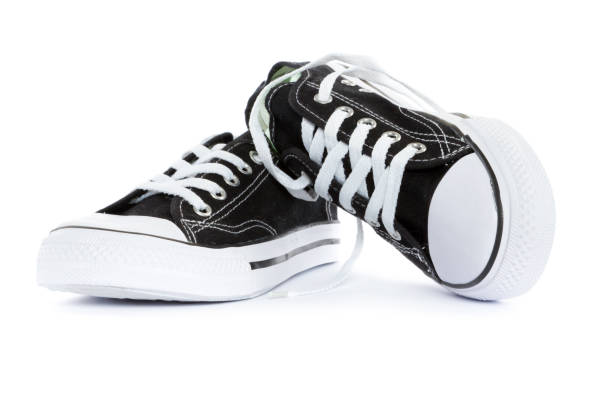
A fresh lace swap is the fastest way to change a sneaker’s personality without touching its structure. The right laces can make a quiet pair feel louder, a loud pair feel cleaner, or a worn pair feel intentional again. Start by measuring the existing laces from tip to tip, then choose a replacement with similar length and a width that fits the eyelets comfortably. Flat laces suit court silhouettes and retro runners, while rope laces add texture to chunky models and trail-inspired builds. Materials matter: cotton laces age softly, polyester holds color and resists fraying, and waxed laces bring a polished finish but can loosen more easily. Before lacing, test the color in daylight and consider contrast. A tonal swap keeps the design calm; a bright accent draws attention to the eye stay. Lace locks and alternate lacing patterns can improve fit, but they should never pinch the instep or distort the upper. If a replacement is too long, tuck or trim it after sealing the ends; if it is too short, relace with fewer crossings. Keep the original laces stored and labeled so the change remains reversible.
Paint and dye require more preparation because sneakers combine leather, mesh, rubber, foam, and synthetic textiles that accept color differently. Clean the surface first with a soft brush and mild soap, then rinse and dry fully. For leather and synthetic leather, use a preparer or light alcohol wipe to remove factory oils, then mask areas that should stay untouched. Work in a ventilated space and wear gloves, since dyes and finishers can stain skin and fumes are not a testing ground. Acrylic leather paint is the most forgiving choice for panels, midsoles, and small details. Apply thin coats with a fine brush or airbrush, letting each layer dry before adding the next. Thick coats crack, pool in seams, and look muddy. Sealing with a flexible finisher protects the paint from scuffs and light moisture, though no painted sneaker should be treated as waterproof.
Dyeing works best on porous textiles such as canvas, suede, and mesh, and it rewards patience. Synthetic uppers are difficult to dye at home because their fibers resist water-based color. For canvas, dampen the fabric evenly, apply dye in small sections, and blend edges while they are still wet to avoid streaks. Suede needs a suede-specific dye and a brush that lifts the nap; work lightly and let the material dry slowly away from direct heat. Mesh can be dyed, but masked soles and stitching may still absorb color, so test on a hidden area first. Color tests should be allowed to dry completely, because wet dye always looks darker than the finished surface. Dye tends to dry lighter, so build intensity gradually rather than aiming for the final shade in one pass. Rinse only when the product instructions allow, and condition leather or suede afterward to restore suppleness.
The best custom work respects the sneaker’s original construction. Do not paint over flex points, mesh ventilation, or soft foam that will crease immediately. Avoid soaking leather, because excess water can weaken adhesives and leave water stains. Keep dye away from glued seams unless the product is formulated for them, and tape off rubber cup soles carefully. Lace swaps are low risk, but paint and dye are cumulative, so practice on an old pair or a scrap panel before committing. Good lighting, small batches of color, and clean brushes prevent most mistakes.
After customization, maintenance becomes part of the design. Wait at least twenty-four hours before wearing painted or dyed shoes, and follow the product’s cure time before cleaning. Brush dust off textiles, wipe leather with a damp cloth, and spot-clean rather than submerging. Reapply a protective finisher when scuffs begin to show, and rotate custom pairs so they can dry completely between wears. Store them away from direct sunlight, which can fade dye and yellow clear finishes. If a lace swap feels stale, change it again; laces are the easiest layer to experiment with. Paint and dye should feel deliberate, not permanent by accident. A custom pair should still fit the foot, flex naturally, and pass the mirror test in ordinary light rather than only under studio lamps. With measured preparation and restrained layers, a personalized pair can look considered, wearable, and entirely at home in a rotation.