The Quiet Power of Minimal Leather Sneakers in Smart Casual Dressing
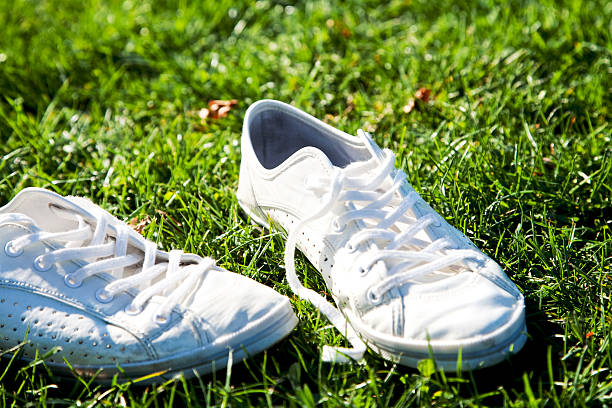
Leather sneakers have become the most useful footwear in a smart casual wardrobe because they solve a specific tension: the desire for comfort without surrendering polish. The trick is not simply wearing any sneaker with tailored clothing. A running shoe, a chunky basketball silhouette, or a neon-accented trainer will pull an outfit toward the gym or the street, no matter how sharp the blazer. A clean leather sneaker, by contrast, reads as intentional. It suggests that the wearer understands ease and restraint. The best versions are low-profile, free of oversized logos, and shaped like a simple court shoe. They look at home beneath flannel trousers, dark denim, and a soft-shouldered jacket, yet they never pretend to be a dress shoe. That distinction matters: smart casual is not formal dressing diluted; it is a separate register where relaxed pieces are balanced with structure.
The first decision is color. White or off-white leather remains the most versatile option because it lifts dark trousers and adds freshness to navy, grey, olive, and charcoal. A white sneaker can make a blazer look less corporate and a knit look more considered. Black leather is sleeker and works especially well with dark trousers, black denim, and monochrome outfits, though it can feel severe in daylight. Brown, tan, and oxblood leather bring warmth and pair naturally with earth tones, camel coats, and tweed. For a first pair, a plain white low-top with a thin sole is the safest investment. For a second, a dark brown or black option extends the wardrobe into evening-adjacent smart casual settings. Avoid metallic finishes, contrast stitching that screams for attention, and soles so thick they change the silhouette of tailored trousers.
Silhouette and proportion matter as much as color. A leather sneaker should look neat beneath a trouser hem. Straight-leg chinos, pleated trousers, and dark jeans with a clean line work best. Very skinny jeans can make the shoe look oversized, while extremely wide trousers can swallow a low-profile sneaker unless the hem is tailored. The ankle area deserves attention too. With cropped trousers, a no-show sock keeps the look streamlined; with full-length trousers, a thin sock in a color close to the trouser or shoe avoids distraction. If the trouser breaks heavily over the sneaker, the outfit can look sloppy. A slight break or a clean crop is more intentional. The goal is a continuous line from leg to foot, not a pile of fabric resting on the laces.
Fabric and texture create the smart casual balance. Leather sneakers pair beautifully with wool trousers, cotton chinos, merino knitwear, oxford shirts, and unstructured blazers. Denim can work, but it should be dark and clean, not heavily distressed. A navy blazer over a grey crewneck with charcoal trousers and white leather sneakers is a reliable formula because each piece is simple and the sneaker provides the relaxed note. A camel overcoat, cream knit, and brown leather sneaker creates warmth without formality. In summer, leather sneakers with lightweight trousers and a linen shirt feel polished but not stiff. In cooler weather, suede sneakers add texture, though they require more weather awareness. The common thread is restraint: let the leather sneaker be the casual element, not the loudest one.
Context decides whether the look succeeds. Leather sneakers are excellent for creative offices, casual Friday, gallery openings, weekend lunches, and travel days when comfort matters. They are less appropriate for conservative interviews, formal weddings, or settings where a suit is expected. Even in smart casual environments, cleanliness is part of the style. Scuffed toes, grey laces, and dirty soles undermine the polished contrast that makes the outfit work. Wipe leather after wear, condition it occasionally, replace laces when they fray, and store shoes with shape. A clean sneaker signals care; a neglected one signals indifference.
The appeal of leather sneakers in smart casual wear is finally about balance. They soften tailoring without breaking it, add youth to classic pieces without looking childish, and make daily dressing more comfortable without looking careless. Choose a minimal shape, a versatile color, and a clean silhouette, then pay attention to hem, sock, and upkeep. The result is not a compromise between formal and casual. It is a confident modern uniform that works because every element knows its role.