Deadstock Preservation: Archival Storage for Unworn Sneakers
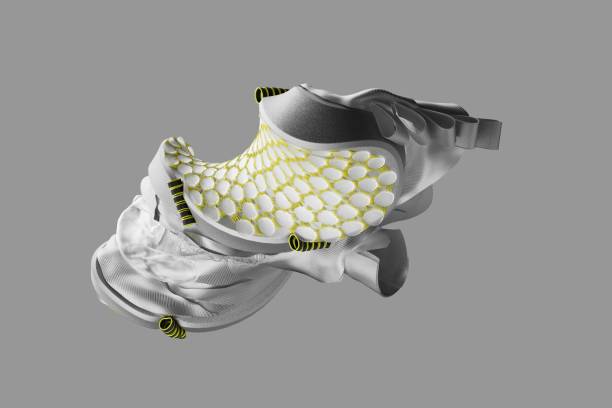
Deadstock preservation is less about hiding a pair away and more about controlling the slow forces that change materials even when no one is wearing them. An unworn sneaker still ages. Foam midsoles lose resilience, adhesives dry and migrate, leather can dry out or grow mildew, mesh collects dust, and translucent outsoles oxidize from exposure to light and oxygen. The goal of archival storage is to slow those processes without creating a sealed, stagnant environment that traps moisture or concentrates fumes. A pristine pair is not simply one that has never touched pavement; it is one whose materials have been sheltered from heat, humidity, light, pressure, and chemical contact. Preservation begins with understanding that sneakers are composite objects. They combine textiles, leather, rubber, foam, glue, and sometimes metal eyelets or printed graphics, and each material responds differently to storage conditions. The best approach is stable, moderate, and repeatable rather than extreme.
Climate control matters more than almost any specialty product. A storage area should stay cool and dry, ideally with stable temperature and relative humidity. Fluctuations are dangerous because they push moisture into and out of materials, weakening adhesives and encouraging mold. Damp basements, hot attics, garages, and closets against exterior walls are poor choices. A hygrometer is a small investment that reveals what is actually happening in a room. If humidity runs high, a dehumidifier or properly sized silica packs can help, but silica must be monitored and replaced; saturated packets can become a moisture source. Avoid placing sneakers directly on concrete, which can wick dampness into boxes. Keep storage away from radiators, heating vents, and sunny windows. Stable cool conditions are better than dramatic temperature swings, even if the average temperature is not perfect.
Light and oxygen are quiet enemies of deadstock condition. Ultraviolet light accelerates yellowing in midsoles, outsoles, and clear components, while visible light can fade dyes and weaken textiles. Store sneakers in opaque boxes or cabinets rather than open shelving. Original boxes are culturally important and can support value, but they are not always archival. Acidic cardboard, dyes, and residual manufacturing oils can stain uppers over time. For long-term preservation, use acid-free tissue paper to stuff shapes and separate surfaces, and consider an archival box or breathable cotton dust bag inside a rigid container. Plastic bags and tightly sealed bins may seem protective, but they can trap moisture and plasticizers, especially in warm rooms. Breathability with dust protection is usually safer than total encapsulation.
Pressure is another overlooked risk. Stacking boxes can crush toe boxes, deform collars, and leave creases in foam or leather. Store pairs so their shape is supported without heavy weight on the upper. Stuffing with acid-free paper or shaped shoe trees helps maintain form, but avoid rigid inserts that stretch the material. Do not hang sneakers by laces for long periods, and do not compress pairs tightly against one another. Original paper stuffing should be inspected; if it is acidic or has absorbed moisture, replace it. Laces can remain loosely tied, but metal aglets and eyelets should not press into the upper. For pairs with special packaging, keep inserts and wraps organized separately so the sneaker itself is protected from dyes and abrasion.
Handling should be deliberate. Wash hands or wear clean cotton gloves before touching unworn pairs, and work on a clean surface. Oils from skin can darken suede, attract dust, and leave fingerprints on patent leather. Inspect stored pairs periodically, but not constantly. A quarterly check allows early detection of mold, pest activity, or adhesive failure without unnecessary exposure. Look for chalky residue, warping, or odors. Never store sneakers near smoke, cooking fumes, cleaning chemicals, or pets. Odors and fine particles penetrate mesh and foam. If a pair must travel, pad it well and avoid vacuum-sealing. Preservation is ultimately a practice of restraint: reduce light, stabilize humidity, cushion pressure, and let time pass without adding new stress. In collector culture, unworn condition is both a material reality and a shared trust, because every storage choice affects the pair’s future story and value.