
Comprehensive Guide to Sneaker Types
Eco-Friendly Sneakers: Sustainable Materials and Manufacturing







Frequently asked questions
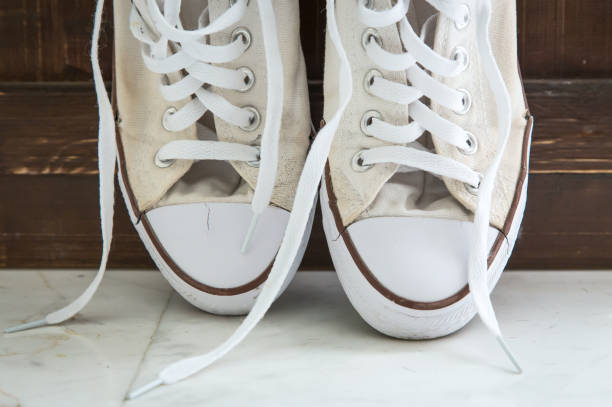
What should I do with my old, worn-out sneakers?
First, explore repair options. If beyond repair, seek out recycling programs. Many brands (Nike, Adidas, etc.) have in-store take-back schemes that grind down old sneakers for use in playground surfaces, insulation, or new shoe components. Specialized organizations like SOEX also collect them. Avoid throwing them in general trash, as they will languish in landfills for centuries. Donation is best for lightly worn pairs.
What are the main challenges in creating fully sustainable sneakers?
Key challenges include scaling up innovative material production, managing higher costs that can lead to premium pricing, ensuring durability and performance equal to conventional sneakers, and establishing effective end-of-life recycling infrastructure. Balancing complex supply chains for true transparency is also difficult. The biggest hurdle is creating a system where sustainable sneakers are the accessible norm, not a niche, high-end product.
How can I verify a brand’s sustainability claims?
Look for specific, verifiable information rather than vague “eco-friendly” marketing. Check for certifications like Bluesign (chemicals), Fair Trade (labor), Global Recycled Standard (materials), or the brand’s own detailed impact reports. Transparency about supply chains, material percentages, and factory conditions is a positive sign. Third-party audits and platforms like Good On You can provide independent assessments of a brand’s environmental and ethical practices.
Can sustainable sneakers be high-performance for sports?
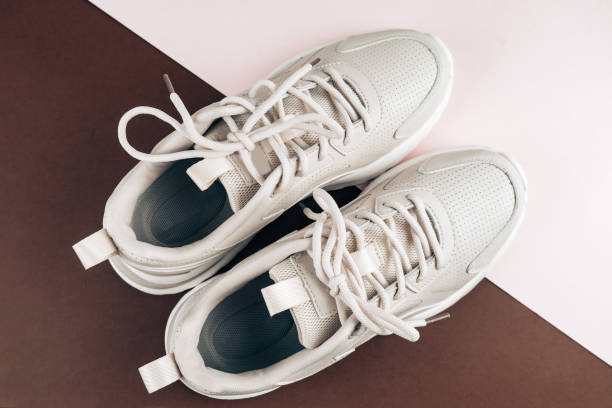
Absolutely. Brands are engineering sustainable materials to meet rigorous athletic demands. Adidas uses recycled polyester in high-performance running gear, and brands like On Running incorporate recycled materials into their CloudTec soles. The key is advanced material science that doesn’t compromise on cushioning, energy return, breathability, or durability. The gap between eco-friendly and elite performance is rapidly closing.
How does sneaker care contribute to sustainability?
Proper care extends a sneaker’s life, which is the single most sustainable practice. Regular cleaning, using shoe trees to maintain shape, and timely repairs prevent premature disposal. Using eco-friendly cleaning products minimizes chemical runoff. By maximizing the wear from each pair, you reduce demand for new production and the frequency of sending shoes to landfill, directly lowering your personal sneaker carbon footprint.