Flat Soles and Board Feel: The Science and Culture of Skateboarding Shoe Design
A flat sole is the skateboarding shoe’s most consequential interface with the board. Unlike running shoes, which prioritize cushioned heel-to-toe transitions, skate shoes are built around a different demand: the rider must sense the deck’s surface, edges, concave, and grip tape through the foot. A flat sole places the foot closer to the board and distributes contact more evenly across the sole, reducing the vague, disconnected feeling that thicker or heavily contoured midsoles can create. That directness is what skaters call board feel, and it shapes everything from ollie timing to flip-trick control. The best flat-sole designs do not merely remove height; they tune flexibility, grip, and durability so the shoe behaves like an extension of the foot rather than a platform strapped to it.
Sole construction determines how that contact translates into control. Vulcanized shoes, with their thin rubber outsoles and flexible sidewalls, are the classic expression of flat-sole skate design. The rubber wraps upward around the toe and heel, creating a low-profile package that bends with the foot and grips the board during flick motions. Cupsole shoes can also feel flat underfoot, but their molded midsoles and stitched uppers often add stiffness and protection. Neither approach is universally superior. A vulcanized sole tends to offer quicker break-in and sharper board feel, while a cupsole can provide more structure for big impacts and rough landings. The key is that the sole remains flat and predictable, allowing the rider’s weight to move naturally across the board without a raised heel or arch forcing the foot into an unnatural stance.
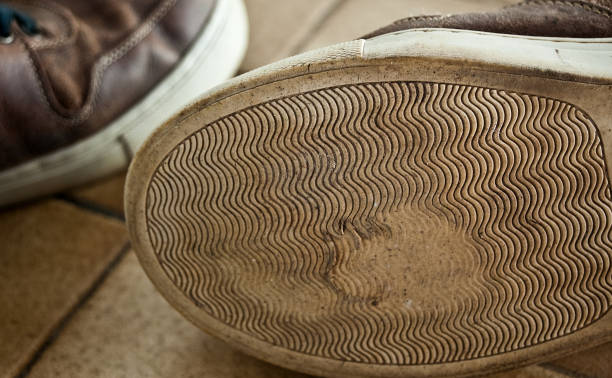
Tread pattern and rubber compound matter as much as sole thickness. Skate shoes need grip that is secure enough for planting and pushing yet predictable enough to release during flip tricks. A rubber that is too soft may cling to grip tape and make flick motions feel sticky; a compound that is too hard may slide unpredictably or wear through quickly. Herringbone, concentric, and pivot-point patterns each create different contact zones, influencing how the sole grips, pivots, and wears. Gum rubber remains popular for its balance of grip and durability, but modern compounds often blend natural and synthetic rubbers to tune rebound and abrasion resistance. The outsole is not a passive slab; it is an active partner in foot placement, board rotation, and landing stability.
The pursuit of board feel creates a tension with impact protection. A very thin flat sole can transmit every bump and edge, which is useful for control but punishing during repeated landings. Heel bruising and forefoot fatigue are real consequences of prioritizing sensitivity too heavily. Shoe designers address this through thin but resilient insoles, shock-absorbing heel inserts, and midsole foams that preserve a flat profile without turning the shoe into a cushioning platform. The goal is selective damping: enough protection to absorb hard landings, but not so much that the rider loses the pressure feedback needed to judge balance. This balance is highly personal. Street skaters who perform technical flip tricks may favor thinner soles and maximum feel, while transition skaters and larger riders often accept a slightly thicker flat sole for confidence on heavy landings.
Fit and materials also shape board feel. A flat sole only performs well when the upper holds the foot securely without pinching or excess volume. A sloppy fit allows the foot to shift inside the shoe, delaying response and reducing control. Suede, canvas, and synthetic panels each break in differently, and reinforced toe caps or stitching can alter flexibility around the forefoot. A wide or narrow toe box changes how the foot positions over the board’s edge, while lacing systems and tongue padding influence lockdown. Over time, the shoe should mold to the foot without collapsing in the heel or sagging across the midfoot. Break-in is part of the design cycle: some flat-sole shoes feel ideal almost immediately, while others need several sessions before the upper and sole begin working together.
Rider style and terrain ultimately determine what a flat sole should do. Street skating rewards quick flick, precise foot placement, and sensitivity to the board’s edge; transition skating rewards stability, impact absorption, and durability under high loads. No single flat sole satisfies every skater, which is why skate shoes vary in thickness, rubber hardness, tread layout, and upper construction. The common thread is predictability. A flat sole gives the rider a consistent surface for feeling the board, reading pressure changes, and responding without delay. That is why board feel remains a defining value in skate footwear, even as materials and cushioning technology evolve.