From Hardwood to Halfpipe: How Converse and Vans Made Canvas the Fabric of Sneaker Culture
Canvas entered sneaker history as a practical answer to a simple problem: feet needed protection that was light, breathable, affordable, and flexible. Rubber soles provided grip and weather resistance, while woven cotton canvas offered a supple upper that could be cut, stitched, dyed, and printed with relative ease. That combination might have remained purely utilitarian if two brands had not built distinct worlds around it. Converse turned the canvas court shoe into a basketball standard before watching it become a symbol of rock, punk, and everyday rebellion. Vans took the same basic formula into skateboarding and street culture, where grip, durability, and self-expression mattered more than athletic endorsement. Together, their histories show how a humble material became a cultural carrier, capable of moving from gym floors to record sleeves to skate bowls without losing its democratic appeal.
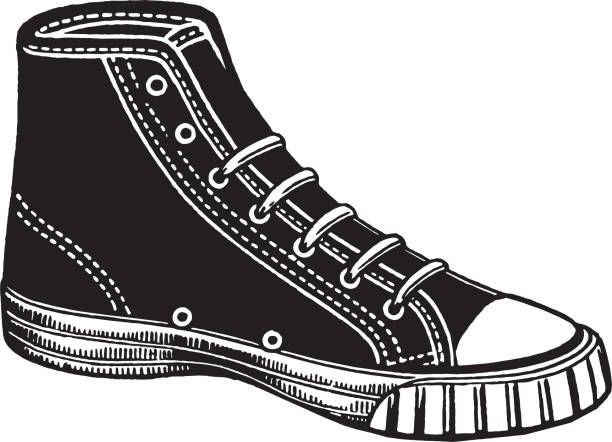
Converse’s canvas legacy began in the early twentieth century, when the company produced rubber footwear for workers and athletes. The All Star silhouette, introduced in the late 1910s, paired a high canvas upper with a rubber toe cap and a flexible vulcanized sole. Basketball player Chuck Taylor became associated with the shoe in the 1920s, and his name eventually appeared on the ankle patch, transforming a product into a trusted athletic tool. For decades, the Chuck Taylor All Star was the shoe of gymnasiums, military training, and schoolyards. Its canvas upper was simple enough to be cleaned, repaired, and personalized, yet its silhouette was distinctive enough to be recognized at a distance. When basketball moved toward leather and technical construction, Converse’s canvas shoe did not disappear; it migrated into music subcultures, where its plainness and slight wear became part of its authenticity.
Vans followed a different route. Founded in California in the mid-1960s, the Van Doren Rubber Company made sturdy canvas deck shoes with vulcanized soles and a focus on direct retail. The Authentic, originally a simple lace-up canvas shoe, appealed to surfers and early skateboarders who needed board feel and grip. Skaters soon discovered that the sole pattern and canvas upper could withstand repeated contact with grip tape, and the company responded by listening to riders rather than imposing an athletic vision from above. The Era, developed with skateboarders in the 1970s, added padding and reinforced construction while keeping the canvas character intact. The Old Skool later introduced the side stripe and mixed canvas with suede, but the essential formula remained: a flat sole, a low profile, and a upper that could absorb scuffs and stories.
The two brands evolved through different cultural channels, yet their canvas shoes share a common language of accessibility. A canvas sneaker is rarely precious. It creases, fades, and collects marks, and those marks can become a record of use. Converse’s Chuck Taylor became a canvas for band logos, hand-drawn graphics, and customized colorways, while Vans became associated with skate stickers, marker drawings, and limited prints. Both brands have collaborated with artists, musicians, and designers, but the underlying appeal is not exclusivity; it is the sense that a canvas shoe can be made personal without specialist tools. That quality helped Converse survive shifts in athletic technology and helped Vans grow from a local California maker into a global streetwear fixture.
Their design evolution also reveals how canvas legends balance memory and change. Converse has revisited the Chuck Taylor in premium materials, seasonal colors, and high-fashion collaborations, but the recognizable toe cap and ankle patch remain anchors. Vans has expanded into apparel and performance skate models, yet the Authentic, Era, and Old Skool continue to carry the brand’s history. Each release works like a variation on a familiar chord: the proportions may shift, the cushioning may improve, and the color may surprise, but the canvas upper keeps the shoe connected to its origins. This continuity matters because sneaker culture often values stories as much as specifications. The visible weave, the rubber bumper, and the faded print all signal a lineage that consumers can read instantly.
The historical evolution of Converse and Vans is therefore not simply a story of two companies competing for shelf space. It is a story about how communities reshape products. Basketball players gave Converse credibility, musicians gave it attitude, and skaters gave Vans toughness and street-level authenticity. Canvas provided the common ground: adaptable, repairable, and expressive. In an era of increasingly technical footwear, the canvas sneaker remains a reminder that cultural longevity often comes from simplicity. The shoe does not need to do everything; it needs to let the wearer do something with it. That is why the canvas legends endure, and why a strip of woven cotton and a rubber sole can still carry decades of memory, movement, and identity.