From Campus Courts to Skate Parks: The Nike Dunk’s Unlikely Domination
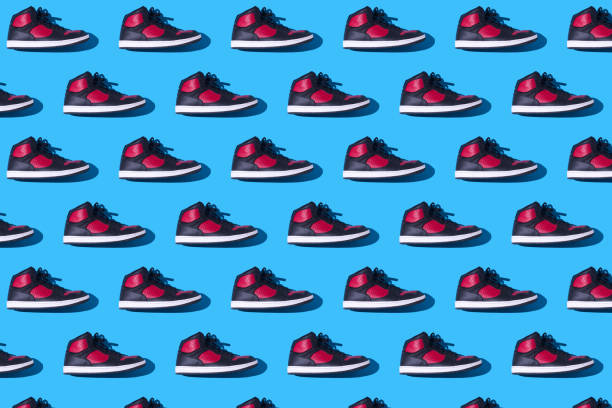
The Nike Dunk was never meant to be an icon. Its origin story is purely functional, a product born from a corporate mandate. In the mid-1980s, Nike needed a basketball shoe that could be produced in the team colors of major college programs. The Be True To Your School campaign was a marketing masterstroke, but the shoe itself was a tool. It was built for the hardwood, with a high-top design for ankle support, a simple leather upper for durability, and a herringbone outsole for traction. For years, it served this purpose admirably, then faded into the background as basketball technology raced forward. Its resurrection, however, is where legend began.
The Dunk found its second life not on polished courts, but on the gritty concrete of skate parks. In the early 1990s, skaters, perpetually in search of affordable, durable footwear with great board feel, discovered the Dunk. Its flat, grippy sole was perfect for grip tape. Its padded collar offered protection. Its simple leather panels could take a beating. Most importantly, its design was a blank canvas. The very team-color philosophy that defined its birth made it ripe for customization and identification within skate crews. This was not a corporate strategy; it was an organic adoption by a subculture that valued authenticity above all. Nike, initially oblivious, soon took notice.
This recognition sparked the pivotal SB Dunk era. In 2002, Nike formally launched the Nike SB line, retrofitting the Dunk with a fat tongue, Zoom Air cushioning, and stronger stitching. But the real genius was in the collaborations. Nike SB partnered with iconic skate shops, artists, and brands, turning the Dunk into a wearable piece of limited-edition art. Releases like the Diamond Supply Co. Tiffany, the Supreme collaborations, and the Heineken Dunk became cultural events. They weren’t just shoes; they were stories, tokens of subcultural credibility that ignited a frenzy. The Dunk transformed from athletic equipment to a coveted collectible, with lines around blocks and resale prices soaring.
The Dunk’s journey from team roster to skate staple to streetwear grail cemented its Hall of Fame status. Its power lies in its foundational simplicity. The silhouette is unmistakably clean, a perfect platform for endless colorways and materials. This versatility allowed it to seamlessly bridge disparate worlds. It is equally at home with baggy jeans at a skate park, paired with tailored trousers in a fashion capital, or worn with vintage shorts on a city street. It carries the legacy of basketball’s golden age, the rebellious spirit of 90s skate culture, and the hype-driven pulse of modern streetwear.
Today, the Dunk exists in a perpetual state of reignition. Nike continuously mines its own archive, re-releasing classic colorways, while also pushing new narratives through continued collaborations and thematic packs. It has become a universal language in sneaker culture, a common reference point for veterans and newcomers alike. Its story is a testament to the unpredictable path of iconic design. The Nike Dunk proves that a shoe’s destiny isn’t written by its creators alone. True icon status is earned when a design is adopted, adapted, and ultimately owned by the culture itself, transitioning from a prescribed purpose to an undeniable, enduring symbol. It is this relentless cultural relevance, forged on campus and perfected in the streets, that secures the Dunk’s permanent place in the sneaker pantheon.
Articles