The Vans Old Skool: Deconstructing a Sidestripe Skateboarding Icon
The Vans Old Skool is not just a sneaker; it is a foundational slab of concrete in the architecture of skate and street culture. Its story is one of accidental genius, utilitarian design, and a stubborn refusal to change that has cemented its status as a true Hall of Fame inductee. To understand the Old Skool is to understand a blueprint for timelessness, written not by marketing executives but by the scuff marks of skateboard decks and the asphalt of city streets.
Born in 1977 as the “Style #36,“ the shoe arrived at a critical juncture. Skateboarding was evolving from surf-inspired sidewalk surfing into a more aggressive, vertical discipline. The simple canvas uppers of Vans’ earlier models, like the Authentic and Era, were being shredded. The answer was not a complete overhaul but a strategic reinforcement. Vans introduced a single, revolutionary element: a leather panel over the high-wear toe and side. This wasn’t a fashion statement; it was armor. Dubbed the “jazz stripe” by designer Paul Van Doren, that now-legendary sidestripe was initially a simple doodle, a functional identifier that would become one of the most recognizable graphic motifs in footwear history. It was the first time Vans ever used leather, and it was done for one reason only: to make the shoe last longer.
This commitment to core function is the Old Skool’s bedrock. Its low-profile silhouette, made from a tough yet flexible suede and canvas combination, provided the board feel and flick essential for skaters. The padded collar offered ankle support during hard landings, and the signature waffle outsole, invented for better grip on a surfboard, proved perfect for maintaining traction on griptape. Every element served a purpose. The Old Skool was a tool, and its beauty was a direct byproduct of its utility. It gained its iconic status not through celebrity endorsements or high-fashion collaborations—though those would come much later—but through sheer, undeniable performance on the board.
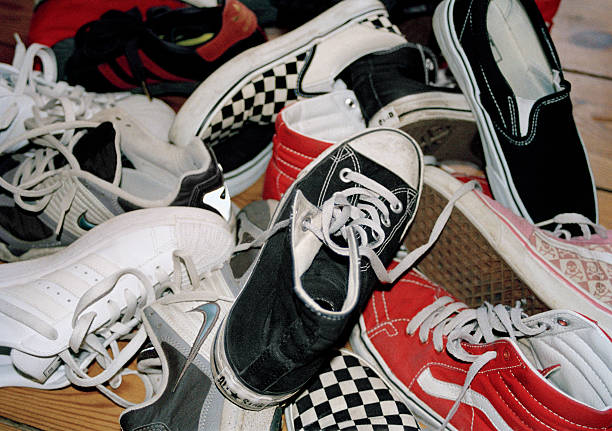
The cultural takeover was organic and absolute. As Southern California skate crews of the late ’70s and ’80s adopted the Old Skool, it became the uniform. It transcended its sporting origins to become a badge of identity for punk rockers, hip-hop artists, and rebellious youth everywhere. Its palette was simple: classic black and white, checkerboard, or solid primary colors. It asked for no attention yet commanded it all. This versatility is key to its enduring reign. The Old Skool is a chameleon, equally at home paired with baggy jeans at a skatepark, slim chinos in a casual setting, or even subverted on high-fashion runways. It is democratic, accessible, and utterly unpretentious.
Decades later, the formula remains virtually untouched. This is the ultimate testament to its Hall of Fame credentials. While other brands chase trends with relentless technological overhauls, the Old Skool stands firm. Its evolution is measured not in air units or space-age materials, but in the vast library of colorways and collaborative projects it has inspired. From Supreme to Comme des Garçons, these partnerships don’t redefine the shoe; they simply reaffirm its perfect, adaptable canvas. The Old Skool’s legacy is its resilience. It is a design so fundamentally correct that it has become a constant in a fluctuating world, a sidestripe against a tide of change. It proves that true icon status isn’t manufactured; it’s earned, one scuffed toe cap and worn-down waffle sole at a time.
Articles