Gender Fluidity in Sneaker Culture: How Unisex Silhouettes Are Redefining Style Norms
The sneaker industry has long operated under an unspoken binary, with designs marketed separately to men and women, often distinguished by color palettes, sizing, and even structural differences. Yet as fashion moves toward greater inclusivity, a powerful shift is taking place: the deliberate erosion of gendered sneaker styling. This evolution is not merely about unisex sizing or neutral colors—it represents a fundamental rethinking of how sneakers can express identity beyond traditional boundaries. By embracing gender-fluid approaches, sneakerheads are reclaiming footwear as a universal medium for self-expression, where silhouette, material, and storytelling matter more than the label on the box.
Historically, sneaker brands marketed aggressively along gender lines. Women’s models often featured pastel hues, narrower lasts, and lower price points, while men’s editions dominated hype culture with bold colorways and premium collaborations. This division created invisible walls: a man wearing a pink sneaker risked being seen as breaking a rule, while a woman in oversized, heavy-duty basketball shoes might be dismissed as borrowing from a masculine aesthetic. But the rise of streetwear and athleisure, coupled with a broader cultural conversation about gender identity, has dismantled many of these assumptions. Sneakers, once rigidly categorized, now thrive in a space where the wearer’s intention matters more than the product’s original target audience.
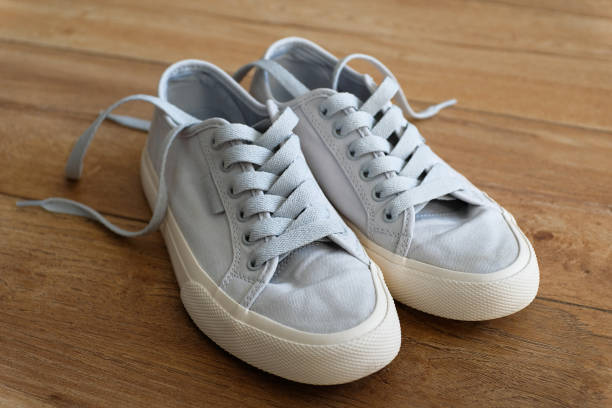
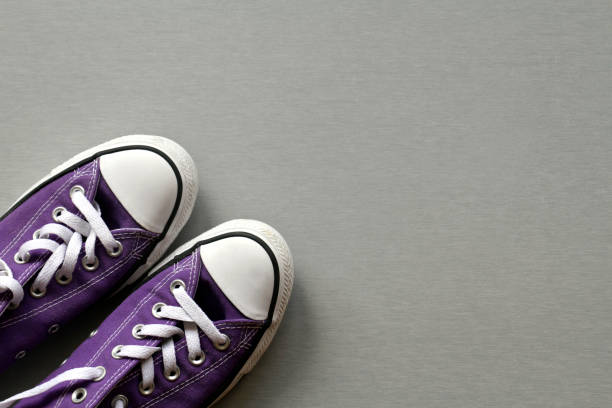
One of the most visible markers of this shift is the popularity of silhouettes that ignore gendered expectations altogether. Take the Nike Air Force 1, Adidas Superstar, or Converse Chuck Taylor—timeless designs that have always straddled the line between menswear and womenswear. Their universal appeal lies in their simplicity; they serve as blank canvases for personal style. Contemporary releases like the New Balance 990 series or Asics Gel-Kayano have followed suit, with brands like Fear of God and Acne Studios producing unisex collections that prioritize fit and texture over pink-versus-blue distinctions. This is not about erasing femininity or masculinity but about offering options that allow individuals to curate their own aesthetic.
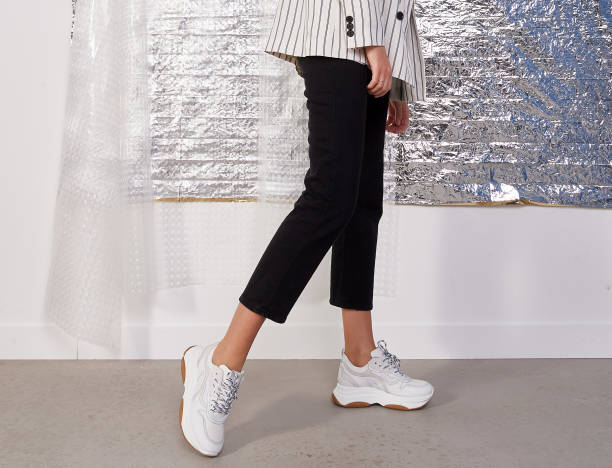
Gender-inclusive styling also challenges the notion of “appropriate” sneaker pairings. A traditionally masculine, bulky basketball sneaker like the Air Jordan 1 can be styled with a flowing skirt or tailored trousers, softening its aggressive lines. Conversely, a dainty platform sneaker or a holographic runner can anchor a sharp suit, introducing unexpected balance. The key lies in contrast and intention. When a high-heeled sneaker hybrid—once considered exclusively feminine—is worn by a male-presenting individual, it disrupts stereotypes while celebrating the object’s design innovation. This fluidity invites wearers to play with proportions, layering, and color in ways that previously felt off-limits.
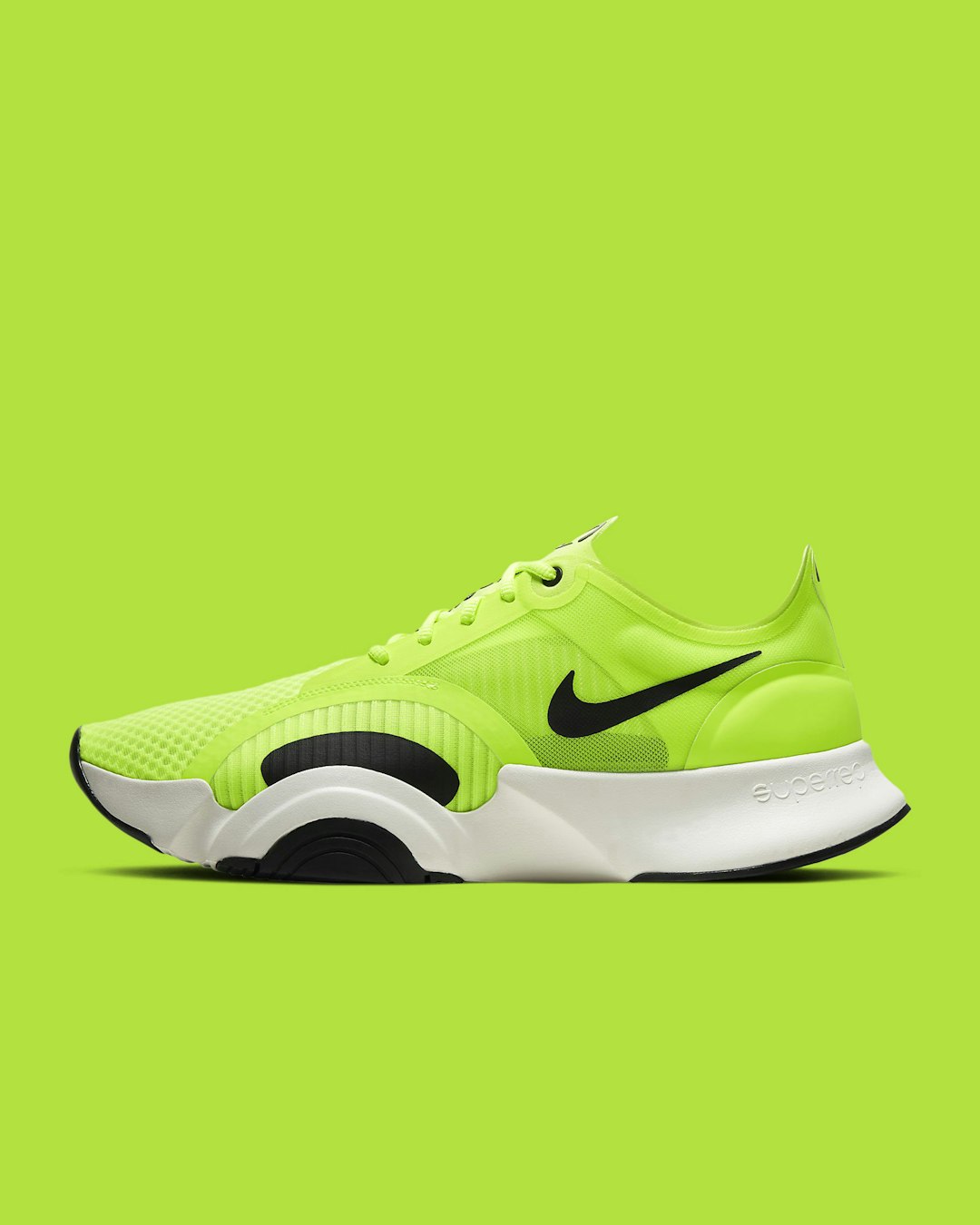
The role of color in gendered sneaker culture cannot be overstated. Pink has been historically coded as feminine, while black and navy are seen as masculine. Yet today, limited-edition drops in pastel shades sell out regardless of gender markers, and bold neon palettes appear on platforms like Instagram without gendered commentary. Brands have responded by releasing “family sizes” that span a wide range, from small to extra large, without dividing by sex. This small logistical change carries enormous symbolic weight: it signals that the product is for anyone who appreciates its design.
Accessibility remains a challenge, however. Sizing inconsistencies, a lack of representation in marketing, and lingering retail segregation still create barriers. Women with larger feet may struggle to find stylish options in extended unisex sizing, while men seeking smaller sizes often face limited availability. True gender-inclusive sneaker culture requires not just aesthetic openness but structural changes—brands producing shoes that fit all bodies without labeling them for one gender. Some independent labels, like Veja and Cariuma, have embraced unisex manufacturing, while heritage brands like Reebok and Adidas are expanding their size ranges.
The cultural impact extends beyond fashion. Sneakers have historically been tied to subcultures—skateboarding, basketball, hip-hop—each with its own gendered baggage. By breaking those boundaries, today’s sneakerheads are challenging the very idea that certain styles belong to certain people. A gender-fluid approach to sneaker styling is not about rejecting masculinity or femininity but about celebrating the freedom to mix, match, and wear what resonates. The sneaker becomes a tool for storytelling, where each step tells a story of individuality.
In practical terms, gender-inclusive styling invites experimentation. Pair oversized dad shoes with a sleek slip dress for a dissonant yet cohesive look. Wear gradient pastel runners with cargo pants and a cropped hoodie. Layer a chunky platform sneaker under wide-leg denim, letting only the toe peek out. The rules are simple: there are none. Fit matters, comfort matters, and confidence matters. The sneaker itself cares not who wears it—it only asks to be part of a narrative.
As the industry continues to evolve, the line between “men’s” and “women’s” sneakers will likely blur further. Already, collaborations with queer designers and gender-nonconforming artists are pushing boundaries. Events like Sneaker Con increasingly feature attendees of all genders swapping pairs, discussing tech, and celebrating design without prejudice. This shift is not a trend but a recognition that sneakers, like people, resist simple categorization. In breaking traditional boundaries, sneaker culture becomes more inclusive, more creative, and infinitely more interesting.
Articles