How Canvas Sneakers Became Warm Weather Staples
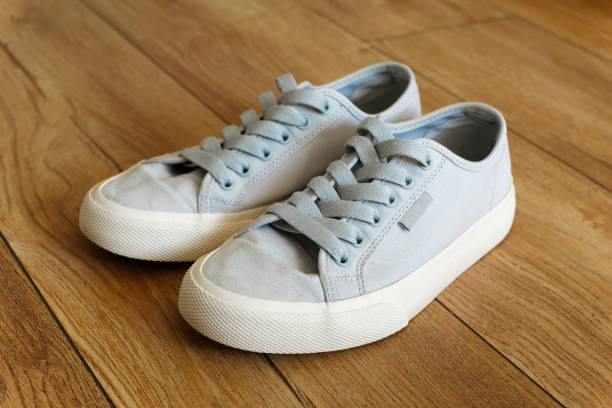
Canvas sneakers occupy a singular space in footwear culture, bridging the gap between utilitarian workwear, athletic rebellion, and effortless summer style. Their story begins not on basketball courts or running tracks, but aboard naval vessels and tennis courts, where breathable cotton duck fabric offered relief from heat and humidity long before synthetic mesh existed. The very qualities that made canvas desirable in the nineteenth century—lightweight construction, airflow, and quick drying—remain the precise reasons these shoes dominate warm weather wardrobes today. Understanding this enduring appeal requires examining the material science, historical evolution, and cultural rituals that have elevated canvas sneakers from basic footwear to seasonal icons.
The foundation of the canvas sneaker’s warmth-weather reputation lies in its woven cotton construction. Unlike leather or suede, which trap heat and resist airflow, canvas features an open, plain-weave structure that allows air to circulate freely around the foot. This breathability keeps feet cooler during long walks, outdoor festivals, or commutes in blazing sun. Moreover, cotton fibers absorb moisture and wick it away from the skin, facilitating evaporation that creates a natural cooling effect. When temperatures spike, a well-worn pair of canvas sneakers feels substantially lighter and more comfortable than nearly any other shoe category, which explains why generations of sneaker lovers reach for them from May through September. Additionally, canvas dries quickly after unexpected rain showers or beachside splashes, making it exceptionally forgiving in unpredictable summer climates. Those who prioritize foot hygiene in hot months also appreciate that canvas can be machine washed or spot cleaned without the delicate care requirements of premium leathers.
Culturally, canvas sneakers became inseparable from laid-back warm weather aesthetics through a chain of subcultural adoptions. The classic low-top tennis shoe, popularized in the early twentieth century, found its way onto elite courts but soon crossed into everyday leisure. By mid-century, canvas sneakers were the default footwear for American youth during school recess and summer camp, cementing their association with childhood freedom and heat-filled afternoons. Later, punk and skateboarding subcultures adopted rugged canvas high-tops, valuing their grip, flexibility, and durability for street-level athleticism. These movements occurred predominantly in urban summer landscapes, reinforcing the mental link between canvas shoes, bright sunlight, and energetic self-expression. Even the iconic white canvas sneaker—now a blank-canvas luxury item worn with tailored suits—derives its prestige from its history as a seasonally appropriate, unpretentious choice. Fashion cycles have consistently circled back to canvas precisely because it signals effortlessness, a quality that peaks during summer’s slower pace.
Care and maintenance further entrench canvas sneakers as warm weather favorites. Unlike leather shoes that require conditioning and weatherproofing, canvas sneakers demand only modest attention: brushing off dirt, using a baking soda paste for stains, and air drying away from direct heat. This low-maintenance profile suits vacation travel, beachside meals, and spontaneous outdoor adventures. Owners can rotate multiple pairs without worrying about extensive upkeep, and the natural wear pattern—yellowing soles, slight fraying, faded color—becomes a badge of authenticity rather than a flaw. In hot climates, many sneaker enthusiasts purposefully select canvas over heavier alternatives to avoid swampy discomfort, meaning the material essentially functions as a climate control system. The ability to toss a pair into a duffel bag without bulky shoe trees or protective sprays makes canvas sneakers the undisputed travel companions for summer trips to warm destinations.
Styling canvas sneakers for warm weather introduces nearly limitless versatility. Neutral shades like off-white, beige, and navy pair seamlessly with linen trousers, denim shorts, breezy cotton dresses, or swimwear cover-ups. Brightly colored canvas sneakers inject playful energy into monochrome summer outfits, while classic black or white silhouettes anchor bold prints and tropical patterns. The low-profile ankle cut promotes coolness and pairs well with cropped hems and bare ankles, enhancing the light, airy feel of seasonal dressing. Sneaker culture enthusiasts also appreciate limited-edition canvas collaborations that feature artistic prints, embroidered details, or recycled cotton constructions, allowing individual expression without sacrificing breathability. Because canvas sneakers flatten or softens with wear, they mold to feet over multiple summers, becoming personalized comfort objects that no rigid leather shoe can replicate. Every scuff and crease tells a story of warm evenings, city explorations, and sun-drenched memories—a narrative that digital-native sneaker communities love to share.
Sustainability trends have also renewed interest in canvas sneakers for warm weather. Cotton, while requiring significant water to grow, remains biodegradable and more easily recyclable than petroleum-based synthetics. Many brands now use organic cotton, natural rubber soles, and plant-based dyes, aligning the material with eco-conscious summer lifestyles. Choosing canvas over plastic-heavy athletic shoes reduces microplastic shedding and simplifies end-of-life disposal, an appealing proposition for environmentally minded consumers. This modern revival ensures that canvas sneakers will continue occupying their rightful place in warm weather lineups, proving that the simplest technology—woven cotton and rubber—can outperform high-tech fabrics when conditions turn hot. The breathable, adaptable, culturally rich canvas sneaker stands as a testament to the power of functional design and timeless style, making it the definitive seasonal footwear for sneaker enthusiasts everywhere.
Articles