The Art and Science of Resoling: A Deeper Connection to Your Sneakers
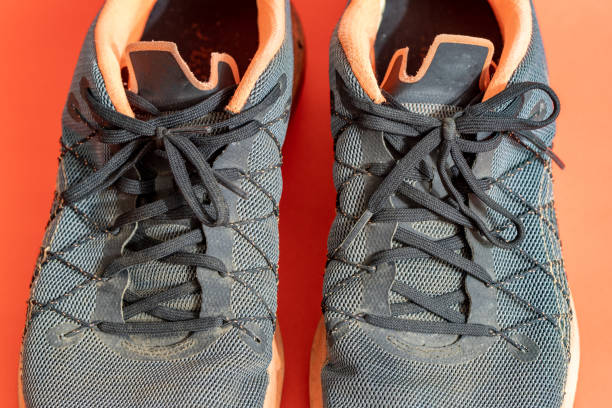
Every sneakerhead knows the pang of heartbreak that comes when the outsole of a beloved pair finally gives out. The tread that once gripped concrete with youthful aggression becomes smooth as glass. A small crack appears near the ball of the foot, then widens with each step until the midsole foam peeks through like a secret. For most, this signals the end. The shoes are relegated to the back of the closet, assigned to lawn mowing duty, or tossed into a donation bin. But for those who understand the deeper philosophy of sneaker ownership, this moment is not an ending—it is an invitation. Resoling, once a niche service reserved for high-end dress shoes and work boots, has emerged as a transformative practice within sneaker culture. It is not merely a repair; it is a ritual of restoration, a declaration that the stories embedded in those creases and scuffs are worth preserving.
The decline of a sneaker’s sole is often the first visible sign of wear, yet it rarely reflects the true condition of the upper. A well-maintained leather or mesh upper can remain structurally sound and aesthetically pleasing for years. The stitching holds. The colorway still pops. The silhouette still turns heads. To discard the entire shoe simply because the rubber beneath has worn thin is to ignore the craftsmanship that went into everything above the sole line. Resoling services allow the enthusiast to salvage that investment. By replacing only the worn outsole—and sometimes the midsole as well—a skilled cobbler can breathe new life into a pair that would otherwise be dead weight. The result is a hybrid: the familiar upper that has molded to your foot, paired with fresh, grippy rubber that feels like a new beginning.
The process itself is a delicate marriage of old-world craftsmanship and modern materials. A cobbler specializing in sneakers will first remove the degraded outsole using heat, solvents, and precision tools. The midsole, often compromised by compression and hydrolysis, may be replaced with a fresh foam layer that restores the original cushioning profile. Then comes the selection of the new outsole. Options range from authentic factory replacements sourced from the original manufacturer to aftermarket soles produced by companies like Vibram, which offer superior durability and grip. The choice depends on the intended use of the sneaker. A retro Jordan meant for display might benefit from a replica outsole that maintains historical accuracy, while a daily driver like a Nike Air Max could be upgraded with a rugged Vibram Christy sole for enhanced traction and longevity. The cobbler then bonds the new sole using industrial-grade adhesives, applies pressure, and trims the edges for a seamless integration. The finished product looks and feels factory fresh, yet it carries the soul of the original.
Beyond the tangible benefits of extended wear, resoling carries an emotional weight that resonates deeply within the collector community. Sneakers are repositories of memory. The pair you wore to your first concert, the ones that accompanied you through a breakup, the limited edition that you camped out for in the rain—these objects become artifacts of personal history. To resole them is to honor that history. It is an act of defiance against the disposable consumer culture that urges us to buy, wear, and discard in a ceaseless cycle. The sneaker industry thrives on planned obsolescence, designing shoes with weakened glue bonds and foam that compresses within a year. Resoling pushes back against that model. It demands that we value durability over novelty, and that we measure a shoe’s worth not by its retail price but by the moments it has shared with us.
Environmental considerations further strengthen the case for resoling. The global footwear industry generates an enormous carbon footprint, with millions of pairs ending up in landfills each year. Synthetic materials, rubber compounds, and foam midsoles take centuries to decompose. By choosing to resole a favorite pair instead of buying a new one, a single enthusiast can save the equivalent of several kilograms of CO2 emissions and prevent a non-biodegradable product from entering the waste stream. This small, individual action, multiplied across a community of like-minded collectors, becomes a meaningful contribution to sustainability. It transforms sneaker culture from a consumerist hobby into a movement of mindful consumption.
Of course, resoling is not without its challenges. Not every sneaker is a good candidate. The upper must be in solid condition, with no major tears or delamination. The structural integrity of the heel counter and toe box must be intact. And the cost—often ranging from sixty to one hundred fifty dollars depending on complexity—can approach or even exceed the price of a new pair. For budget-minded collectors, this may seem illogical. But the calculus changes when intrinsic value is factored in. A sneaker that originally retailed for two hundred dollars but has since appreciated to a thousand on the resale market is a prime candidate for restoration. Even for non-hyped models, the emotional value of a well-loved pair often justifies the expense. The joy of slipping your foot into a freshly resoled sneaker—feeling the familiar embrace of the upper combined with the satisfying grip of a new sole—is a pleasure that a brand-new box cannot replicate.
The rise of dedicated resoling services has also fostered a new breed of artisans who blend cobbling with sneaker expertise. These craftspeople understand the nuances of different silhouettes, from the curvature of an Air Force 1’s sole to the layered construction of a Yeezy 350. They know which adhesives work best for which materials, and how to replicate factory stitching without compromising flexibility. For the sneaker enthusiast, finding a trusted resoler is akin to finding a good mechanic for a classic car. It becomes a relationship built on trust, skill, and shared passion. And as word spreads through online forums, Instagram pages, and local meetups, the community grows stronger. Resoling becomes not just a service, but a conversation—a way to trade tips, show off restorations, and celebrate the longevity of iconic designs.
The future of resoling is bright. As sneaker culture matures, more enthusiasts are realizing that the true value of a shoe lies not in its pristine condition but in its continued presence in our lives. Brands themselves have begun to take notice. Nike’s ISPA line, for example, incorporates modular outsoles designed for easy replacement, while certain boutique labels offer lifetime repairs. The mainstreaming of resoling represents a shift toward a more thoughtful, sustainable relationship with the things we love. It tells us that a sneaker is not a disposable commodity. It is a partner, a witness, a piece of art that deserves a second life. The next time you look down at a pair with bald soles and a hesitant tread, ask yourself not whether the shoe is dead, but whether it is ready to be reborn.
Articles